4 minEconomy
Bank of England Holds Rates Steady but Warns of Higher Inflation
The Bank of England left its benchmark interest rate unchanged but cautioned that inflation could rise further, signaling that borrowing costs may stay elevated for longer.
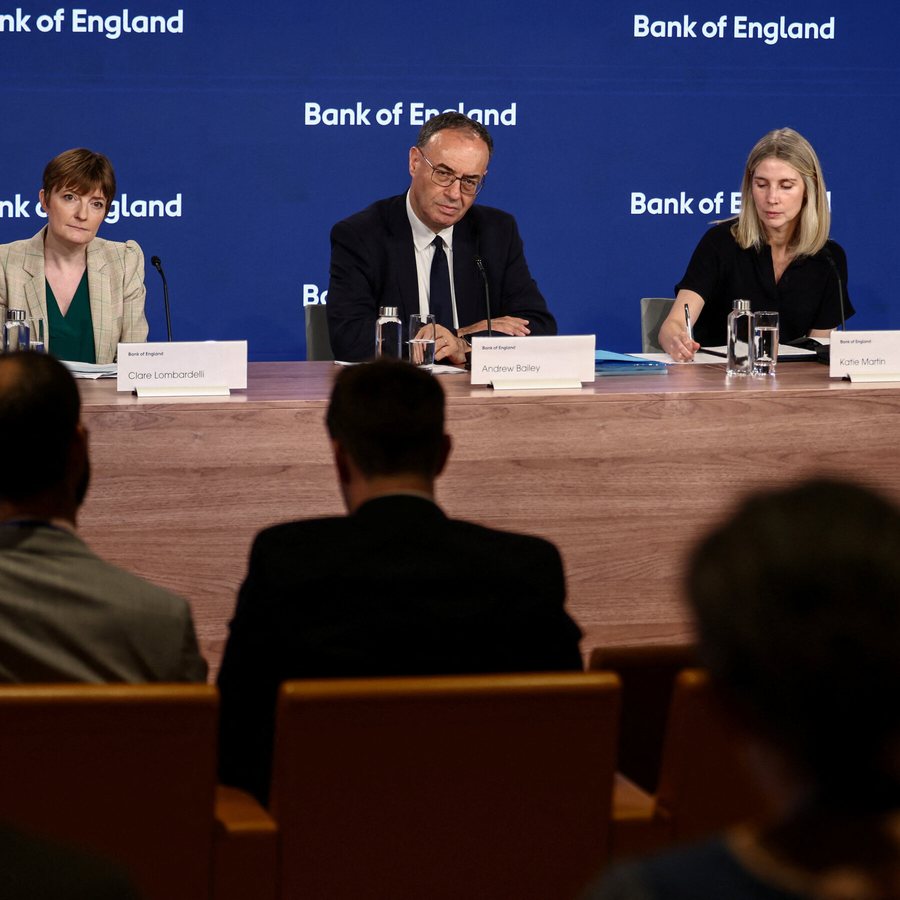
The Bank of England kept its benchmark interest rate unchanged at its latest policy meeting, but warned that inflation is likely to climb higher in the coming months, a signal that borrowing costs may remain elevated for longer than households and businesses had hoped.
The decision, announced by the central bank's Monetary Policy Committee, leaves the key rate at its current level. Governor Andrew Bailey and his colleagues on the committee have been navigating a delicate balance between taming price pressures and avoiding a sharp slowdown in economic activity.
In its statement, the Bank of England indicated that while inflation has eased from its earlier peaks, the risk of a renewed upward push remains. Policymakers pointed to persistent underlying price pressures, particularly in services and wages, as reasons for caution. The committee suggested that monetary policy will need to stay restrictive for some time to ensure inflation returns sustainably to its 2 percent target.
The warning comes as central banks around the world grapple with similar dilemmas. In Australia, the head of the central bank recently cautioned that inflation risks are materialising, underscoring a broader concern among monetary authorities that the final stretch of disinflation may prove the most difficult. The Reserve Bank of Australia has also faced questions about whether its own policy stance is sufficiently tight.
For British households and businesses, the Bank of England's stance means mortgage rates, loan repayments, and credit costs are unlikely to fall soon. The decision will be closely watched by financial markets, which have been pricing in the timing of future rate cuts. Any hint that the Bank of England is delaying easing could strengthen the pound and push government bond yields higher.
The Bank of England's cautious approach reflects the tricky trade-offs facing policymakers. On one hand, keeping rates high for too long risks choking off growth and pushing the economy into recession. On the other, cutting rates prematurely could allow inflation to become entrenched, forcing even more painful tightening later.
Recent economic data have painted a mixed picture. While headline inflation has fallen from double-digit levels, core inflation — which strips out volatile food and energy prices — has remained stubborn. Wage growth, a key driver of services inflation, has also been slower to cool than the central bank would like.
Bailey and other officials have repeatedly stressed that the fight against inflation is not over. Their latest warning reinforces that message, even as they hold rates steady for now. The committee's decision to keep rates on hold was likely a close call, with some members possibly favoring another increase to head off inflation risks.
Looking ahead, the Bank of England will continue to monitor incoming data on inflation, employment, and economic growth. Its next policy meeting will be closely scrutinized for any shift in tone or action. For now, the message is clear: rates are on hold, but the door remains open to further tightening if inflation proves persistent.
The central bank's stance also has implications for the broader economy. Higher borrowing costs can dampen consumer spending and business investment, weighing on growth. But if inflation remains above target, the Bank of England may have little choice but to keep policy tight, even at the risk of a slowdown.
As other central banks, including the Federal Reserve and the European Central Bank, weigh their own paths, the Bank of England's decision adds to a global picture of cautious, data-dependent policymaking. The shared challenge is clear: bringing inflation down without derailing the recovery.