3 minEconomy
Japan Imports Surge on Oil Prices as Exports Hold Firm
Japan's import bill climbed in August as higher oil prices drove up costs, while export volumes remained steady, adding pressure on the trade balance and household budgets.
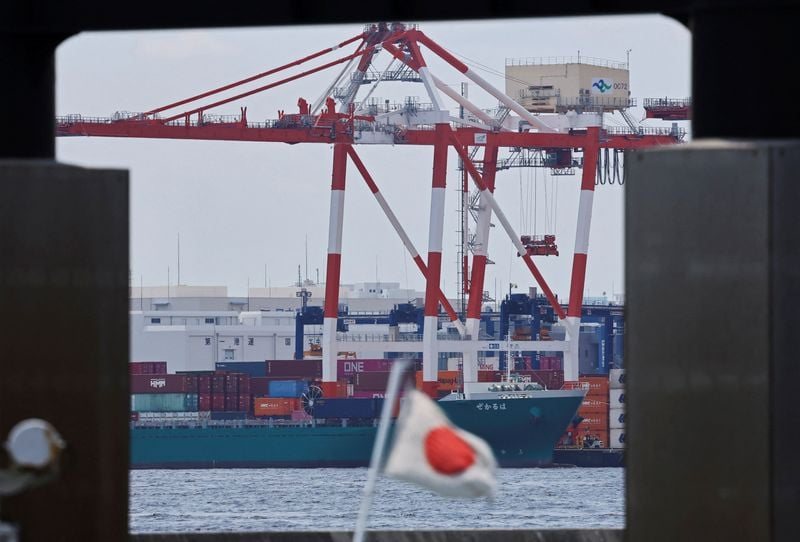
Japan's import costs rose sharply in August, lifted by higher global oil prices, even as the country's exports held firm, according to trade data that underscores the strain energy expenses are placing on the world's third-largest economy.
The increase in imports was driven primarily by the elevated price of crude oil and other energy commodities, which Japan must purchase almost entirely from abroad. Because the country relies on imports for nearly all of its oil and gas, even modest moves in global energy markets can quickly translate into a larger import bill.
Exports, meanwhile, showed resilience. The steady performance suggests that overseas demand for Japanese goods has not collapsed despite slowing growth in key markets, including China and parts of Europe. That has helped prevent an even wider trade deficit.
The combination of rising import costs and stable exports leaves Japan in a familiar but uncomfortable position. A stronger import bill weighs on the trade balance and can drag on economic growth, while also feeding into domestic inflation as higher energy costs pass through to businesses and consumers.
For households, the effect is felt most directly at the gas pump and in electricity bills. Utilities have been passing along higher fuel costs, and the government has at times intervened with subsidies to cushion the impact. The latest data adds to the case for continued support, though fiscal room is limited by Japan's heavy public debt burden.
For the Bank of Japan, the trade figures complicate an already delicate policy picture. The central bank has been gradually moving away from ultra-loose monetary settings, but rising import costs can both push inflation higher and sap consumer spending power, creating a difficult trade-off. A sustained increase in energy prices could keep inflation above target for longer, even as domestic demand remains fragile.
Economists note that Japan's trade performance is closely tied to global commodity cycles. When oil prices climb, the country's import bill expands almost automatically, regardless of how well exporters perform. That dynamic has repeatedly turned otherwise solid export months into trade deficits.
The August data also highlights the broader vulnerability of resource-poor economies to geopolitical shocks. Supply disruptions in major oil-producing regions, sanctions, and shipping bottlenecks can all drive up prices, and Japan has limited ability to insulate itself in the short term.
Looking ahead, much depends on whether oil prices stay elevated and whether export demand holds up. A further rise in energy costs would intensify pressure on the trade balance and on consumers, while a pullback in crude prices would offer some relief. For now, the picture is one of an economy managing external cost pressures while its export engine continues to run.