5 minEconomy
Analysts Warn AI-Led Stock Bubble Could Burst by 2027 as Treasury Yields Near 5%
Capital Economics forecasts the S&P 500 will end 2026 at 8,250 before plunging 21% to 6,500 by the end of 2027, citing late-stage bubble indicators. Rockefeller International's Ruchir Sharma warns a 10-year Treasury yield above 5% would signal tighter money and hit AI mega-projects. Even longtime bull Ed Yardeni has trimmed his optimistic scenario.
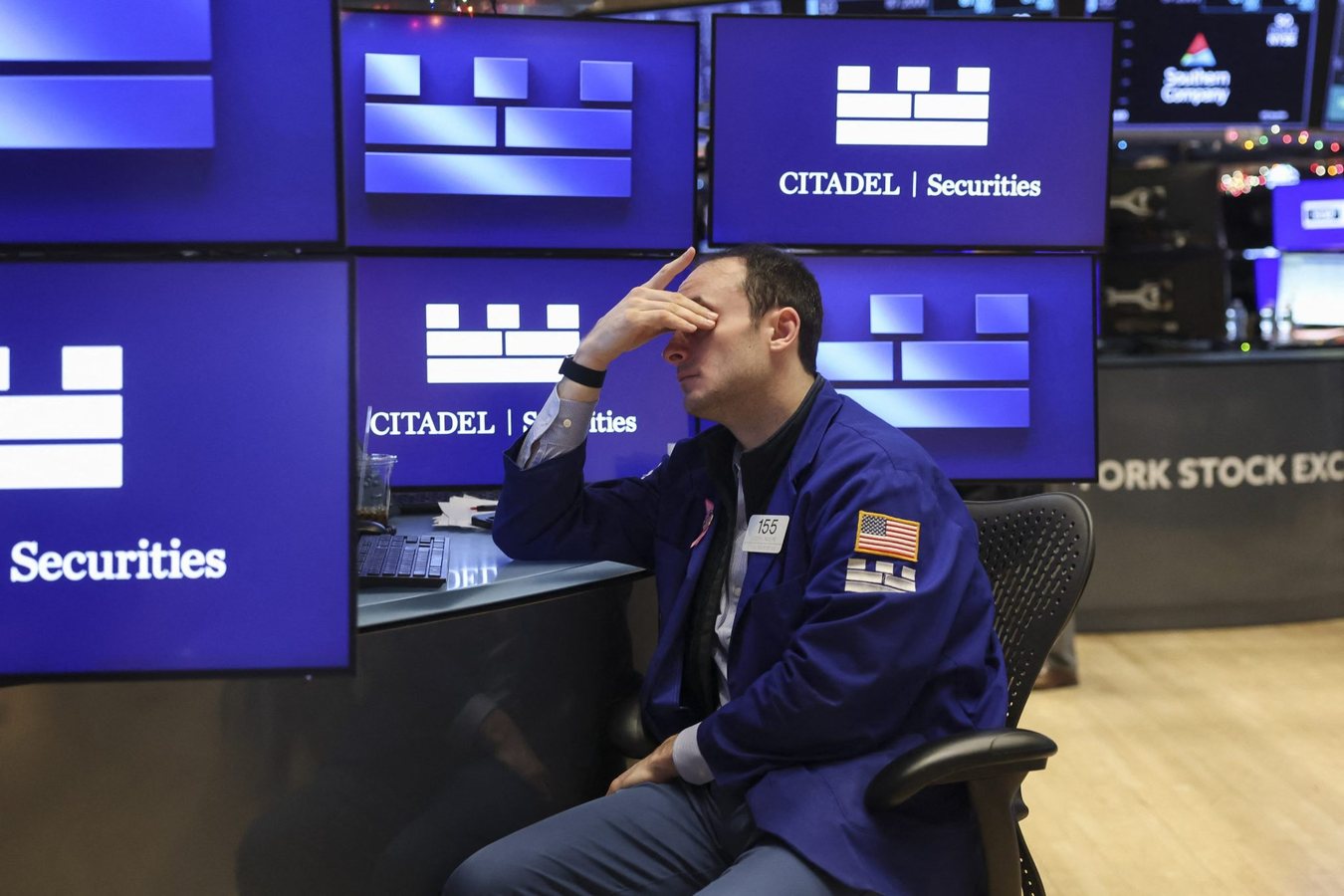
Investors may have a few more months of gains before the AI-driven stock market boom turns into a bust, according to analysts at Capital Economics. The research firm reiterated its forecast for the S&P 500 to end this year at 8,250, up 7.7% from Friday's close, before plunging 21% to 6,500 by the end of 2027.
James Reilly, senior markets economist at Capital Economics, wrote in a note Thursday that the data look consistent with a late-stage bubble. Most of the factors the firm tracks are at or close to levels that have preceded past stock market peaks, he said.
Reilly pointed to several indicators. Stock valuations are consistent with a late-stage bubble, with the market's cyclically adjusted price-to-earnings ratio close to its dotcom peak and the S&P 500's valuation relative to Treasury bonds also near dotcom extremes. Expected earnings growth looks unsustainable, as forward 12-month earnings-per-share growth for the S&P 500 is in line with the peak of the dotcom bubble.
The sustainability of AI investment is also in doubt amid massive spending and shrinking free cash flow. The combined free cash flow for the top AI hyperscalers is expected to turn negative in 2027. Market-cap concentration in fewer stocks is at extreme levels, a narrowness often associated with unsustainable rallies. Equity issuance is booming, and given the pipeline of initial public offerings and follow-on offerings, another gusher of stocks is on the way. In the past, such activity has signaled a bubble's end was just months away, not years.
Reilly did not mention the recent surge in Treasury yields, with the 10-year rate hitting 4.97% on Friday. But for Rockefeller International Chairman Ruchir Sharma, it is another major bubble-busting indicator to watch. In a recent Financial Times op-ed, he warned the AI bubble could pop when the 10-year yield decisively breaches 5%, which has been the upper end of its range since the dotcom era.
That breach would signal the start of a new era of tighter money, in which AI mega-projects will be harder to fund, Sharma added. Borrowing costs that high would hit the AI boom in several ways. Hyperscalers will likely issue fewer bonds to finance their spending, and they will have more trouble issuing new equity, as yields above 5% have historically been a headwind for stocks.
In addition, yields topping 5% would start to approach nominal GDP growth, making the national debt even more unsustainable, Sharma pointed out. While others on Wall Street have said yields are merely normalizing after years of being suppressed by central bank policies, Sharma noted the U.S. is much more addicted to debt now, with the burden exceeding 100% of GDP.
As a result, debt-servicing costs are much higher now, he wrote. Rising public borrowing costs will squeeze other borrowers sooner and hit the bubbly AI markets harder.
Even staunch bulls are getting more anxious. Wall Street veteran Ed Yardeni lowered the odds of his Roaring 2020s stock market scenario for the rest of the decade from 80% to 70% and raised the odds of a bearish outcome from 20% to 30%. In a note Saturday, he said recent developments in the oil and bond markets are unnerving.
The warnings come as the S&P 500 remains near record highs, powered by enthusiasm for artificial intelligence. Capital Economics expects that enthusiasm to carry the index higher through the end of 2026 before the bubble deflates. The firm's forecast implies a sharp reversal for investors who have grown accustomed to steady gains.
For now, the analysts suggest investors enjoy the final months of the year while they can. But the combination of stretched valuations, unsustainable earnings expectations, negative free cash flow at major AI hyperscalers, extreme market concentration, and a wave of new equity issuance has historically pointed to a peak. If Treasury yields break above 5%, the pressure could intensify, making it harder to finance the AI buildout and raising the cost of servicing a national debt that now exceeds the size of the economy.