3 minEconomy
Diesel Prices Surge 60% Since Iran War, Squeezing U.S. Farmers at Harvest
U.S. diesel prices have climbed to a record average of $6.05 a gallon, up 60% from pre-war levels, as farmers face higher costs for fuel, fertilizer, and chemicals during the critical harvest season.
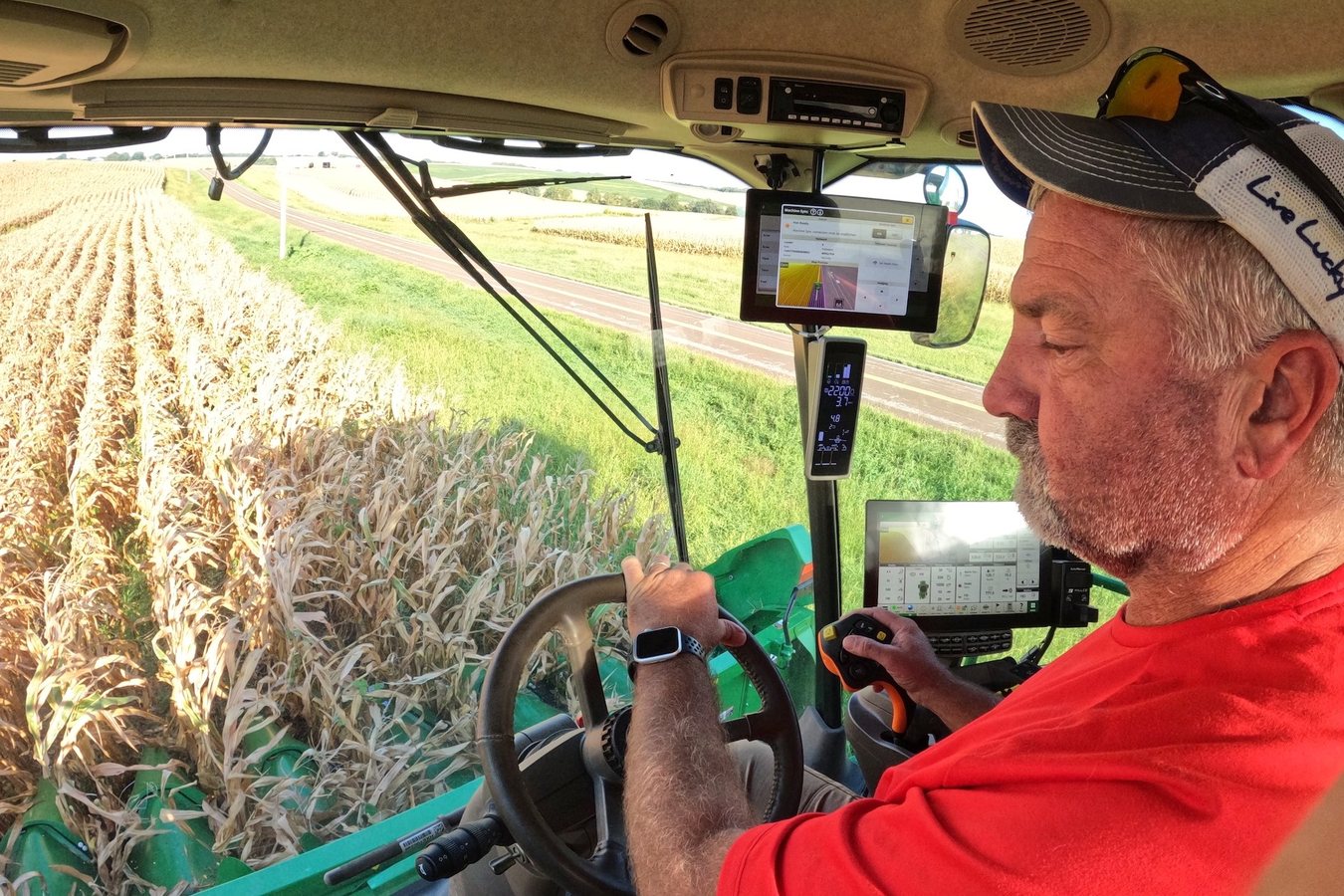
Diesel prices in the United States have surged to record levels, dealing a fresh financial blow to farmers who rely on the fuel to power combines, tractors, and trucks during the fall harvest of soybeans and corn. The national average price for diesel reached $6.05 a gallon on Friday, according to AAA, after hitting a record $5.85 a gallon on Sept. 4. That is roughly 60% higher than the average of about $3.76 a gallon before the U.S. and Israel launched their war against Iran in late February.
The spike stems from disruptions to global fuel flows caused by the six-month conflict, which has disrupted tanker traffic in the Strait of Hormuz and driven up the cost of crude oil, the primary ingredient in diesel and gasoline. For farmers, the timing could hardly be worse. The price surge coincides with the peak harvest season for two of the nation’s largest crops, when fuel demand is highest.
«Those prices hurt,» said Paul Mitchell, a professor of agricultural and applied economics at the University of Wisconsin-Madison. «And it’s not just the harvesting. It’s the hauling of everything, moving the grain or the silage from the field to the farm and then from the farm to wherever they’re selling it.»
Jason Kurtz, a 49-year-old corn and soybean farmer near Forest City, Missouri, said he is paying twice as much for diesel this year compared with last year. His combine alone consumes 200 gallons of fuel per day, and he expected to run it for 30 days. He also needs diesel for a tractor and trucks. «We have to harvest,» Kurtz said in an interview at his farm about 90 miles outside Kansas City. «We have to run the machines. We have to use the diesel, so it cuts into our bottom line.»
Kurtz, who voted for President Donald Trump, said his finances were already tight this year after he paid more for fertilizer and chemicals. He plans to delay some farm work in hopes that diesel prices will eventually fall. «That’s one good thing about farming,» he said. «Tomorrow will be different.»
The diesel spike adds to a difficult year for U.S. farmers, who have also faced elevated costs for seeds and equipment. Mitchell noted that cash-strapped operations are being forced to make hard choices. «Farms that are cash strapped, they’re the ones that are most having to figure out what to cut to make this work,» he said. «There are a lot of farms facing that.»
With harvest season in full swing, farmers have little choice but to absorb the higher fuel costs. The price of diesel is tied directly to crude oil markets, which remain volatile as the war with Iran continues to disrupt global energy supplies. For now, farmers like Kurtz are pressing ahead, hoping that tomorrow brings relief at the pump.
83