5 minSociety
Maryland Man Sues Novo Nordisk, Says Ozempic Left Him Blind
A 63-year-old Maryland man has filed a lawsuit against Novo Nordisk, claiming the diabetes drug Ozempic caused irreversible vision loss in both eyes. He is among hundreds of patients pursuing legal action over a rare optic nerve condition linked to GLP-1 medications.
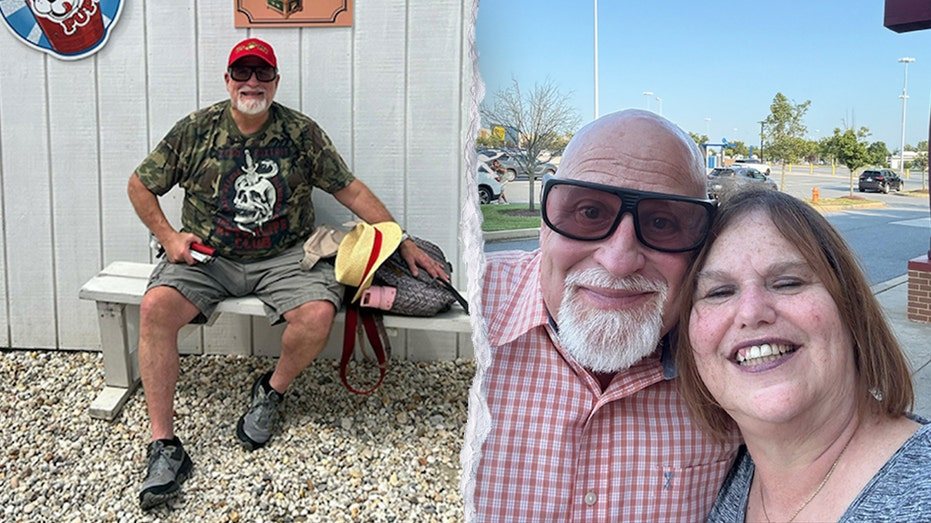
A Maryland man is suing Novo Nordisk, the manufacturer of Ozempic, alleging the diabetes drug caused irreversible vision loss in both eyes and that the company failed to adequately warn patients and doctors about the risk.
Todd Engel, 63, was prescribed Ozempic in 2023 to manage his diabetes. The GLP-1 medication is approved to treat type 2 diabetes and is also widely prescribed off-label for weight loss. About four months after he began taking the drug, doctors diagnosed him with nonarteritic anterior ischemic optic neuropathy, or NAION, a condition in which reduced blood flow damages the optic nerve and can cause sudden, permanent blindness.
Engel said the first sign came on New Year's Eve 2024. He had just stepped out of the shower and was getting ready for work when he realized something was wrong with his right eye. He described the vision as totally black and dark, and said he was horrified and deeply upset. He was referred for testing, including at the Wilmer Eye Institute at Johns Hopkins, where doctors told him he had suffered an eye stroke, another term for NAION.
Because his blood work and blood pressure were normal, Engel said, he was cleared to return to work. He continued taking Ozempic because neither he nor his doctors knew of a possible association between semaglutide, the active ingredient in Ozempic, and NAION. Roughly ten months later, vision loss struck his left eye as well. Doctors told him no medication or surgery could restore his sight, and he stopped taking the drug immediately after losing vision in the second eye.
Engel has filed a lawsuit against Novo Nordisk, which is based in Denmark, alleging the company did not sufficiently warn patients and physicians about the potential risk of vision loss. He is among hundreds of patients pursuing legal action against makers of GLP-1 medications, including Ozempic and Wegovy, over claims the drugs caused NAION. The lawsuits allege inadequate warnings, though a causal relationship between the medications and the condition has not been definitively established.
The impact on Engel's life has been sweeping. At the time of his vision loss, he worked for Howard County Highways as a heavy equipment operator and truck driver, a field he had been in for about 40 years and for which he held a commercial driver's license for nearly as long. He said he was extremely mechanically inclined, with his hands and his mind, and can no longer do that work. He described the loss of his livelihood as extremely upsetting and said people should be able to retire on their own terms, not because a medical catastrophe takes that choice away.
Ordinary tasks have also become difficult. An avid reader before his vision loss, Engel said he can no longer read newspapers, magazines or books. Inside his home, he counts steps to navigate familiar spaces, recalling that there are ten steps coming in from the parking lot, nine going down to the basement and 13 going up to the bedroom. Outside, he uses a white cane and relies on his family for everyday activities. His four grandchildren often guide him at family gatherings, telling him how many steps to take and when to turn.
Engel said the loss of independence is embarrassing. At 64, he said, he should not need his grandchildren or his wife to help him get from one point to another. His wife, Shelley Engel, said the vision loss has changed every aspect of their family's life. Engel said he will never again see his wife's face, his children or his grandchildren, or play ball with them, and that he wakes up in the dark and goes to sleep in the darkness.
He said that if he had been warned about a possible link between Ozempic and vision loss, he would not have taken the drug. Had he known, or had his doctor had any inkling, he said he would have refused it and would rather manage his diabetes than jeopardize his eyes. The Engels said they are speaking publicly in hopes of preventing others from suffering the same outcome, urging people to do their own research so that his injuries do not happen to anyone else.
5