4 minPolitics
Supreme Court Keeps USPS Mail-In Ballot Rule Blocked for Midterms
The Supreme Court declined to let the Postal Service implement a new mail-in ballot screening plan weeks before the midterm elections, preserving existing procedures used by nearly one-third of voters. Justices Alito and Thomas dissented.
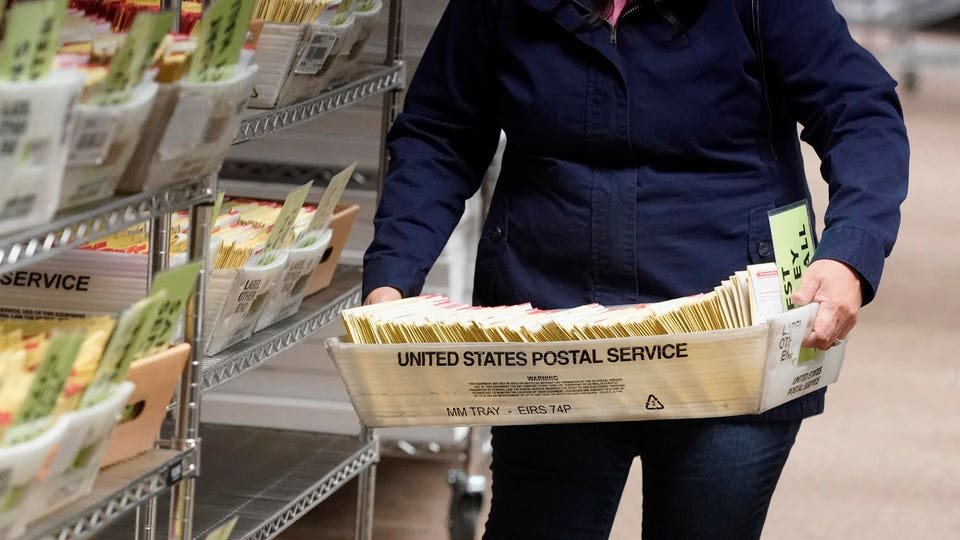
The Supreme Court has refused to allow the Postal Service to begin screening mail-in ballots under a new plan announced just weeks before the midterm elections, keeping a lower court order in place and preserving the voting-by-mail procedures that states already use.
The decision means states can continue sending and processing absentee ballots under their existing rules, a system that serves nearly one-third of American voters. The Trump administration had asked the justices to lift the block so the Postal Service could implement the screening program before Election Day.
The court's action leaves the restriction blocked for now, removing a source of uncertainty for election officials who are already preparing for the midterms. The practical effect is that voters who cast ballots by mail will not face a new layer of screening that critics warned could delay or disqualify legitimate ballots.
Justice Samuel A. Alito Jr., joined by Justice Clarence Thomas, dissented. Alito described the challenge to the restrictions as a «Hail Mary pass» that was unlikely to succeed because the Postal Service has broad authority to regulate the mail. The dissent underscores the legal tension in the case: the Postal Service's general power over mail operations against the states' role in running elections and the risk of last-minute changes.
A whistleblower had warned that the rule risked a «catastrophic failure which could derail the midterm elections.» That warning was central to the argument that the plan should not take effect so close to voting. The case arrived at the Supreme Court with the election calendar already tight, and the justices' decision to leave the block in place avoids introducing a new mail-handling process during the voting period.
For voters, the outcome means the familiar process remains: request a ballot if required, receive it, complete it, and return it according to state deadlines. Election administrators in states that rely heavily on mail voting can proceed without reprogramming sorting equipment, retraining workers, or issuing new guidance to voters about screening procedures.
The dispute also highlights how election law increasingly reaches the Supreme Court in the final weeks before voting. Courts have repeatedly been asked to resolve conflicts over ballot deadlines, drop boxes, and mail procedures, often with little time for lower courts to develop a full record. This case followed that pattern, with the Postal Service plan emerging as a late change that opponents said could confuse voters and overwhelm election offices.
The administration argued that the Postal Service needed flexibility to detect and handle questionable ballots. Opponents countered that the plan would create delays and inconsistent treatment of mail, potentially disenfranchising voters who follow the rules. The Supreme Court's decision not to intervene keeps the lower court's block in force, meaning the plan cannot be implemented while the litigation continues.
The ruling does not resolve the underlying legal questions about the Postal Service's authority over ballot mail. It only maintains the status quo for the midterms. Further proceedings could still shape mail-in voting rules in future elections, but those changes would come after voters have cast their ballots this year.
With the block intact, election officials and voters are left with the procedures already in place. That continuity is significant in a country where mail voting has become a central part of how millions of people participate, and where any late change can affect turnout, confidence, and the ability of election offices to count results on time.