4 minPolitics
Hugh Hewitt says Republican incumbents hold edge in tight Senate races
Columnist Hugh Hewitt argues that seniority and incumbency could give Republican senators an advantage in several close 2026 Senate races, including in Maine, Alaska, Ohio and Michigan.
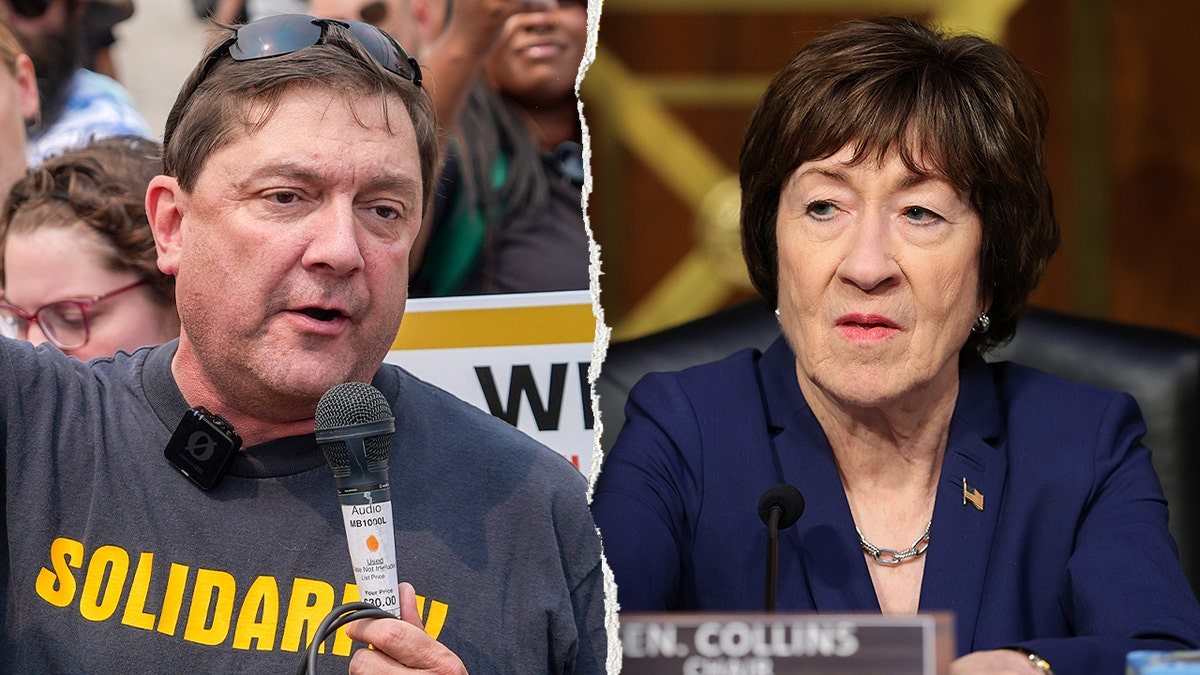
Republican commentator Hugh Hewitt argues that seniority and incumbency could give Republican senators a decisive edge in several close Senate races ahead of the midterm elections. In a column for Fox News, Hewitt contends that voters in states with contested seats should weigh which candidates can deliver the most for their states over the next six years, and he concludes that many toss-ups could break toward the GOP.
Hewitt's central example is Maine, where Senator Susan Collins faces Democrat Troy Jackson. Jackson was picked by the state Democratic Party's committee after Graham Platner withdrew from the race on July 10, a decision Hewitt highlights because Jackson had finished third in the Democratic gubernatorial primary the same day Platner won his primary. Hewitt notes that polls rate the race as a toss-up, but he points out that pre-election polling in 2020 had Collins trailing by at least four percentage points before she won by more than 8 percent. He argues that Collins, who chairs the powerful Senate Appropriations Committee and has cast more than 10,000 consecutive roll call votes, holds a seniority advantage that a first-time senator could not match.
Hewitt makes similar arguments in other states. In South Carolina, he writes that Senator Darline Graham, who has served since the death of her brother Lindsey, has a head start over newly elected senators in a state that backed Donald Trump by 18 percent in 2024. In Ohio, he says Senator Jon Husted, who has sat in the Senate since January 2025 as a member of the majority, is better positioned to deliver for the state than Democrat Sherrod Brown, whom Hewitt describes as having been ousted two years ago after decades in government. In Michigan, he contrasts Republican Mike Rogers, a former House member with 14 years of experience, with Democrat Abdul El-Sayed, whom he calls a far-left candidate who would be a freshman senator. Hewitt also points out that several potential Republican presidential contenders, including Senator Dave McCormick and Senator Ted Cruz, have campaigned for GOP candidates in these states.
In Alaska, Hewitt argues that Senator Dan Sullivan, a two-term incumbent and retired Marine Corps colonel who serves on the Armed Services Committee, should prevail over Democratic nominee Mary Peltola. He writes that Cruz campaigned in Alaska on October 17 on Sullivan's behalf and that President Trump made a rare campaign trip to the state to boost turnout. Hewitt also describes a second candidate named Dan Sullivan appearing on the four-choice ballot, which he characterizes as an attempt to divert votes under the state's ranked-choice system, and says the incumbent has urged voters not to rank Peltola. Hewitt adds that Trump won Alaska by more than 13 percent in 2024.
Hewitt extends the argument to open-seat races in Texas and Iowa, where he says Republican candidates Ken Paxton and Ashley Hinson should win despite what he describes as a difficult environment for the party in a president's sixth year. He notes that polls in both states show toss-ups, but he argues the Republican candidates are gaining ground. In Kansas, he writes that Senator Roger Marshall's seniority could help farmers hit by high diesel costs, and he says Senator Pete Ricketts is similarly positioned in Nebraska. Hewitt closes by criticizing the Democratic nominee in Minnesota, Lieutenant Governor Peggy Flanagan, citing fraud scandals and gang violence that he says occurred during her tenure in state government.
6