5 minPolitics
Harbert sues Trump administration for $461 million over reversed embassy settlement
Contractor B.L. Harbert International says the State Department abandoned a $370 million settlement over pandemic-era embassy construction after political leadership intervened, and it is now seeking more than $461 million in court.
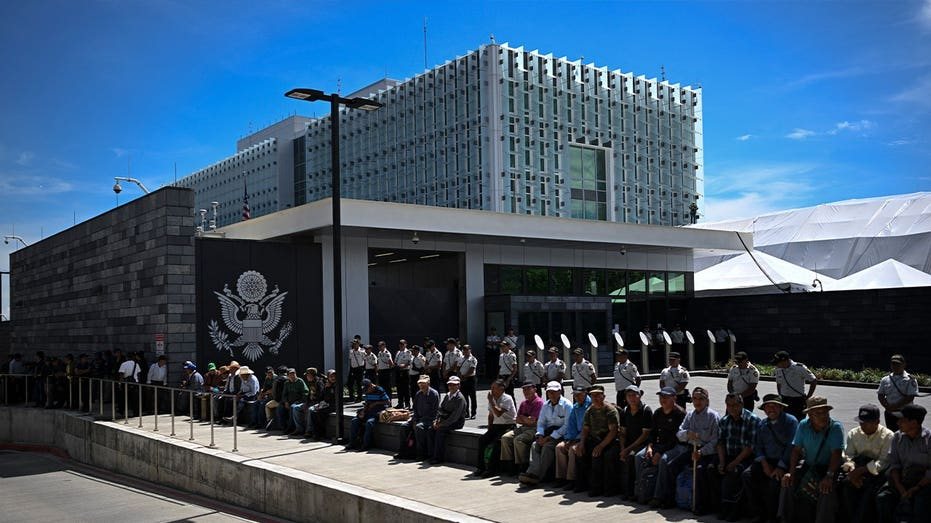
A longtime U.S. embassy builder, B.L. Harbert International, has filed a lawsuit seeking more than $461 million from the Trump administration after the State Department reportedly reversed a $370 million settlement over pandemic-era construction work. The complaint was filed in the U.S. Court of Federal Claims and covers 12 diplomatic construction projects across four continents, including facilities in Turkey, Iraq, Thailand, Morocco, Mexico and Central America.
According to the complaint, career State Department officials reached the $370 million agreement in September 2025, but the government paid only $501,636 before backing out. Harbert alleges that political leadership « inserted themselves into the process after a settlement was reached » and that the decision to abandon the deal « came from the top, » a claim the company made on information and belief. Fox News Digital has reached out to the State Department for comment.
Charles Bohn, president of BL Harbert's International Group, said in a statement that the company did not want to take the legal step. « The U.S. Government is an important partner, and we are proud of the work we do together to advance America's interests and protect Americans serving overseas, » he said. He added that the company had kept its commitments under extraordinarily difficult conditions and was asking the government to keep its own.
The dispute traces back to the start of the COVID-19 pandemic. At that time, Harbert was working on 17 embassy and consulate projects worldwide, representing nearly two-thirds of the State Department's embassy construction program, according to the lawsuit. As countries shut down in early 2020, the company says it asked State whether to pause work. It argues the pandemic was an « excusable delay » under its contracts that would have allowed it to demobilize personnel and resume once conditions stabilized.
Instead, the complaint alleges, State directed Harbert to remain ready to mobilize, keep procuring and shipping materials and work through the disruptions, while documenting the added costs for reimbursement. In a March 2020 communication cited in the filing, Harbert warned that it could not afford to keep paying workers on standby without assurances of reimbursement. Labor costs on the new U.S. Embassy in Guatemala City alone were running roughly $1.3 million per month, the filing says. Weeks later, State told the company to continue procuring and shipping materials so projects would not fall to the « back of the line » when construction resumed.
The projects ultimately moved forward under pandemic restrictions that Harbert says raised costs and reduced productivity amid workforce limits, supply-chain disruptions and new operating requirements. According to the company, the government has since taken possession of all 12 facilities at issue and has used some of them for more than three years. Harbert ultimately submitted more than $500 million in requests for equitable adjustments and other claims tied to the pandemic directives and separate disputes, including alleged design changes and government-caused delays.
Harbert says it formally certified its claims in March 2026 after the State Department's chief of staff encouraged it to do so, with the understanding that certification would make it easier for the government to implement the settlement. Instead, State contracting officers began denying the claims in July, and by October 13, 2026, all 13 certified claims in the lawsuit had received final decisions. Harbert now seeks at least $461,097,380 in damages, plus interest and other relief. The lawsuit does not ask the court to enforce the $370 million settlement itself; the company says those settlement-related claims remain in the administrative process and that it reserves the right to add them later.
The case also highlights the limited pool of contractors able to build highly secure diplomatic facilities overseas, work that requires specialized security clearances, vetted workforces and the ability to manage complex construction and supply chains abroad. According to Harbert, some State Department embassy projects now draw just two or three qualified bidders, a situation that could make the outcome of the dispute relevant to future U.S. overseas construction.
6