4 minEconomy
Social Security Raise of 3.6% Is Largest in Four Years as Trust Fund Nears 2032 Shortfall
Social Security recipients will receive a 3.6% cost-of-living adjustment in January, the biggest increase in four years, adding about $75 a month for the average retiree. The boost comes as the retirement trust fund is projected to be unable to pay full benefits in late 2032, prompting calls for reform.
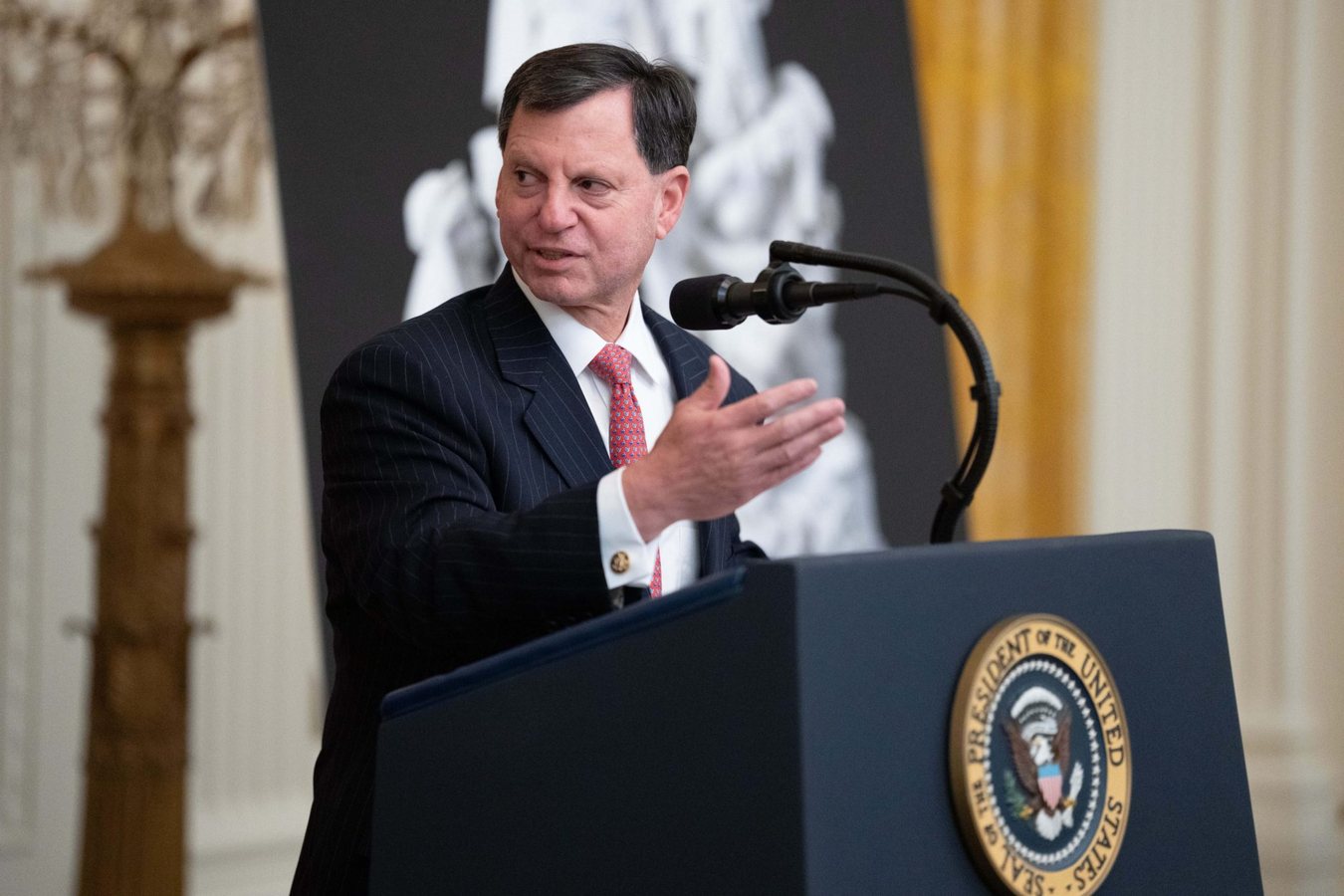
Social Security recipients will see their monthly checks rise by 3.6% in January, the largest cost-of-living adjustment in four years, driven by persistent inflation. The increase will reach about 72 million people and add roughly $75 a month for the average retiree, according to the Social Security Administration.
The adjustment is up from 2.8% this year and marks the biggest boost since the 8.7% increase announced in 2022. It also comes in 0.9 percentage points higher than what the Social Security trustees recently projected, according to the nonpartisan Committee for a Responsible Federal Budget (CRFB). Because the COLA tracks the Consumer Price Index for Urban Wage Earners and Clerical Workers, a larger raise signals that prices rose faster than expected over the past year.
For many older adults, the extra money will be welcome but may not stretch far. Rich Johnson, vice president for financial security at the AARP Public Policy Institute, said many retirees rely on Social Security for most of their income and that family budgets «have been under increasing pressure because of rising prices.» Independent Social Security and Medicare policy analyst Mary Johnson was more direct, telling Money in August, when her forecast was 3.4%, that «we are in a brave new world of breathtakingly high prices and costs.»
Part of the raise could be absorbed by Medicare premiums. The Part B premium is deducted from the same Social Security check, and the 2027 amount has not been finalized. The Medicare trustees project a monthly premium of $209.50, which would be a $6.60 increase over this year.
The COLA is applied as a percentage, so it delivers larger dollar increases to people who already receive higher benefits. The CRFB calculated that a 3.6% adjustment would raise average benefits by about $900 per retiree per year. For the wealthiest beneficiaries, the annual increase would exceed $2,200. The highest-earning couples who retired this year at their normal retirement age would see a combined increase of $3,600 a year, pushing their total benefits above $100,000 annually.
Meanwhile, the program’s finances remain under strain. The 2026 Trustees Report projects that the Old-Age and Survivors Insurance Trust Fund can pay full scheduled benefits only until the fourth quarter of 2032. After that, incoming revenue would cover just 78% of scheduled benefits. If the retirement and disability funds were combined, reserves would last until the third quarter of 2034.
The CRFB warned that without action, a 22% cut in 2032 «could wipe out the previous nine years’ worth of COLAs all at once.» The think tank urged lawmakers to consider several options: adopting the chained CPI, which it calls a more accurate measure of inflation; capping the COLA at a dollar limit, which this year would be roughly $1,200 and would leave about three-quarters of beneficiaries unaffected; setting a six-figure limit on all benefits, including those of the wealthiest current recipients; or adopting a flat-rate COLA that limits raises at the top and boosts them at the bottom. The CRFB also said new or increased revenue and phased-in benefit reforms for future retirees should be on the table, adding that «time is short, and policymakers should move quickly.»
The Social Security Administration’s actuaries have scored similar proposals, including a chained CPI that would lower the COLA by about 0.3 percentage points on average. Social Security Commissioner Frank Bisignano has rejected fears about the program’s future, saying it will «be around for another 90 years.»
The announcement puts renewed attention on the long-term solvency of the retirement system as millions of Americans prepare for a modest but meaningful increase in their monthly payments.
9