5 minEconomy
Avocado Import Limits Would Raise Prices Without Helping California Growers, Former USDA Official Warns
As Washington revisits USMCA, proposed seasonal tariff-rate quotas on Mexican avocados would strain supply and jeopardize U.S. jobs, according to a former USDA official who now represents importers. U.S. avocado consumption has grown more than sevenfold since the late 1990s, and Mexico supplies 83% of imports.
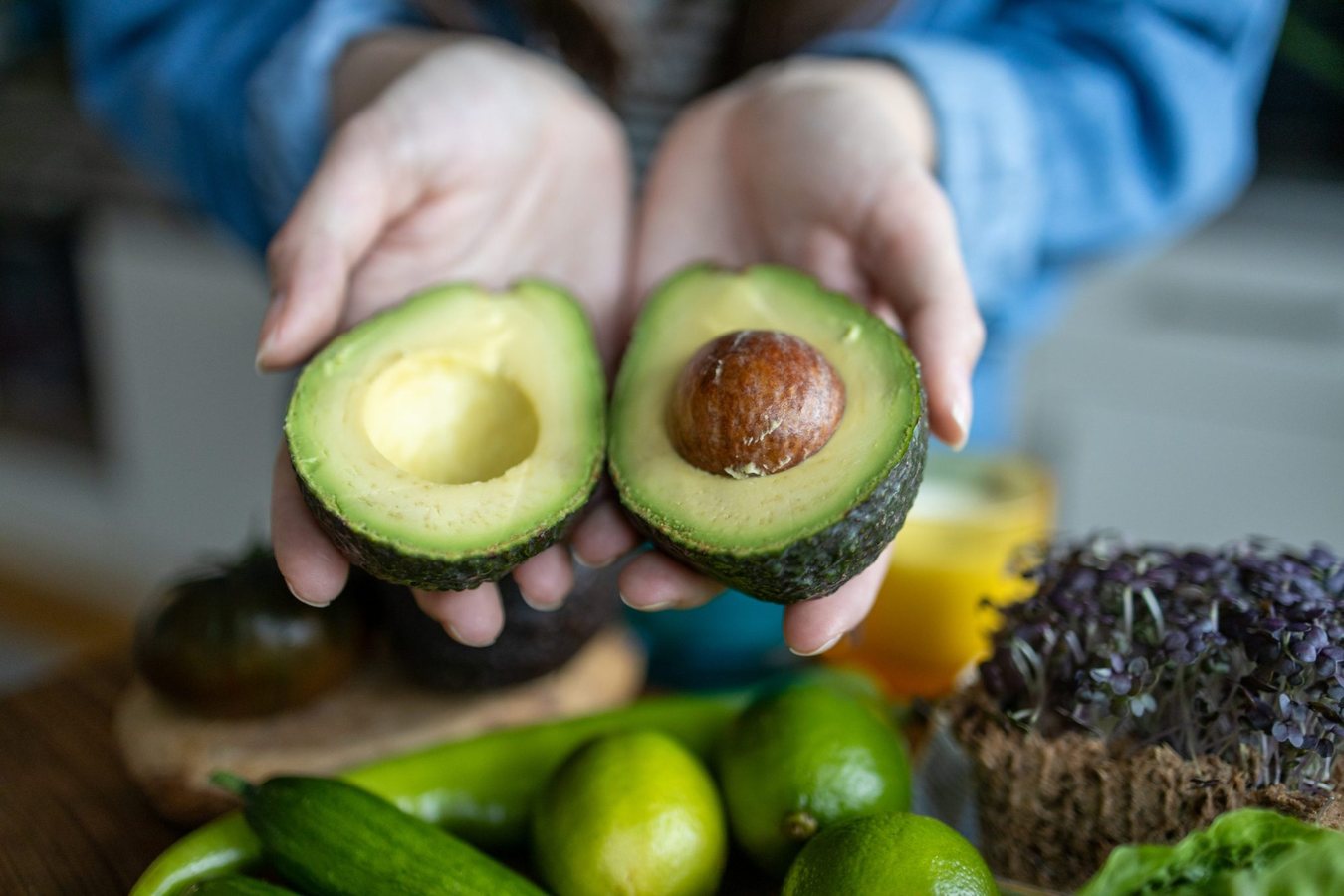
Proposals to impose new seasonal limits on Mexican avocado imports would raise prices for American consumers without solving the cost pressures facing California growers, according to a former U.S. Department of Agriculture official who now represents Mexican avocado importers. The warning comes as the United States prepares to revisit the U.S.-Mexico-Canada Agreement and Congress weighs calls to restrict imports in support of domestic producers.
Seasonal tariff-rate quotas would cap Mexican supply during the March-to-September window, when imports account for roughly half of U.S. avocado availability. The former official argues such quotas would create an economic headache by straining supply and jeopardizing American jobs, health and household budgets. California growers face genuine pressures, including high input, land and water costs, but the official contends that tariff-rate quotas would not address those underlying costs.
The history of Mexican avocado access to the U.S. market has unfolded in stages. Alaska gained access in 1993. In 1997, the USDA allowed Mexican Hass avocados into 19 northeastern states for part of the year. Year-round access to all 50 states began on February 1, 2007. California growers fought the earlier expansions in court, and nationwide access was not achieved until 2007.
Since then, American consumption has surged. According to USDA data, U.S. avocado consumption has grown more than sevenfold since the late 1990s, rising from approximately 424 million pounds in 1998/99 to 3.25 billion pounds in 2024/25. Per capita consumption reached 9.5 pounds annually in 2024/25, up from just 1.52 pounds in 1998/99. Avocados are no longer a specialty purchase but a regular part of American diets.
Domestic production has not kept pace. California had approximately 49,300 acres of bearing avocado farmland in 2025, producing an average of 6,940 pounds per acre. The United States imported nearly 2.9 billion pounds of avocados that year, with Mexico supplying 83% of those imports. The scale of that gap illustrates why California production alone cannot replace the volume supplied by Mexico.
The experience with Mexican tomatoes offers a recent example of how agricultural trade policy can reverberate through grocery aisles. After Mexican tomatoes lost their duty-free status, U.S. tomato prices climbed nearly 40% over the prior year, compared with a 17% increase in food prices overall, according to CBS News. While tariffs were not the only factor, with weather conditions and rising production costs also contributing, the episode shows how trade restrictions can compound existing supply challenges and increase costs for consumers.
Mexican Hass avocado imports generated an estimated $7.1 billion in U.S. economic output and supported more than 37,000 jobs in fiscal year 2025/26, according to a 2026 economic impact analysis by Texas A&M University researchers. The study, funded by the Mexican Hass Avocado Importers Association, found that economic output associated with those imports has increased more than 320% since fiscal year 2012/13, although annual contributions have fluctuated with changes in import volumes and prices.
That economic activity extends to California itself. The researchers estimate that Mexican Hass avocado imports generated approximately $968 million in economic output and supported more than 5,300 jobs in the state in fiscal year 2025/26, benefiting businesses across transportation, distribution, retail and other services. These findings illustrate how California participates in the economic activity generated by avocado imports, even as its domestic growers face competitive pressures.
California growers face real challenges, including rising labor and water costs and regulatory pressures. Addressing those challenges requires targeted policies, including measures to improve water efficiency and manage rising production costs, according to the former official. Supporting domestic growers and maintaining a reliable, integrated North American avocado supply chain must work in tandem, not at the expense of one another.
Mexican avocado imports have helped meet growing American demand, expand the overall avocado market and support U.S. jobs, the official writes. The question is whether a tariff-rate quota achieves the goal of supporting growers, and the official maintains it would not. The debate is likely to intensify as USMCA renegotiation moves forward and Congress continues to weigh proposals that could reshape the avocado supply chain.
6