3 minEconomy
Oil Prices Plunge After Trump Halts Planned U.S. Assault on Iran
Oil prices fell sharply after President Trump said he halted a planned U.S. assault on Iran, easing investor fears of an immediate Middle East supply disruption.
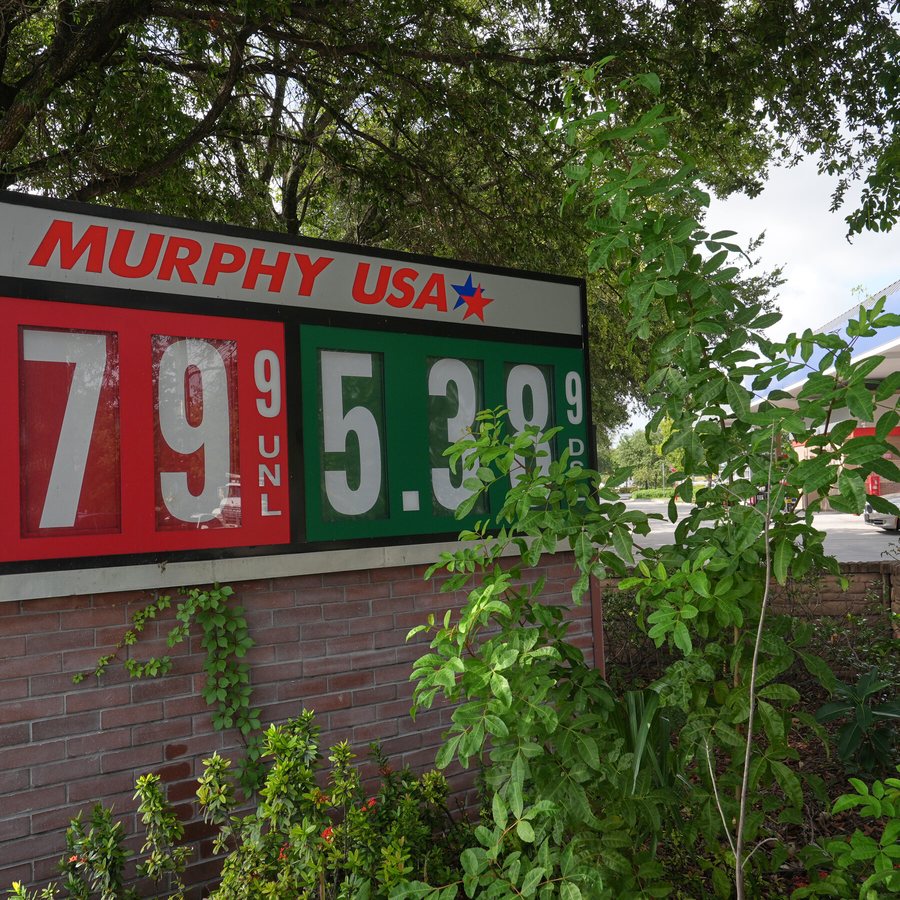
Oil prices plunged as investors digested President Trump's announcement that he had halted a planned U.S. assault on Iran, a decision that sharply reduced the immediate threat of a military confrontation in the Middle East. The decline marked the first market reaction to the news and reflected a rapid unwinding of the geopolitical risk premium that had been built into crude prices during weeks of escalating tension.
The sell-off came as traders reassessed the likelihood of a conflict in one of the world's most important oil-producing regions. Iran, a major crude exporter, sits close to the Strait of Hormuz, a narrow waterway through which a significant portion of global oil shipments pass. Any military strike or retaliation that threatened shipping through the strait would have put global supply at risk and driven energy prices sharply higher.
Trump's announcement that he had called off the planned strike was enough to trigger a wave of selling in the oil market. Investors interpreted the halt as a sign that the immediate danger of a regional war had eased, even though it remained unclear whether the pause would lead to a broader de-escalation or prove to be only a temporary lull. The price drop showed how quickly market sentiment can turn when the most extreme scenarios are taken off the table.
The move also underscored how central political and military developments have become to the outlook for oil prices. For weeks, uncertainty over the situation in the Gulf had forced energy traders to weigh the risk of supply disruptions alongside signs of global demand. With the immediate threat receding, those calculations shifted, and crude prices adjusted accordingly.
The impact of lower oil prices extends well beyond trading floors. Cheaper crude typically translates into lower costs for gasoline, diesel, jet fuel, and a wide range of industrial products, which can ease pressure on households and businesses. At the same time, it affects revenues for oil-producing countries and for energy companies that base their investment plans on the expectation of stable or rising prices.
Attention now turns to the next steps from Washington, Tehran, and international mediators. The key question for markets is whether the pause in fighting becomes a foundation for diplomacy or simply a break before more conflict. Any renewed military activity, new sanctions, or failure of political efforts could quickly restore the risk premium and send oil prices climbing again.
For now, the market has chosen to interpret the halt as a positive development. But the underlying tensions remain, and the calm may prove fragile. Investors are likely to remain sensitive to any new headlines from the Gulf, knowing that in a region as volatile as the Middle East, a single event can reverse the trend in a matter of hours.