3 minEconomy
European Gas Prices Retreat From Two-Week High as Trump Rules Out Pre-Midterm Strikes
European natural gas prices pulled back from a two-week peak after President Trump said he would not order military strikes before the U.S. midterm elections, easing immediate supply fears. The market remains tense over winter inventories and geopolitical risk.
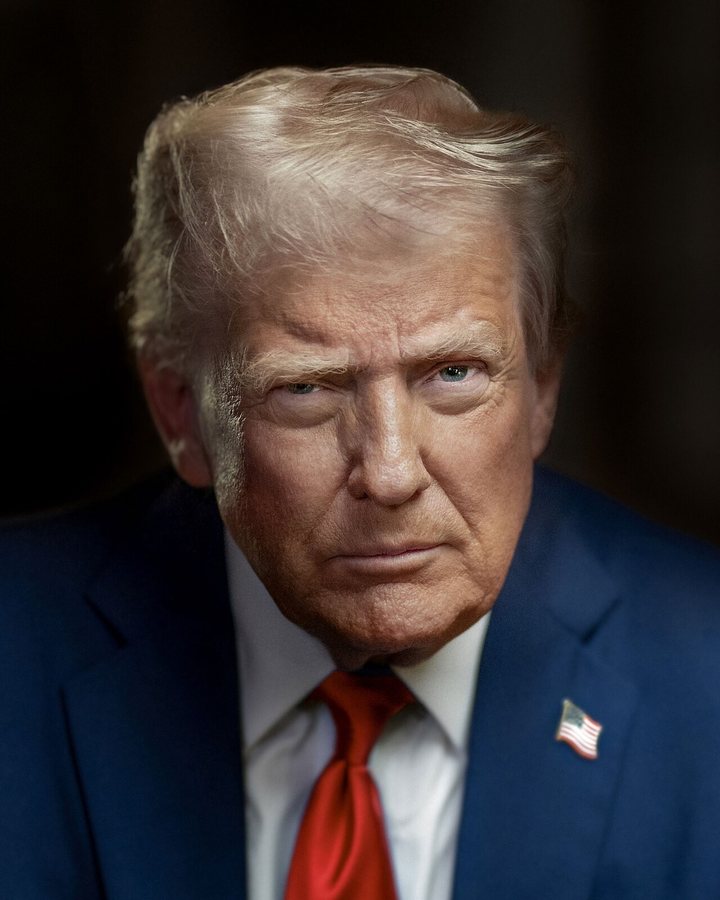
European natural gas prices slipped from a two-week high after President Donald Trump ruled out ordering military strikes before the U.S. midterm elections, removing a near-term source of supply anxiety from an already jittery market. The benchmark Dutch front-month contract, the region's main pricing reference, eased after climbing earlier in the session on concerns that a broader conflict could disrupt energy flows.
The pullback was modest rather than decisive. Traders said the market remains caught between two forces: the immediate relief of no imminent military action and the persistent worry that winter inventories are not where they should be. The result is a market that reacts sharply to headlines but has not yet found a comfortable floor.
Trump's comment, made as voters prepare to cast ballots in the midterm elections, was read by energy analysts as a signal that Washington does not want a new military front in the weeks before the vote. For European gas, that matters because any escalation involving major energy producers or transit routes can quickly tighten supply and send prices higher. The region's storage levels are adequate but not abundant, leaving little cushion for a disruption.
The broader energy complex has been volatile for months. European gas prices have swung on weather forecasts, maintenance schedules at key export facilities, and the pace of liquefied natural gas imports. The market is also watching demand from Asia, where a cold snap or a strong economic rebound could pull cargoes away from Europe and force prices higher to compete.
Analysts said the pre-midterm restraint is likely temporary. Once the election passes, the political calculus could shift, and with it the risk premium embedded in gas prices. That uncertainty is why the market has not fully retraced its recent gains. Traders are reluctant to sell aggressively when the next headline could reverse the move.
For households and businesses across Europe, the stakes are direct. Gas prices feed into electricity costs, industrial production, and heating bills. A sustained rise would add to inflation pressures that central banks are still trying to contain. A sustained fall would offer some relief, but few analysts expect a return to the low prices seen before the energy crisis.
The immediate market reaction suggests traders are treating the president's remark as a short-term calming signal rather than a structural change. The underlying concerns — tight supply, geopolitical risk, and uncertain demand — remain in place. Until those are resolved, European gas prices are likely to stay sensitive to every new development.
9