3 minEconomy
Oil Prices Slip as Traders Weigh Strong Mideast Exports Against Gulf Tensions
Oil prices edged lower as rising Middle East exports offset concerns over escalating tensions in the Gulf, leaving traders to balance ample supply against geopolitical risk.
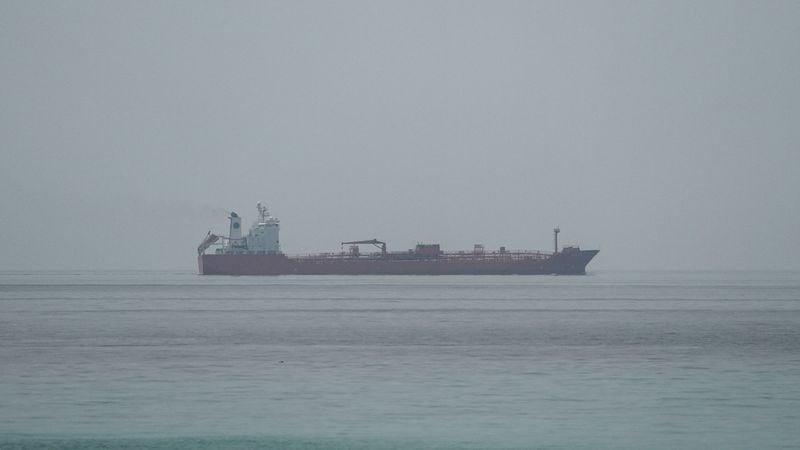
Oil prices slipped on Tuesday as traders weighed robust crude exports from the Middle East against heightened geopolitical tensions in the Gulf, a balancing act that has kept energy markets on edge.
Brent crude, the global benchmark, fell modestly while U.S. West Texas Intermediate also declined, as the market digested signs of strong supply from key producers in the region. The downward move came despite ongoing concerns about potential disruptions to shipping lanes and energy infrastructure amid rising tensions.
The Middle East remains the world's most important source of crude, and any hint of conflict in the Gulf typically sends prices higher. But this time, the market appears more focused on the steady flow of exports from producers such as Saudi Arabia, the United Arab Emirates, and Iraq, which have helped offset fears of a supply shock.
Analysts noted that the strong export volumes are providing a cushion against geopolitical risk premiums that might otherwise push prices up. The tug-of-war between supply fundamentals and security concerns has left oil benchmarks searching for direction in recent sessions.
Traders are also monitoring demand signals from major economies, where slower growth in China and Europe has raised questions about the pace of global oil consumption. The combination of ample supply and uncertain demand has kept a lid on prices even as tensions simmer.
The Gulf region accounts for a significant share of global oil production and exports, making it a constant focus for energy traders. Any escalation in tensions could threaten tanker traffic through the Strait of Hormuz, a chokepoint through which roughly a fifth of the world's oil passes.
So far, however, the flow of crude has remained uninterrupted, and that has given the market a sense of stability. The strong export figures suggest that producers are able to maintain output despite the uncertain security environment.
Still, the situation remains fluid. Traders are keeping a close watch on diplomatic developments and any signs of military escalation that could alter the supply picture. A single incident in the Gulf could quickly shift sentiment and send prices higher.
For now, the market is in a holding pattern, with prices drifting lower as the bearish influence of strong exports outweighs the bullish potential of geopolitical risk. The next move will likely depend on whether tensions escalate or ease in the coming days.
4