4 minEconomy
Congress Moves to Cut Nickel Costs After Killing the Penny
Lawmakers are pushing the Treasury to study cheaper materials for the nickel, which costs about 13 cents to make, after Congress voted to eliminate the penny.
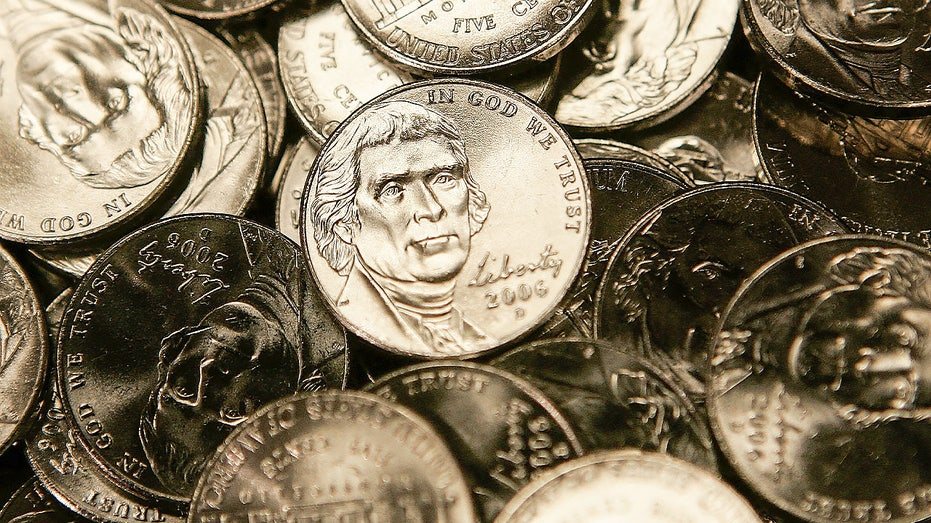
Congress is turning its attention to the nickel after moving to eliminate the penny, as lawmakers push the Treasury Department to find cheaper materials for a coin that costs far more to produce than it is worth. The bipartisan Common Cents Act, which passed both the House and Senate unanimously earlier this year, would direct the Treasury to study making nickels from less expensive metals. The bill has not yet been signed by President Donald Trump.
Nickels currently cost taxpayers roughly 13 cents each to produce, according to the latest data, meaning the government loses about eight cents on every five-cent coin it mints. The coin is made of a mixture of 25 percent nickel and 75 percent copper. The legislation would authorize a lower-cost composition if testing shows it can reduce production costs without significantly disrupting coin-operated machines such as vending machines.
«If it costs 13 cents to make a five-cent coin, Washington should fix the problem instead of wasting more taxpayer money,» House GOP Conference Chair Lisa McClain, R-Mich., said. «My bill gives Treasury a path to make nickels at a lower cost without disrupting how Americans use them. It is a simple reform that saves money and brings a little more common sense to government.»
Sen. Cynthia Lummis, R-Wyo., who led the bill in the Senate, said the shift away from cash is making the question more urgent. «More and more Americans are paying with credit cards, debit cards, and stablecoins for everyday purchases that once would have been made with cash or coins,» she said. «The half-cent coin was retired when it was no longer needed, and the penny has now reached that same point. It’s my hope that we can find a cheaper way to produce the nickel so that it remains economically viable for years to come.»
The penny’s demise began last December when the Treasury Department announced the U.S. Mint would stop producing new pennies, which at the time cost more than three times their face value to make. The Trump administration projected immediate savings of $56 million from halting penny minting. However, because the decision was made administratively rather than through legislation, it could be reversed by a future administration unless Trump signs the Common Cents Act into law.
The White House did not respond to a request for comment on whether and when the president plans to sign the bill. Treasury Secretary Scott Bessent said in May 2025 that he believed the U.S. could «retool» the nickel to make it cheaper to produce, suggesting some appetite within the administration for addressing the coin’s costs.
It remains unclear whether there is support for ending nickel production altogether. The current legislative effort focuses on changing the coin’s composition rather than eliminating it, a more cautious approach that would preserve the nickel’s role in everyday commerce while reducing the loss to taxpayers. The Common Cents Act’s requirement that any new composition not significantly disrupt coin-operated machines reflects concerns from industries that rely on them.
The penny’s elimination followed years of debate over whether the one-cent coin had outlived its usefulness. Its production cost had exceeded its value for more than a decade, and a growing share of transactions now occur digitally. The same forces are now prompting scrutiny of the nickel, though its higher value and continued use in vending machines and other coin-operated devices have made the debate more complicated.
For now, the nickel’s fate rests with the Treasury’s study and the president’s signature. If the bill becomes law, it would mark another step in the gradual reshaping of American currency as officials weigh the costs of producing physical money against its declining use in daily life.
8