5 minEconomy
Chevron CEO warns Iran conflict threatens global oil supplies as gas prices climb
Chevron CEO Mike Wirth said attacks on Middle East shipping routes and the conflict with Iran have created a serious risk to global oil supplies, with U.S. gasoline averaging $4.09 a gallon.
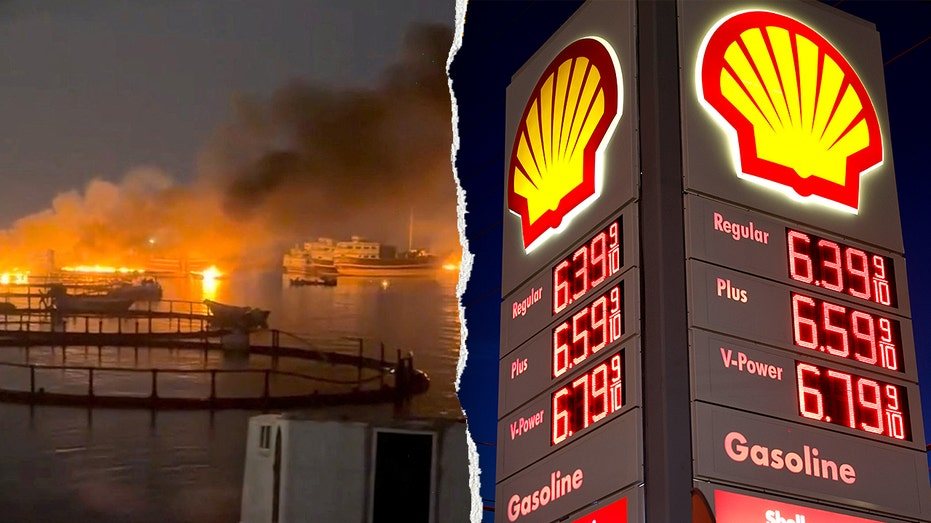
The chief executive of oil giant Chevron has warned that escalating conflict with Iran and attacks on key Middle East shipping routes have created a «very real» threat to global oil supplies, just as American motorists face sharply higher gasoline prices and world markets struggle with declining inventories.
Mike Wirth, who oversees one of the largest U.S. oil companies, said the risks now extend well beyond the Strait of Hormuz. «We now see, not only the Strait of Hormuz, but the Red Sea and the Black Sea have risks and uncertainties. So, some of the challenges have expanded, and the risks to supply are very real,» Wirth said during an appearance on the program Sunday Morning Futures.
His warning arrives as oil prices climb after President Donald Trump paused U.S. strikes against Iran and as Saudi Arabia reportedly assembles an international coalition to protect vital shipping lanes. The conflict has dragged into a sixth month, and Wirth said global energy markets remain fragile and uncertain even though oil demand around the world is strong.
«The world energy system has been stressed and the need for supplies to markets and customers has never been higher,» the Chevron CEO said. He argued that markets are dealing with unusually tight conditions because global inventories have continued to fall while the confrontation with Iran continues to fester.
Much of the concern centers on the Strait of Hormuz, a narrow waterway through which a large share of global seaborne oil passes. According to Wirth, traffic through the strait has dropped to only a handful of vessels per day. Separate Houthi attacks on the Red Sea, another vital corridor, have raised fresh doubts about the reliability of that route and have also increased concern about Saudi oil facilities.
Wirth said the damage done so far goes beyond disrupted shipments. «The unfortunate thing is that energy assets have been targeted in this conflict,» he said. «And what that means is it degrades the capacity of the energy system to meet global demand. How quickly that comes back will be one of the things that determines when markets actually get back to some sort of a new equilibrium.»
He added that supply has been constrained and infrastructure has been damaged, and that new risks will now be priced into shipping markets. That pressure is already visible at the pump, where consumers are paying significantly more than they did a year ago.
U.S. crude oil was trading at roughly $84 per barrel, and the national average price for a gallon of gasoline stood at $4.09, according to AAA. That compares with an average of $3.15 one year earlier, meaning American drivers are paying nearly one dollar more per gallon than they were at the same point in the previous year.
Despite the volatile market, Chevron reported stronger output. Production was up 20 percent year over year and rose 5 percent from the first quarter to the second quarter of 2026, Wirth said. The company also set a record by producing more than 2 million barrels of oil equivalent in a single day, which he described as an all-time high for the United States.
Wirth credited the United States with stepping up to help ease the global oil crisis, saying American producers have increased output while some traditional supply routes remain disrupted. He said Chevron is exploring ways to bypass the most vulnerable shipping waterways in the Middle East.
As part of that effort, the company is in discussions with Iraq about potentially entering one or two oil fields there. Wirth said the talks include a framework that could allow construction of a pipeline running north to the Mediterranean Sea, creating a path for production to reach global markets without passing through the Strait of Hormuz.
Wirth said the speed of recovery in damaged energy infrastructure will determine when markets find a new equilibrium. Until that happens, he indicated, the global energy system will continue to operate under strain.