4 minEconomy
Bank of Japan’s Ueda vows to keep raising interest rates, discuss inflation
Bank of Japan Governor Kazuo Ueda reaffirmed the central bank's commitment to further interest rate hikes, citing sustained inflation and wage growth. The remarks signal a continued shift away from decades of ultra-loose monetary policy.
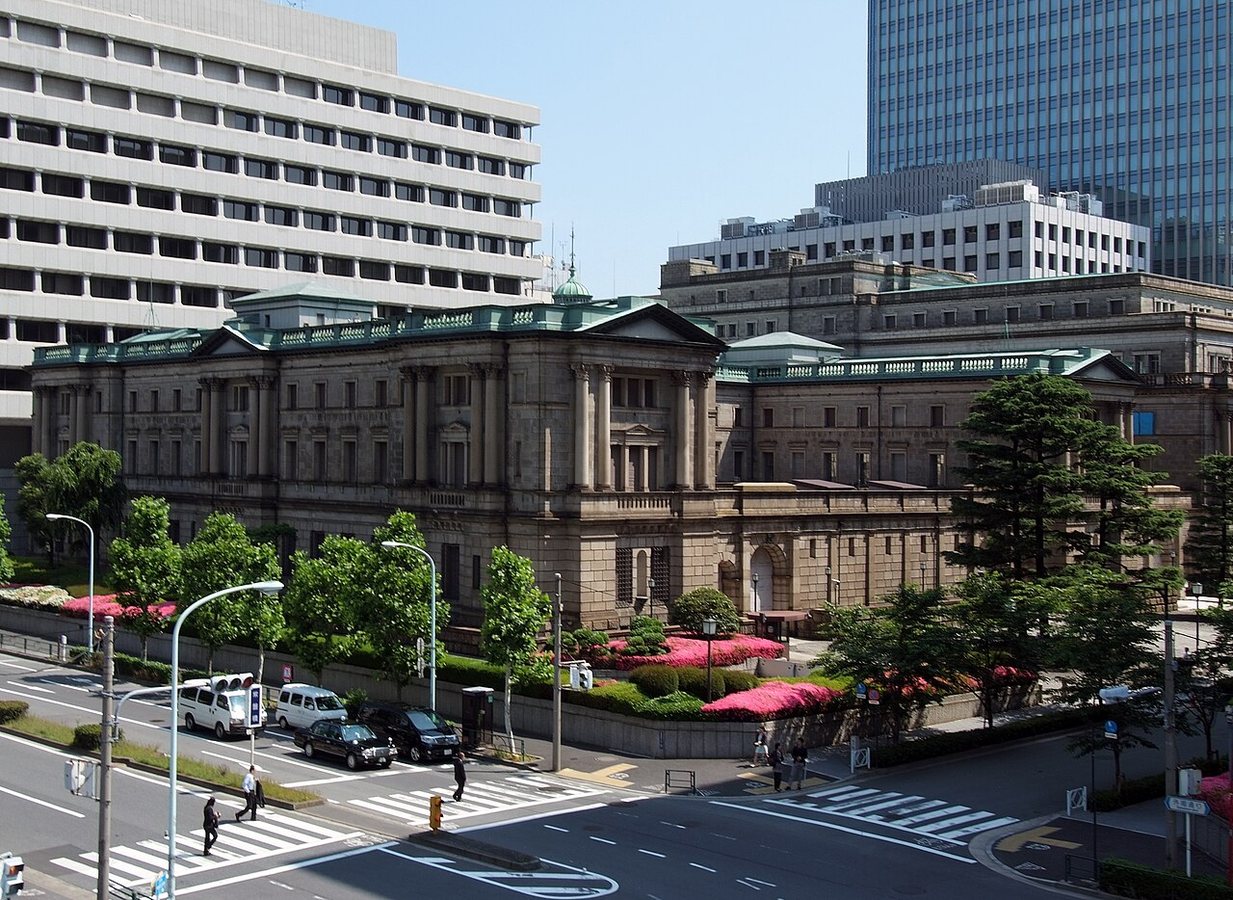
The Bank of Japan will continue to raise interest rates if economic conditions evolve as expected, Governor Kazuo Ueda said, signaling the central bank’s determination to press ahead with monetary policy normalization. Ueda’s remarks, delivered during a parliamentary session, underscored the BOJ’s view that inflation is becoming more entrenched in the world’s fourth-largest economy.
Ueda stated that the central bank would keep discussing and adjusting policy based on data, with a clear bias toward further tightening. He pointed to sustained wage growth and a broadening of price increases as key factors supporting the case for higher borrowing costs. The governor’s comments come after the BOJ ended its negative interest rate policy earlier this year, a historic shift after years of aggressive stimulus.
The yen’s weakness has added urgency to the BOJ’s tightening path. A softer currency inflates import prices, putting upward pressure on the inflation that Japanese households and businesses have long been insulated from. Ueda acknowledged these dynamics, noting that the central bank is monitoring currency moves and their impact on the price outlook.
Markets have been parsing Ueda’s language for clues on the pace of future hikes. While the BOJ has not committed to a specific timeline, economists widely expect another move in the coming months if inflation remains above the bank’s 2 percent target. Core consumer prices have stayed above that threshold for well over a year, driven by food and energy costs as well as a gradual pass-through of higher input prices by firms.
The governor’s stance reflects a broader shift within the BOJ, which for decades struggled to generate sustained price growth. The current inflation episode, fueled partly by global supply shocks and a tight labor market, has given policymakers an opportunity to exit unconventional easing measures. Ueda has repeatedly emphasized that the bank will not hesitate to act if the inflation outlook warrants it.
Analysts note that the BOJ’s path is complicated by fragile global demand and uncertainty over the U.S. economy. A rapid tightening cycle could strain Japan’s heavily indebted government, which relies on low interest rates to service its debt burden. Still, Ueda’s latest comments suggest the central bank prioritizes price stability over these concerns.
For Japanese households, higher rates mean increased mortgage costs and loan repayments, a reversal from the era of near-zero borrowing costs. For businesses, it signals a return to more normal financial conditions, where capital allocation is driven by productivity rather than cheap money. The transition, while potentially painful, is widely seen as necessary for the long-term health of the economy.
Ueda’s remarks also carry implications for global markets. Japan is a major source of global capital, with its investors holding vast portfolios of foreign bonds. As Japanese yields rise, some of that capital could flow back home, affecting bond markets in the United States and Europe. The BOJ’s policy decisions are therefore watched closely not just in Tokyo, but in financial capitals around the world.
The governor’s commitment to further hikes is a clear signal that the era of ultra-loose monetary policy in Japan is over. While the pace and timing of future moves remain uncertain, the direction of travel is now firmly toward higher rates. For a country that has spent three decades fighting deflation, that is a remarkable turnaround.
72