4 minBusiness
Newport Restaurant Group Pays $33 Million to Employee Owners Since 1995
Newport Restaurant Group, a 100% employee-owned hospitality company with 18 venues in Rhode Island and Massachusetts, has paid $33 million to its worker-shareholders since launching an employee stock ownership plan in 1995, offering a model for business succession as millions of small firms face ownership transitions.
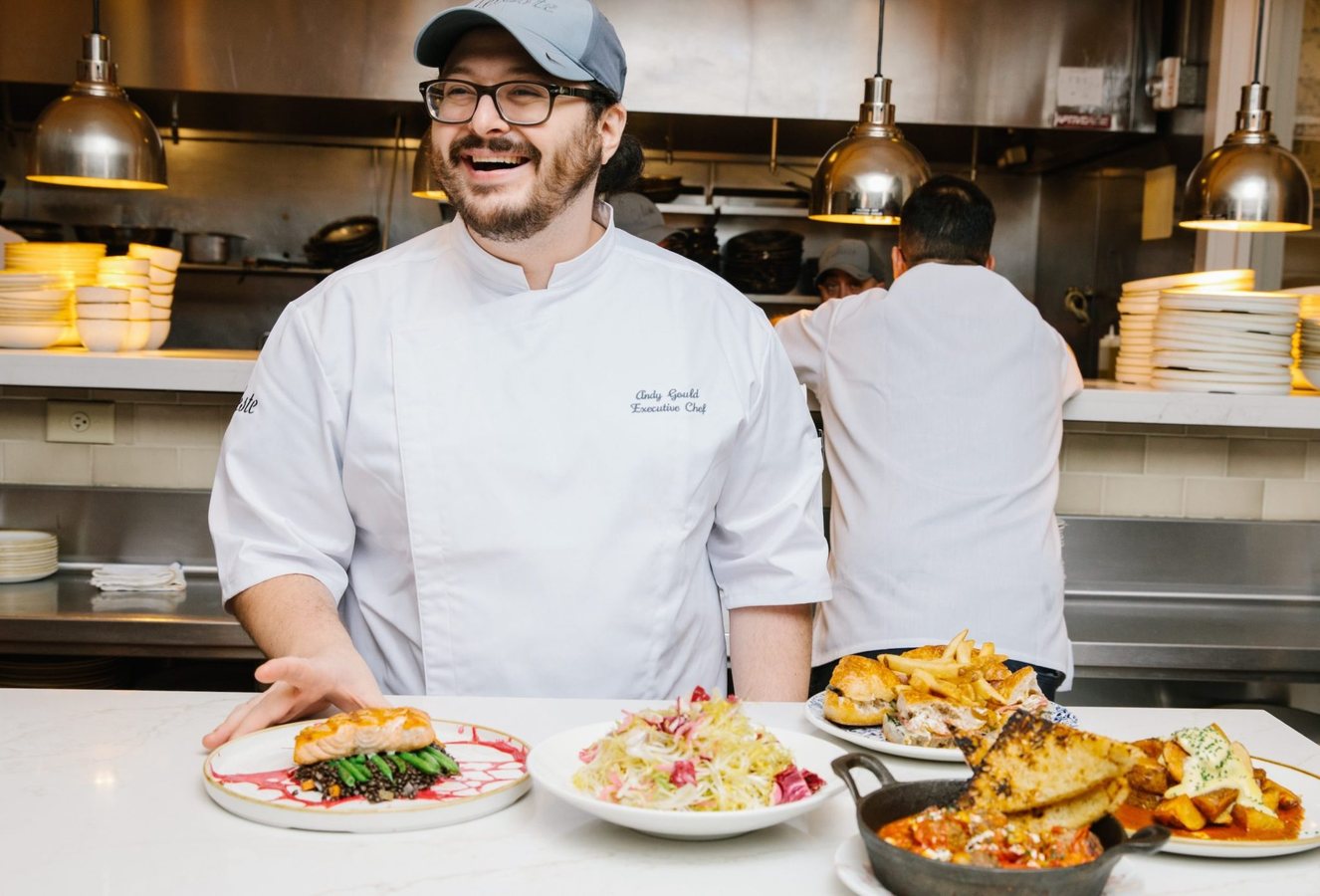
Newport Restaurant Group, a hospitality company that operates 18 restaurants and venues across Rhode Island and Massachusetts, is entirely owned by its roughly 1,100 employees through an employee stock ownership plan, or ESOP, and has paid out $33 million to those worker-owners since the plan began in 1995. The company, which traces its roots to a fuel oil business founded in 1925, sold off its other assets and established the ESOP three decades ago, eventually becoming 100% employee-owned.
The structure means that the people who staff restaurants such as The Mooring in Newport, Castle Hill Inn, 22 Bowen’s and Hemenway’s in Providence are also the shareholders. CEO Mick Lamond, who joined the company as chief financial officer in 2005 and was promoted to the top job in 2025, said the arrangement aligns the workforce directly with the company’s performance. «Everything that we’re doing is to drive the value of our company that only we, as the employee owners, get the benefit of. Nobody else gets the benefit of that work,» Lamond said.
For employees, the plan functions as a retirement benefit that costs them nothing. Workers become fully vested after six years of service and must work at least 800 hours a year—about 15 hours a week—to participate. If they leave, the company buys back their shares, and they can roll the money into a retirement account or cash out. Lamond described the «overarching success story» as giving employees a retirement plan that grows at no cost to them, based on their collective success and hard work.
Andy Staane, who started as a bartender at The Mooring in 2002 as a teenager and remains in the same role 24 years later, said the ownership stake and benefits made staying an easy decision. «If I’m going to do this for a living, I may as well stay with the company that pays me the ESOP, gives me the health insurance, paid time off, the stock options, 401k,» Staane said. He said the relationship with management is mutually appreciative—«They appreciate us, we appreciate them, and it just works»—and that he makes a point of eating at each new restaurant the company opens, spending his own money to help it grow.
The company says its turnover is low, with many employees planning lifelong careers there. Its workforce of about 1,100 employee-owners swells to roughly 1,800 during the busy summer season. Lamond argues that when employees have a vested interest in the company’s success, that commitment carries through to the guest experience.
ESOPs could also offer a solution to a broader succession challenge. By 2035, about 6 million small and midsize businesses will face ownership transitions, representing up to $5 trillion in enterprise value, according to the McKinsey Institute for Economic Mobility. Small and midsize businesses employ nearly half of the U.S. workforce, but most do not survive a change in ownership: of roughly 510,000 that exited the market in 2022, 92% closed, 5% were sold and 3% were transferred to new owners, McKinsey found.
Lamond said ESOPs are a «proven model» compared with alternatives that may leave longtime employees out. «This is a great opportunity for a founder to be able to sell their company to its employees, as opposed to maybe selling it to a strategic buyer or selling it to private equity,» he said. «The founder recognizes the employees are a big part of the success of the company.» Private equity firms have been increasingly active buyers of small businesses, investing in more than 21,000 U.S. companies in 2025, about 85% of which had fewer than 500 employees, according to the American Investment Council.
6