4 minBusiness
NextDC Shares Plunge 42% as Community Opposition Delays Melbourne Grid Upgrade
NextDC cut its annual revenue and earnings forecasts after an electricity provider suspended grid works for its M3 Melbourne data center, sending shares down nearly 42% and deepening a selloff across AI infrastructure companies.
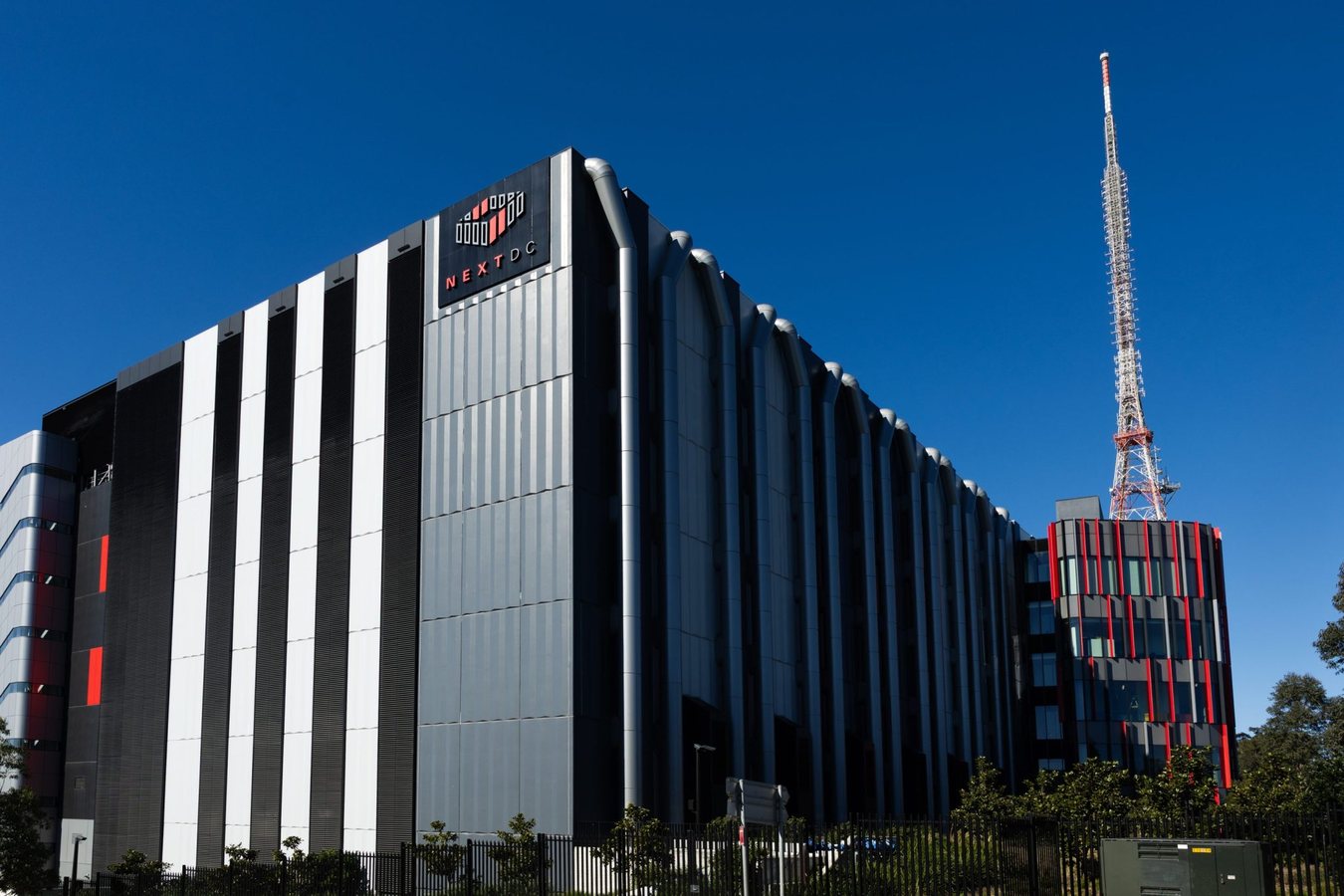
Shares in NextDC, an Australian data center operator, fell 41.7% after the Brisbane-based company sharply cut its annual revenue and earnings forecast, blaming community opposition and delays to grid upgrades for its M3 Melbourne facility. The plunge marks the latest blow to a sector already under pressure from investors reassessing the outlook for artificial intelligence infrastructure.
NextDC now expects annual revenue of between 475 million and 500 million Australian dollars, equivalent to roughly $333 million to $350 million, down from a previous forecast of 615 million to 640 million Australian dollars. The company also lowered its forecast for earnings before interest, tax, depreciation, and amortization to between 245 million and 265 million Australian dollars, or about $172 million to $186 million.
In a filing with the Australian Securities Exchange, NextDC attributed the setbacks to its M3 Melbourne data center. Jemena, the electricity provider supplying power to the site, suspended part of its improvement works last month and does not expect to restart them before February 2027. Chief executive Craig Scroggie said Jemena had suspended parts of the network works required for the next increase in grid supply to M3 Melbourne.
Scroggie said Jemena attributed the suspension to community and stakeholder opposition to the works and to the absence of local council consent pending further consultation. The company also cut capital expenditure by 750 million Australian dollars, about $527 million, and placed land acquisitions and new development projects on hold for the foreseeable future.
The dispute reflects broader tensions over data center construction in Australia, where residents have raised concerns about the strain such facilities place on power and water supplies and about worsening noise pollution. Similar protests have emerged in the United States as the buildout of computing infrastructure accelerates.
NextDC's decline caps a difficult stretch for data center and AI infrastructure companies. On Oct. 9, Australian data center operator Firmus abruptly canceled its Australian initial public offering, which was set to be one of the largest debuts in the country's history, and said it would raise funds through private markets instead. Investors were reportedly concerned about the company's debt and its lack of a track record in data center construction.
AirTrunk, a data center operator owned by Blackstone, decided on Oct. 13 to postpone a Singapore listing for its real estate investment trust, according to media reports. Bonds issued by U.S.-based neocloud CoreWeave fell below 80 cents on the dollar last week, a level that typically signals a company under financial strain. Tesla chief executive Elon Musk drew attention to the move with a post on his social media platform.
The pressure has extended to new listings. On Oct. 20, shares of South Korean cloud provider Elice Group plunged 32% on their first day of trading before recovering on Wednesday with a 30% gain, the daily limit. Singapore-based DayOne Data Centers is considering delaying or reducing the size of its upcoming U.S. IPO, according to Bloomberg, which cited unnamed sources. DayOne declined to comment to Bloomberg.
For NextDC, the revised guidance underscores how local planning and utility constraints can quickly alter the economics of large data center projects. The company's decision to pause new development and land purchases suggests it is conserving capital while it waits for the Melbourne grid works to resume, a timeline that now stretches well into 2027.
7