5 minBusiness
Whole Foods Expands Beauty Aisles With Affordable Brands
Whole Foods is repositioning itself as a beauty destination, stocking roughly 100 brands at a time and courting emerging labels with exclusive lines and lower prices than prestige retailers like Sephora.
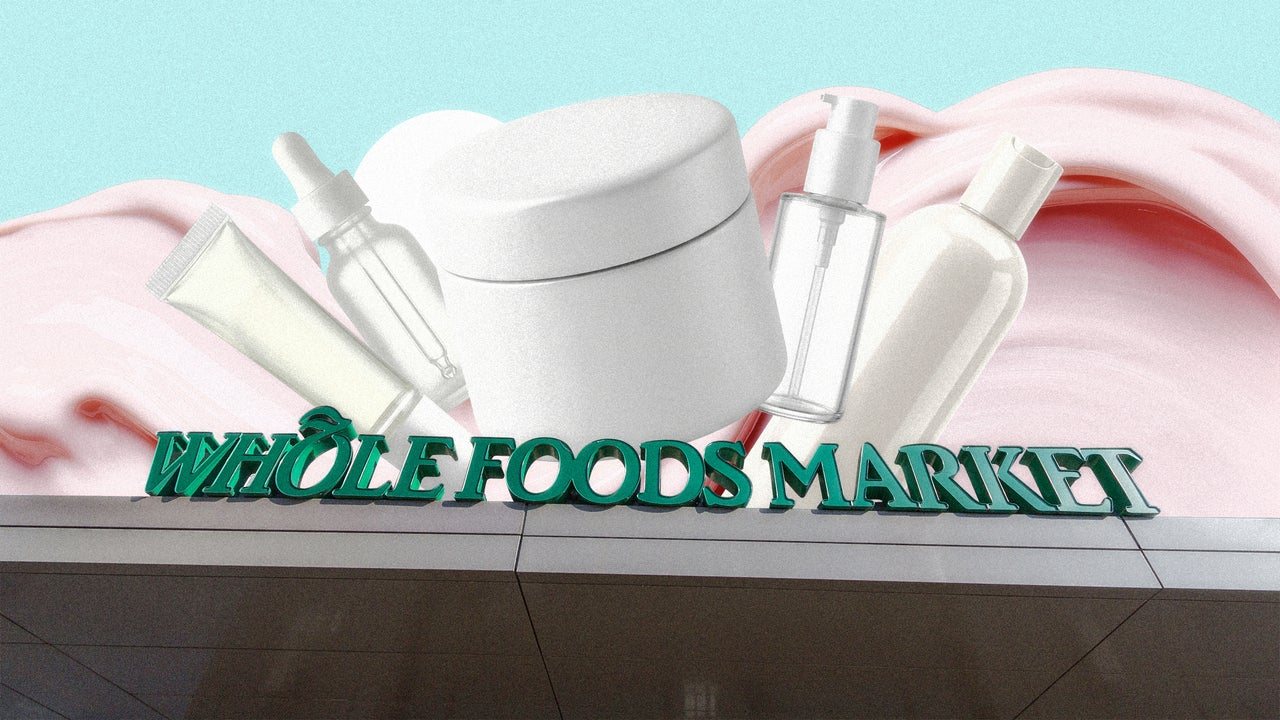
Whole Foods Market, long known for organic produce and premium grocery prices, is quietly remaking itself into a destination for affordable beauty products. Over the past two years, the Amazon-owned grocer has expanded its beauty sections with dozens of new brands, positioning itself as an alternative to prestige retailers such as Sephora and Bluemercury at a moment when shoppers are watching their budgets.
In any given week, Whole Foods sells products from about 100 beauty brands, according to Kat Stevenson, the retailer's senior category merchant for beauty. That is a fraction of Sephora's roughly 400 brands, but the grocer is betting that a tightly edited selection of clean products at accessible prices can win over cost-conscious shoppers. The strategy appears to be gaining traction: Stevenson said in-store customers are not reducing their overall spending, but are shifting a share of it from groceries toward categories such as beauty.
The push comes as inflation and economic uncertainty have made consumers more careful with their money, including the higher-income households that have traditionally shopped at Whole Foods. Some of those shoppers have been trading down to lower-priced grocers, and Walmart has reported market-share gains among households earning more than $100,000 and $200,000 a year. While Whole Foods' grocery aisles carry a reputation for high prices, its beauty shelves skew toward the accessible end of the market, well below what shoppers expect to pay at premium beauty stores.
Beauty is a large and growing business. Americans spent $36 billion on prestige beauty products last year and another $72.7 billion on mass-market beauty, according to market research firm Circana. McKinsey estimates the global beauty industry's value at $450 billion. But the barriers to launching a brand have fallen sharply, and the market has become crowded. NielsenIQ has identified 2,200 independent beauty brands generating more than $1 million in annual sales, and 57 generating more than $50 million.
That saturation has made shelf space at major retailers more valuable than ever. Sephora and Ulta Beauty have long been the most coveted outlets, but brands told Fast Company that securing space there can cost hundreds of thousands of dollars in fixtures, require exclusivity agreements and often demand venture capital funding. Whole Foods is offering an alternative, and emerging labels are courting its merchants with exclusive lines and by reformulating products to avoid the roughly 200 ingredients the grocer bans.
Indie Lee, a brand that helped pioneer clean skincare 15 years ago, recently debuted a Botanicals line exclusively at Whole Foods. Other additions include Cocokind's electrolyte water cream and Magic Molecule's skin spray, alongside longtime staples such as Pacha bath bombs and Dr. Bronner's soaps. Whole Foods added 10 new beauty brands in 2026.
The timing reflects a broader shift in the beauty market. Growth in prestige beauty cooled to 4% in 2025 from 14% in 2023, while Ulta, which mixes drugstore staples with higher-end brands, saw sales grow nearly 10% to $12.4 billion last fiscal year. Stevenson said Whole Foods recognized about two years ago that its beauty aisle tilted toward expensive merchandise and was not delivering the newness shoppers wanted. «We saw we were maybe losing our customers a little bit, and we needed to revive our space,» she said.
Whole Foods is also leaning on its reputation for ingredient standards to differentiate itself from other affordable beauty retailers such as Target and Ulta. Stevenson said customers have become knowledgeable enough to judge value for themselves, and a Circana survey found that only 14% of consumers believe higher prices signal better quality. «They also don't necessarily have the budget for it,» she said of elaborate skincare routines.
4