5 minWorld
Ukraine reports 76 legally effective anti-corruption convictions in six months
NABU and SAPO also opened 360 investigations and named 107 suspects, including former senior officials, while defense and energy cases remained central to their work.
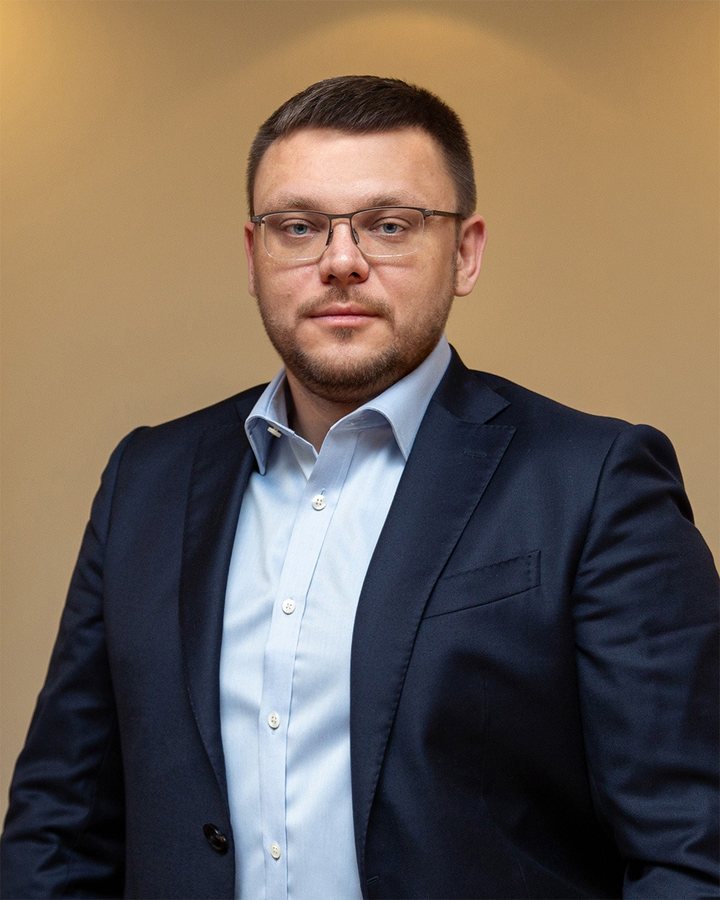
Ukraine’s anti-corruption institutions reported 55 guilty verdicts involving 76 people that became legally effective in the first half of 2026, alongside a new wave of investigations reaching former senior officials in the presidential administration and energy sector.
The National Anti-Corruption Bureau of Ukraine and the Specialized Anti-Corruption Prosecutor’s Office said they opened 360 investigations from January through June. Investigators notified 107 people that they were suspects. Prosecutors also sent 56 indictments involving 106 defendants to court. The categories are distinct, and the agencies’ own report separates unresolved allegations from convictions.
One of the most prominent unresolved investigations concerns a former head of the Presidential Office. NABU and SAPO say he and six others are suspected of laundering more than 460 million hryvnias through a luxury residential development in Kozyn. Investigators allege that nearly $9 million was connected to a corruption scheme involving Energoatom, Ukraine’s state nuclear energy company. The investigation remains open.
A former energy minister has also been notified of suspicion. NABU alleges money laundering and participation in a criminal organization and says that, during the minister’s time in office, the organization received more than $112 million in cash through a trusted intermediary from illegal energy-sector activity. No court has established the former minister’s guilt in that case.
A separate case involves a former deputy head of the Presidential Office. Investigators allege that more than 141 million hryvnias in green-tariff payments were improperly obtained in connection with electricity attributed to solar facilities in Russian-occupied parts of the Zaporizhzhia region. That inquiry likewise remains subject to the presumption of innocence.
Ukraine’s war has made defense corruption a particularly high-stakes category. NABU’s report highlights investigations into alleged theft of military property, the alleged embezzlement of more than 32 million hryvnias in a Ukroboronprom-related scheme, and an alleged demand for a $1 million bribe in exchange for signing an FPV-drone procurement contract. Different suspects and cases are at different stages of proceedings.
The report also lists cases with completed judicial outcomes. In April, the Appeals Chamber of the High Anti-Corruption Court kept a six-year prison term for former State Fiscal Service chief Roman Nasirov after reviewing his appeal. In June, the High Anti-Corruption Court approved a guilty plea agreement with former Supreme Court chief Vsevolod Kniaziev and imposed a five-year prison sentence, along with confiscation measures.
The agencies attach a financial measure to their first-half work. NABU’s detailed report calculates more than 2.06 billion hryvnias in economic effect: over 864 million reimbursed to the state, more than 139 million in assets transferred to the Defense Forces, 726 million saved in drone procurement, more than 321 million confiscated under court decisions and a smaller amount obtained through civil confiscation.
The international dimension is increasingly important. NABU says cooperation with European Union law-enforcement institutions and international partners is aimed not only at strengthening anti-corruption institutions but also at protecting international aid, EU funds and resources intended for reconstruction. In April, one suspect in a separate agricultural state-enterprise case was extradited to Ukraine from Germany.
That institutional context overlaps with European financing. In May, the Council of the European Union approved another Ukraine Facility payment of nearly €2.8 billion and said the underlying reform steps included measures on public financial management, the judicial system, fighting corruption and money laundering, and public-asset management. Anti-corruption enforcement therefore sits at the intersection of domestic accountability and international confidence in Ukraine’s recovery.
The report does not establish guilt in the new high-profile investigations simply by naming them. Its strongest measure is the separation between allegations and legally effective judgments. For outside observers, that separation is central to assessing whether Ukraine’s anti-corruption institutions are functioning as law-enforcement bodies rather than as instruments of political accusation.
53