5 minWorld
Ukraine honors Musk as Starlink remains central to wartime communications
Zelenskyy awarded Elon Musk the Order of Freedom for protecting lives and advancing Ukraine-U.S. relations. The state honor highlights Starlink’s critical role while leaving unresolved disputes over the network’s use beyond Ukraine.
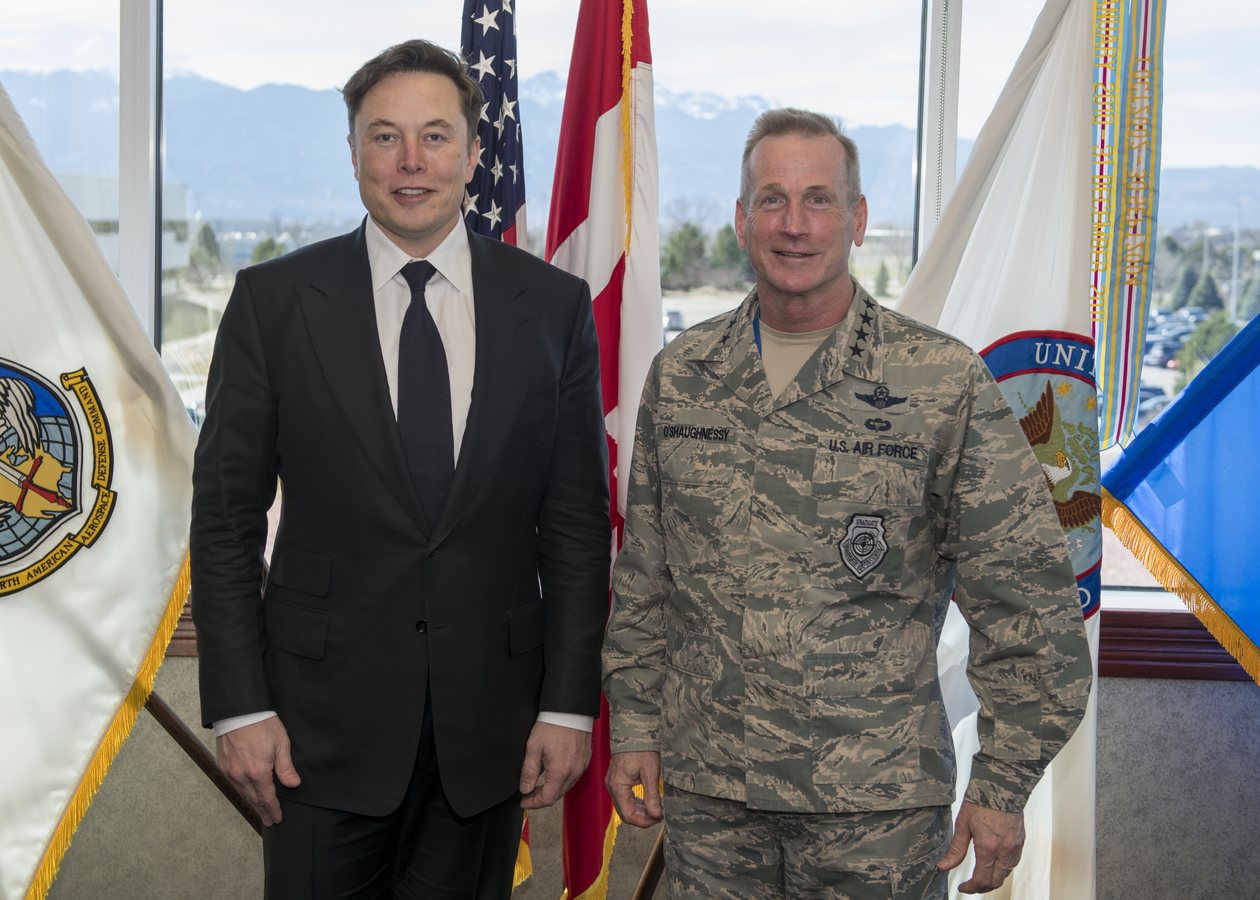
KYIV — President Volodymyr Zelenskyy has awarded Elon Musk the Order of Freedom, placing the American technology executive among foreign figures Ukraine has recognized for exceptional contributions to the country’s independence and freedoms. The presidential decree, No. 835/2026, was signed on August 26 and cites Musk’s personal merits in protecting human life and freedom and in developing relations between the peoples of Ukraine and the United States.
The decree names Musk as an entrepreneur, engineer and the head of SpaceX and Tesla. It does not specify a single act behind the award. The broader wartime record, however, centers on SpaceX’s Starlink network, which became a critical communications tool after Russia’s full-scale invasion in 2022.
Starlink terminals gave Ukraine a way to restore connectivity rapidly in places where conventional networks had been damaged. Civilian services and government institutions used the system, while the military integrated satellite connectivity into battlefield communications. The network’s value increased as Ukrainian forces expanded their use of drones and other data-intensive systems.
The arrangement is unusual because the infrastructure is privately owned. U.S. policy toward Ukraine is decided by elected officials and federal agencies, but SpaceX controls the technical operating rules for Starlink. In a war where connectivity can affect command, reconnaissance and unmanned systems, those private decisions can carry strategic consequences.
That has produced repeated disputes between Musk and the Ukrainian government. Musk has criticized Zelenskyy and questioned parts of Ukraine’s war strategy. He has also opposed broader operation of Starlink over Russian territory, arguing that he does not want the service to contribute to an escalation. Ukrainian officials have sought greater latitude for some defense-related uses and continue to pursue negotiations.
The same corporate control has also worked in Ukraine’s favor. Russian forces acquired Starlink terminals through unauthorized channels, despite SpaceX saying it did not sell the service to the Russian government or military. The company took steps to restrict such use, and those measures disrupted communications for Russian units that had adopted the terminals.
Ukraine’s Order of Freedom is one of the country’s highest state honors. It is intended for outstanding contributions to sovereignty and independence, democratic development and the protection of rights and liberties. Foreign citizens may receive it. The language of Zelenskyy’s decree links Musk’s award specifically to the protection of lives and to ties with the United States.
The decision is notable because it comes without any pretense that relations between Musk and Kyiv are smooth. It reflects an institutional judgment that a recipient’s concrete contribution can be recognized even when the government strongly disagrees with some of his statements or later decisions. In that sense, the award is closer to a record of service than a declaration of political alignment.
It also illustrates a broader shift in national security. Governments increasingly rely on infrastructure owned by private technology companies, from satellite communications and cloud computing to cybersecurity and artificial intelligence. Those services can be deployed quickly and operate across borders, but the companies that run them retain leverage over access and technical limits.
For Ukraine, Starlink has been both a source of resilience and a reminder of that leverage. Kyiv’s next challenge is to secure predictable access as the war changes and its technological needs evolve. Whether the Order of Freedom becomes the beginning of a more stable relationship with SpaceX or simply marks gratitude for past assistance will depend on negotiations that remain active long after the decree itself is signed.
73