4 minWorld
Trump weighs next steps in unpopular Iran war after GOP midterm losses
With the midterms over and Democrats now in control of the House and Senate, President Trump faces a fraught choice on how to proceed in the Iran war, which most voters say was the wrong decision.
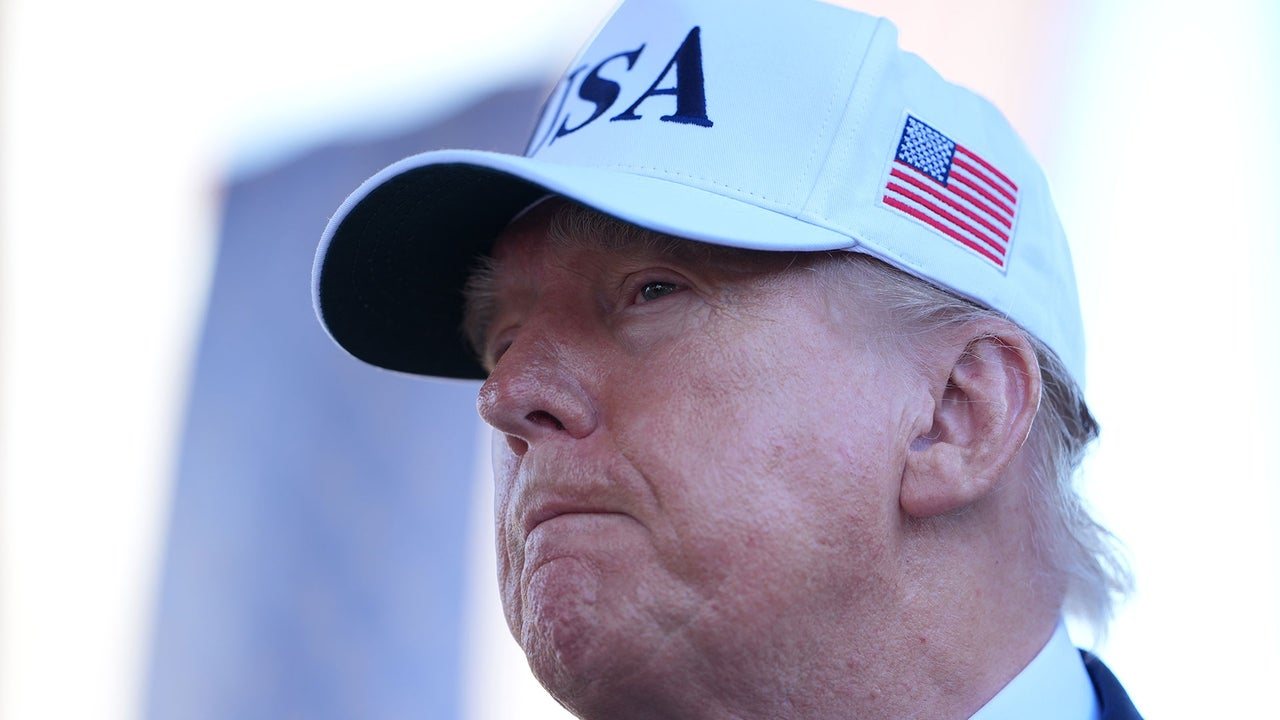
President Donald Trump faces a difficult choice on Iran after Republicans suffered major losses in the midterm elections, which handed Democrats control of both the House and the Senate. The war, now about eight months old, remains unpopular with voters, and Trump has signaled he is weighing options that range from limited strikes to a diplomatic arrangement.
Polling cited in recent reporting found that about six in 10 voters believe the Iran war was the wrong decision, while only about one-third said the conflict was crucial to how they cast their ballots. Cost of living and corruption ranked higher among voter concerns, meaning the war was not the dominant issue for much of the electorate even as it weighed on the outcome. Vice President JD Vance publicly blamed the war for the Republican losses. Trump, for his part, has said he would fight the war again, a position that sets him apart from a large share of the public that now views the conflict as a mistake.
The fighting has continued in a pattern of strikes and counterstrikes for much of the past eight months, with neither side producing a clear end point. Trump has threatened a renewed full-scale bombardment if no acceptable settlement is reached, which would mark a return to the most intense phase of the campaign. Among the options under discussion are limited «defensive» strikes combined with a naval blockade on Iranian oil, which would target the economic lifeline of Tehran without committing to a wider assault. A more dramatic option would be a strike on the buried Pickaxe Mountain nuclear site, a hardened target whose destruction would carry obvious military and diplomatic consequences. A third path is a so-called «fig leaf» deal that would reopen the Strait of Hormuz in exchange for partial sanctions relief, allowing Trump to claim a settlement without fully yielding on core demands. Any escalation against Iranian infrastructure would likely push energy prices higher, a risk that sits uneasily with voters already anxious about what they pay at the pump.
The stakes extend well beyond Iran itself. Oil is currently flowing through the Strait of Hormuz under escort by the US Navy, keeping one of the world's most important shipping lanes open even as the conflict continues. The fighting has also spread to the Red Sea, where Houthi forces are battling a Saudi-led coalition, and the humanitarian situation in Yemen is worsening. Brent crude fell below $95 a barrel after the election, reaching a two-month low, which offered some relief to markets. Gasoline prices, however, remain a major concern for American voters, and any renewed escalation threatens to reverse that easing.
Pressure is also coming from abroad. Israeli Prime Minister Benjamin Netanyahu has pressed Trump for renewed strikes, but Trump has not committed to that course. Regional officials reportedly expected Trump to act more freely once the election was over, a calculation that reflects the view that domestic political constraints had shaped his choices in the lead-up to November. Mediators, meanwhile, see some cause for optimism about a diplomatic path, though significant obstacles remain. It is still unclear whether Trump will resume large-scale strikes, and whether a negotiated settlement with Iran is achievable at all.
Source: fastcompany.com
5