4 minWorld
Taliban reportedly bans women's names in official records in Balkh province
Taliban authorities in Afghanistan's Balkh province have reportedly ordered that women be identified by degrading terms instead of their names in official documents, raising fears the restriction could spread nationwide.
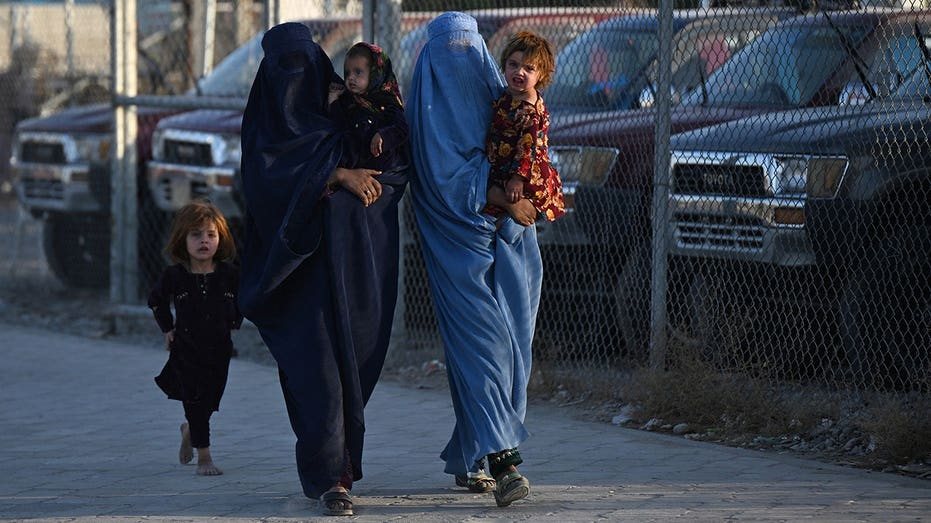
The Taliban have reportedly banned the use of women's names in official documents in Balkh province, a northern Afghan province, with some women being referred to by degrading animal names. The reported restrictions extend to medical records and prescriptions, raising concern that the measure could spread across the country.
According to reporting by the Spanish newspaper El País, healthcare workers and other public employees have been instructed to address women as «Bibi,» a term meaning grandmother or old woman. Reporting by the Afghan outlet Zan Times and The Guardian, cited by El País, indicates that some women are also being referred to with terms such as «goat» or «cow.» Afghan women's rights activist Lalah Osmany, based in Germany, told El País that testimony from women, doctors and civil rights activists points to a systematic process of dehumanization. An Afghan activist speaking under a pseudonym confirmed the reported order to El País, though she said it had so far been ignored.
Zubaida Akbar, who directs the Afghanistan program at the women's rights organization Femena, warned that the Taliban could eventually impose the ban nationwide, pointing to earlier cases in which local restrictions were expanded across the country. Femena has counted more than 144 decrees restricting Afghan women's rights, according to El País. Girls have been barred from studying beyond age 12, and women have been shut out of most professions and restricted from speaking in public.
Osmany also warned that the reported naming ban could endanger female patients by increasing the risk of medical errors if prescriptions and records are filed under identical names. Afghan women already face severe barriers to medical care under Taliban rule, including restrictions on male doctors treating female patients and bans on women pursuing medical training, according to El País.
The pressures on women extend beyond health care. According to Associated Press reporting published November 17, some Afghan women have turned to underground businesses and secret schools in defiance of Taliban restrictions. One Kabul beauty salon owner, who spoke on condition of anonymity for her safety, reopened her business after authorities raided her previous salon and confiscated her equipment. She told the AP that authorities now will not even allow that, saying that for women in Afghanistan, working has become a crime. An assistant teacher at a secret school in Kabul described living in constant fear of arrest.
Mohammad Aslam, a spokesman for the Taliban's Ministry for the Promotion of Virtue and Prevention of Vice, defended the broader restrictions in comments to the AP. He said women could conduct business and social affairs provided they adhered to Islamic Sharia law and existing laws.
The reported naming restrictions come against a backdrop of earlier gains that have since been reversed. In 2017, Osmany launched a campaign to have Afghan women's names included on official documents, including children's birth certificates. Despite receiving death threats from extremists, her campaign helped secure a change in 2020 allowing mothers' names to be voluntarily included on such documents. That progress was short-lived. The Taliban returned to power in August 2021 as the U.S.-backed Afghan government collapsed during the chaotic U.S. military withdrawal led by then-President Joe Biden, leaving the country again under Islamist control. Five years later, Afghan women and girls have seen hard-won freedoms stripped away. «Calling a woman by her real name in Afghanistan is an act of resistance,» Osmany told El País.
Source: foxnews.com
9