6 minWorld
Taiwan to propose 16% rise in defense-related spending for 2027
The Cabinet's plan would take a broad defense total above NT$1.1 trillion, extending a buildup focused on readiness and deterrence amid persistent pressure from China.
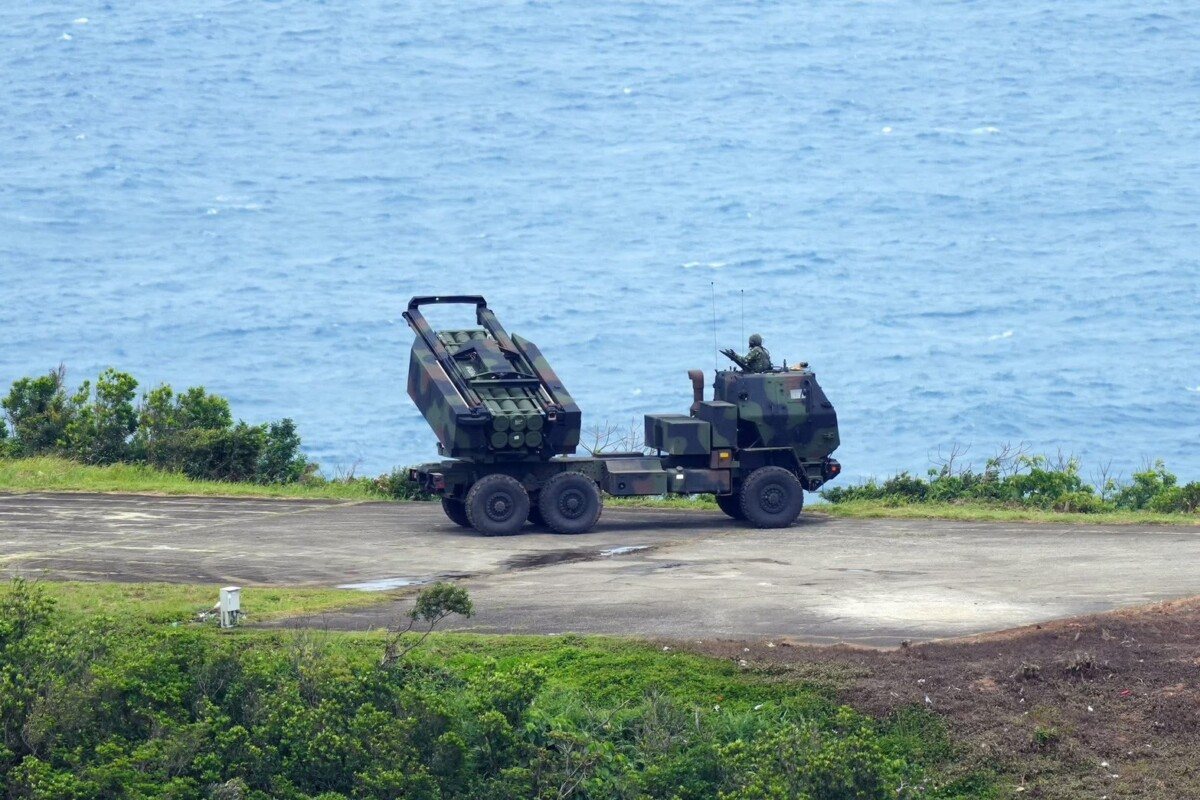
Taiwan’s Cabinet plans to propose an approximately 16% increase in defense-related spending for 2027, taking the government’s broad NATO-style calculation above NT$1.1 trillion for the first time, Reuters reported on Aug. 9. The proposal is expected to be formally unveiled on Aug. 20 and will then enter the island’s political and legislative budget process.
The total is broader than the Ministry of National Defense’s own appropriation. Taiwan includes veterans’ retirement payments, Coast Guard spending and special defense programs when it presents the NATO-standard figure. For 2026, the MND says that total is NT$949.5 billion, equal to 3.32% of GDP. The ministry’s own budget is NT$806 billion.
That accounting distinction is significant because a 16% increase in the broad total does not mean every category of military procurement will rise by the same amount. Some of the spending is tied to personnel obligations and maritime law-enforcement functions. The Aug. 20 release should provide a clearer breakdown between the core defense budget, special projects and the other items included in the aggregate.
Taiwan’s government has already signaled that higher spending is intended to persist. The MND says its policy is to maintain defense expenditure at no less than 3% of GDP while ensuring steady and sustainable growth. It has cited readiness, maintenance, strategic stocks, resilient communications and continued military investment among the areas that require consistent funding.
The ministry links that policy to security pressure from the People’s Republic of China. In official statements, it has said varied Chinese military activity has compressed warning times and created a need for capabilities able to survive and operate under sustained pressure. Beijing maintains that Taiwan is part of China and opposes what it describes as separatist activity. Those sharply different positions remain at the center of cross-Strait tensions.
Taiwan’s modernization plan places particular emphasis on asymmetric and resilient systems. A special-budget concept for 2026 through 2033 listed precision artillery, long-range precision missiles, air and missile defense systems, anti-armor weapons, unmanned platforms and counter-drone capabilities. It also included equipment to sustain operations, AI-assisted systems and C5ISR networks. The MND initially estimated a ceiling of NT$1.25 trillion for the broader program.
Lawmakers have not accepted every element of the government’s proposals unchanged. In May, the Legislative Yuan passed a separate U.S.-arms framework capped at NT$780 billion. Taiwan’s defense ministry said the law did not include some direct commercial purchases and domestically commissioned production that had been part of the broader concept. The disagreement illustrated the role of the legislature in setting both the scale and composition of defense spending.
Domestic shipbuilding is another major component of the buildup. Official budget documents provide for seven follow-on indigenous submarines after the Hai Kun prototype, with an overall program budget of NT$284.0808 billion and an implementation period through 2038. The program is intended to expand undersea capabilities while building local expertise in ship construction and systems integration.
The 2027 proposal therefore fits within several overlapping efforts: a larger annual budget, special procurement programs, expanded domestic production and long-term force restructuring. Its effectiveness will depend on whether funding can be converted into delivered equipment, trained personnel, sufficient stocks and reliable command networks. Large appropriations by themselves do not guarantee operational capability.
The next step comes on Aug. 20, when the Cabinet is expected to provide the details. Lawmakers will then decide how much of the proposal survives intact. The process will be watched closely because the budget is a measurable indication of how Taiwan assesses the risk environment and how much of its economic capacity it is prepared to devote to defense.
The broader regional concern remains deterrence without escalation. Taiwan presents the buildup as an effort to reduce the likelihood of attack by making a rapid military success less plausible. China objects to military and political steps it sees as challenging its sovereignty claim. The combination makes budget choices part of a larger security contest in which both capability and signaling matter.
Implementation will provide the next set of facts. Once appropriations are approved, officials and lawmakers can be judged against delivery schedules, unit readiness, stock levels and the resilience of communications and logistics. Those measures are less visible than a single annual budget figure, but they are more closely connected to military effectiveness. A delayed system or an undertrained unit does not become more useful because its funding line is large.
The proposal will also reveal how Taiwan balances gray-zone pressure with preparation for a major conflict. Coast Guard funding belongs in the broad total precisely because security challenges can occur below the threshold of conventional war. Maritime patrols, surveillance and law enforcement are part of the daily contest over presence and control. The final allocation should show how Taipei divides resources between that constant pressure and the much more demanding requirements of high-intensity defense.
50