5 minWorld
Russian Reservist Blocked From Leaving Country in First Known Case
A 24-year-old man who completed compulsory service in 2024 was stopped at Krasnodar airport under a military commissariat decision. The rights group reporting the case says it is too early to infer a blanket ban on reservists.
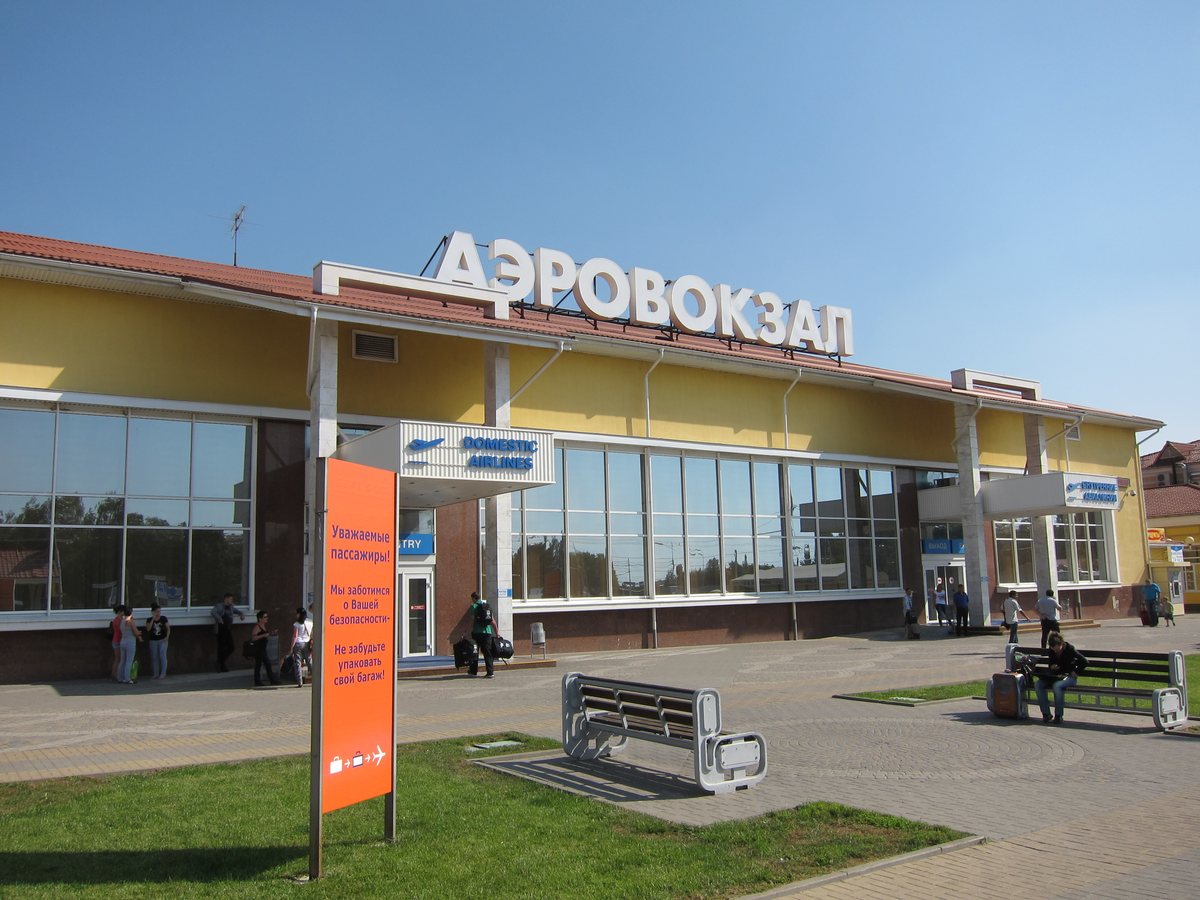
A 24-year-old Russian man who had already completed compulsory military service was prevented from leaving the country on Sept. 2 at Krasnodar airport, in what the rights project «Идите лесом!» describes as the first case known to it in which a reservist was actually stopped at the border because of a military commissariat decision.
The man, a resident of the Rostov region, served in the Russian military in 2024 and was then placed in the reserve. According to the project, border officers pulled him aside for additional questioning during passport control. Roughly an hour later, he was denied departure and given an official notice stating that his right to leave Russia had been temporarily restricted.
The distinction between a conscript and a reservist is central to the case. Russia’s electronic summons system already provides a mechanism to restrict travel by citizens subject to compulsory call-up once a summons is entered into the official registry. The relevant provisions of Russian law do not expressly establish a blanket automatic exit ban for everyone already in the reserve.
The reservist told «Идите лесом!» that he had received a summons in November 2025 to update his military registration information. He says he appeared at the military commissariat as required and was given a mobilisation assignment. Later, however, the same summons appeared in the electronic system with a status indicating that he had failed to report.
After that entry, the military commissariat issued the temporary travel restriction, according to the project. The man said he did not see a warning before his trip and learned of the restriction only at passport control. He later filed a complaint through Russia’s Gosuslugi public-services portal and tried to obtain an official registry extract containing the decision number.
The legal language makes the episode potentially significant. Article 7.1 of Russia’s military service law and Article 15.1 of its exit and entry law refer to citizens subject to conscription for military service when describing the automatic travel restriction linked to a summons. They do not explicitly say that all reservists are automatically barred from leaving the country.
A previous case had raised similar concerns without producing a confirmed border refusal. Another reservist saw an exit restriction listed in the registry, but the local military commissariat said the summons itself was a “system error.” That left open the question of whether the restriction would actually be enforced at a border checkpoint. The Krasnodar case shows that, at least once, it was.
At the same time, travel restrictions have become more visible among men still subject to regular conscription. Based on people who contacted «Идите лесом!» in the second half of August, 73 conscripts tried to leave Russia directly; 50 succeeded and 23 did not. Some reported learning about the restriction only during border processing. Those figures represent cases reported to the project, not comprehensive national statistics.
The new case therefore does not establish that Russia has quietly closed its borders to all reservists or all draft-age men. The organization that reported the incident explicitly cautions against that conclusion. It does show that Russia’s digital military-registration system and border controls can combine to impose a real-world restriction on someone whose formal status is already reserve.
What happens next will matter more than the first incident alone. If the man’s complaint results in the restriction being canceled, the case may point to a serious registry or administrative error. If similar refusals emerge for other reservists, it would suggest a broader shift in how military authorities are using travel controls during a period of heightened concern over manpower and mobilization.
76