4 minWorld
Russia Expands Drone Launch Sites as NATO Reinforces Eastern Flank
At least 10 Russian sites have gained new or expanded long-range drone infrastructure. NATO says it is reinforcing air defenses after recent violations and incidents.
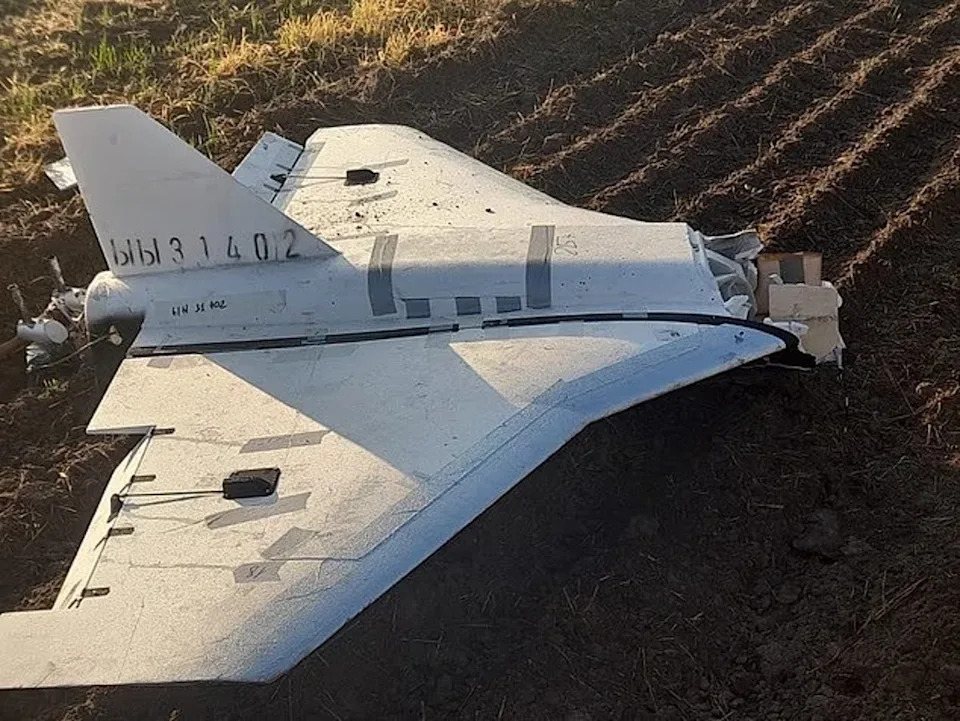
Russia has expanded long-range drone launch infrastructure along its western approaches, according to satellite-image analysis cited by several security publications, creating more capacity for strikes on Ukraine and a broader potential threat to NATO’s eastern flank.
The reporting identified at least 10 sites near Russia’s borders with Ukraine and Belarus. Analysts counted dozens of new launch rails, while open-source tracking cited by The War Zone indicated that seven of the 10 sites had already been used for attacks on Ukraine. The Institute for the Study of War said the construction was likely intended primarily to increase Russia’s ability to launch larger and more dispersed strike packages against Ukrainian targets.
That current use is a key qualification to some of the most alarming claims circulating around the findings. There is no evidence that the facilities have only one purpose or that they were built exclusively for attacks on NATO. They are already part of Russia’s continuing air campaign against Ukraine.
At the same time, their location and the range of newer Russian attack drones create a separate planning problem for NATO. Public assessments say the network can put additional Allied territory within potential reach. A NATO official told Interfax-Ukraine that the Alliance was closely monitoring Russian long-range strike capabilities and drone activity and had the plans and forces needed to deter and defend against threats.
The new infrastructure arrives amid a wider pattern of concern on the eastern flank. On Aug. 12, NATO condemned recent Russian airspace violations affecting Poland and Romania and said members were strengthening integrated air and missile defenses from the Baltic to the Black Sea. The Alliance described the incidents as dangerous and said they showed Russia’s growing tolerance for risk.
European intelligence warnings have added another layer. Reuters reported that Poland and the Baltic states were tightening protection around dams, power facilities and other critical infrastructure after allied intelligence raised the possibility of Russian provocations or false-flag drone attacks. Officials discussed scenarios involving Ukrainian-made or captured drones, but the reporting did not establish that an operation had been approved or that a strike was imminent. The Kremlin dismissed the warnings.
U.S. intelligence assessments reported by CNN have also considered whether Russian President Vladimir Putin might test NATO unity with a limited action in the coming years. Those assessments ranged from cyber activity to a small military incursion and did not identify a specific imminent attack on Poland.
For NATO, the issue is therefore not a single predicted strike. It is a change in capability. Russia is building a more distributed long-range drone architecture that makes sustained attacks on Ukraine easier and gives Moscow more options in any future confrontation. The Alliance’s answer is increasingly centered on surveillance, air defense, counter-drone systems and protection of critical infrastructure before a crisis forces those systems to be used at scale.
58