4 minWorld
Kremlin-linked sources say nuclear option is discussed more often
Bloomberg reports that more Russian officials see tactical nuclear use in Ukraine as a possible last resort. The same report says there are no signs Moscow is preparing to cross the nuclear threshold.
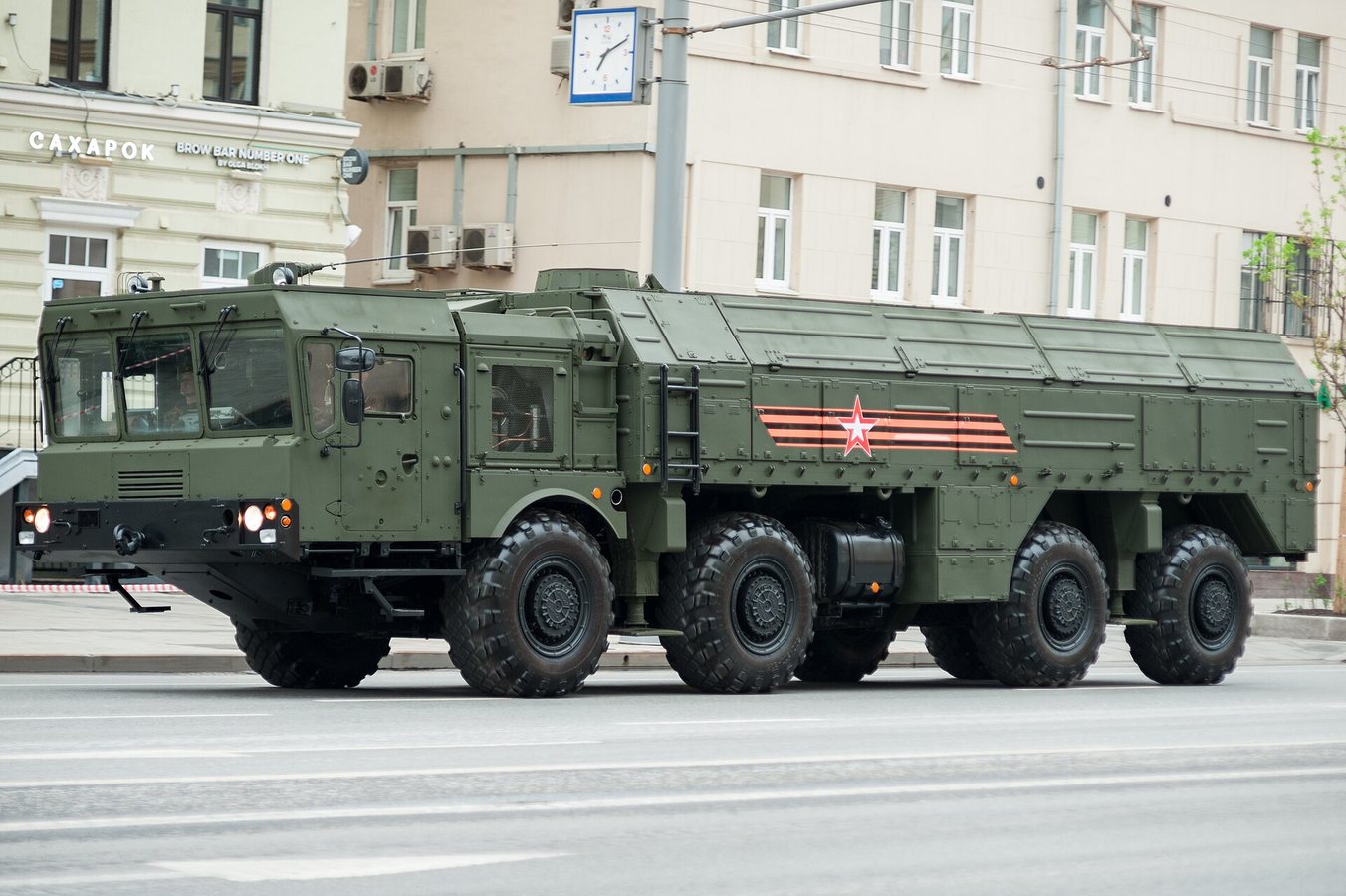
A growing number of Russian officials believe President Vladimir Putin could eventually consider using a tactical nuclear weapon in Ukraine as an extreme last resort, according to Bloomberg, which cited people close to the Kremlin. The report is significant because it describes a change in internal assessments around the war, but it does not establish that Putin has made such a decision.
Bloomberg makes an equally important point: there are currently no signs Russia is preparing to use tactical nuclear weapons in Ukraine. No public evidence cited in the report shows an operational order, a move toward immediate deployment, or another concrete step that would convert discussion into action. The distinction matters in a conflict in which nuclear language has repeatedly been used for signaling and intimidation.
The nearer-term escalation described by the same sources is conventional. Russia is considering more intense ballistic-missile strikes on Kyiv, including the center of the capital, and on infrastructure in other Ukrainian cities, Bloomberg reported. The sources portrayed peace efforts as deadlocked and said Moscow sees fewer diplomatic paths to achieve its war aims.
Pressure from Russian hard-liners has also become louder. Reuters reported in June that nationalist figures were urging Putin to abandon talks and escalate after Ukrainian strikes deep inside Russia. Some publicly called for tactical nuclear weapons. At that point, the Kremlin had not embraced their most extreme proposals, and Putin appeared to be maintaining the existing strategy. That earlier episode is useful context for the new Bloomberg account: nuclear demands were already present in the political environment before the reported shift among officials.
Russia’s formal nuclear policy also changed during the war. In November 2024, Putin approved updated Basic Principles of State Policy on Nuclear Deterrence. The document sets out the official conditions under which Russia says it may proceed to the use of nuclear weapons. It is a strategic framework, not a standing order to fire, and it cannot by itself establish the intention behind the latest anonymous assessments.
Open-source estimates underline both the scale of Russia’s arsenal and the need for precision when describing readiness. The Bulletin of the Atomic Scientists estimated in 2026 that Russia possessed about 4,400 nuclear warheads in its military stockpile, including roughly 1,800 nonstrategic weapons. Its researchers also said there was no indication that nonstrategic warheads are routinely mated to their launchers under normal circumstances.
Alexander Gabuev, director of the Carnegie Russia Eurasia Center, told Bloomberg that the risk of Russian tactical nuclear use remains extremely low. His reasoning is strategic: a tactical nuclear strike would have limited military utility on a dispersed battlefield while carrying an enormous political cost. As long as Moscow retains room to escalate through conventional missile attacks, it has less incentive to cross a threshold that has not been crossed in war since 1945.
For policymakers in Washington and NATO capitals, the report is therefore a warning about escalation dynamics rather than evidence of an imminent nuclear strike. The most relevant next indicators will be actual changes in Russian force posture, official decisions and the scale of conventional attacks. Until those appear, the nuclear scenario remains a serious but unconfirmed possibility discussed by sources, not a demonstrated plan.
80