4 minWorld
Fire near Romania’s Plauru follows reported explosion as drone activity intensifies
A fire broke out across the Danube from Ukraine's Izmail port after residents reported an explosion. A drone is suspected, but Romanian authorities have not yet identified its type or origin.
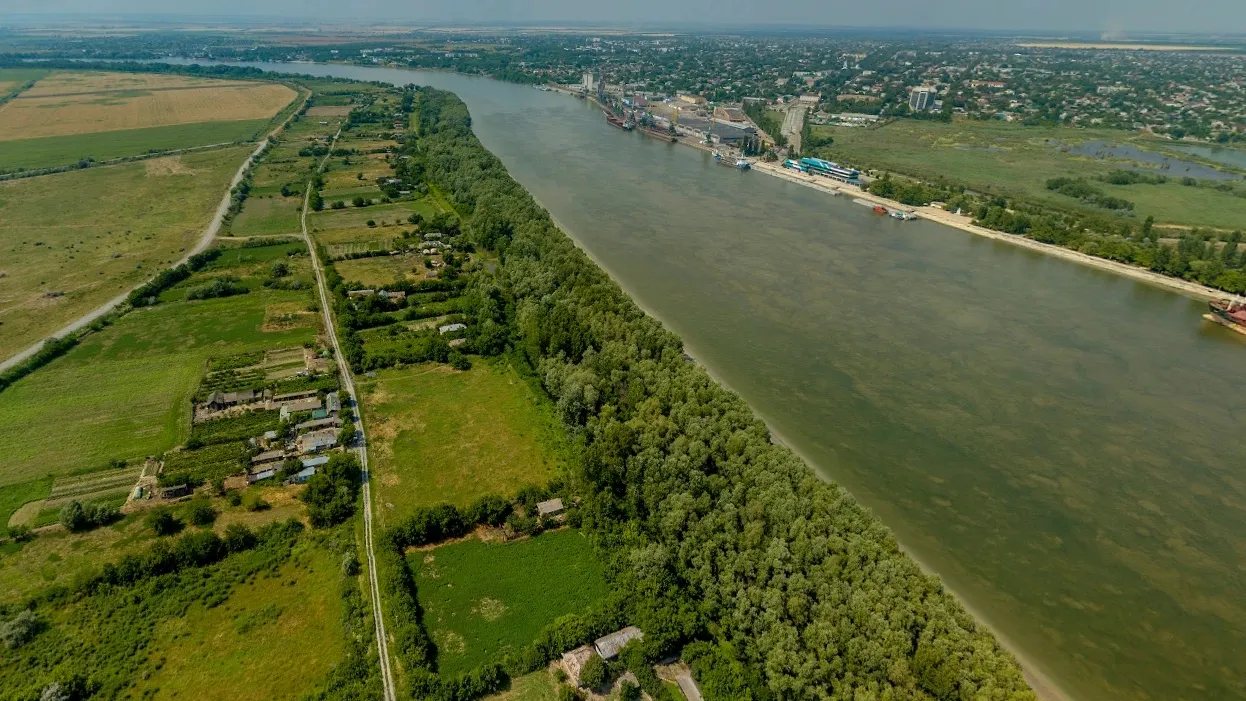
A fire broke out Wednesday evening in a wooded area near Plauru, Romania, a Danube border village directly across from the Ukrainian port of Izmail. Romania's state forestry administration, Romsilva, said the blaze began at about 5:50 p.m. and initially affected roughly half a hectare. Residents told forestry workers they had heard an explosion and believed an exploding drone was the most likely cause.
That account has not yet become an official technical finding. The Romanian reports issued by Romsilva, emergency service ISU Delta and public broadcaster Radio România do not identify a drone model or country of origin. They do not establish that the object was a Russian Shahed or Geran. Any such conclusion would depend on investigators finding and examining debris after the fire is fully extinguished.
The location makes the incident unusually sensitive. Plauru sits about 200 meters across the Danube from Izmail, one of Ukraine's key river ports. Russia has repeatedly attacked port and logistics infrastructure along the lower Danube with drones, bringing the physical effects of the war close to Romanian territory. The Izmail district administration reported another enemy aerial attack overnight into Aug. 26, saying air defenses prevented hostile drones from reaching their targets in that nighttime episode.
Romania had already been on alert earlier Wednesday. Military radar detected an aerial target about five miles north of Vylkove, Ukraine, near the Romanian border. The Romanian Air Force launched an IAR-330 PUMA SOCAT helicopter to monitor the situation, and residents in northern and eastern Tulcea County received a RO-Alert warning around 1:15 p.m. The alert ended at 2:44 p.m. Romania's Defense Ministry said no entry into national airspace had been reported during that earlier event. There is no public evidence tying that target to the later fire at Plauru.
Firefighters had to reach the area by boat. ISU Delta said nine personnel from its Tulcea detachment deployed to the scene, joining forestry workers, local volunteer responders and residents. The agency later said the fire had been localized and that about 2,000 square meters of dry vegetation were affected at that point in the response.
The suspicion of a drone is not occurring in a vacuum. On Aug. 16, Romania's Defense Ministry said a drone entered Romanian airspace from Moldova about 24 kilometers north of Galați. A Spanish F-18 conducting air-policing duties received authorization to engage and shot down the drone. In earlier incidents near Plauru, Romanian investigators identified debris from Russian-origin Geran1/2 drones.
Those cases demonstrate that drones from the war have crossed or reached Romanian territory before. They do not, however, identify the object involved in Wednesday's fire. For a NATO member, the distinction between an intentional strike, a drone that strayed off course, a vehicle damaged by Ukrainian air defense and falling debris is significant. The legal and military implications differ sharply even when the physical result on the ground can look similar.
The next decisive information is likely to come from a search of the burn area. Components, explosive residue or airframe fragments could establish whether a drone caused the blast and, if so, what system it was. Until then, the confirmed facts are narrower than the most alarming version circulating online: there was a fire on Romanian territory, local residents reported an explosion and suspected a drone, and the incident occurred at a border already under repeated pressure from Russia's drone campaign against Ukraine.
41