6 minSports
Revenue Sharing and NIL Reshape College Basketball's Talent Market
New financial rules and the transfer portal are changing how programs build rosters, with mid-major schools facing growing pressure to retain their best players.
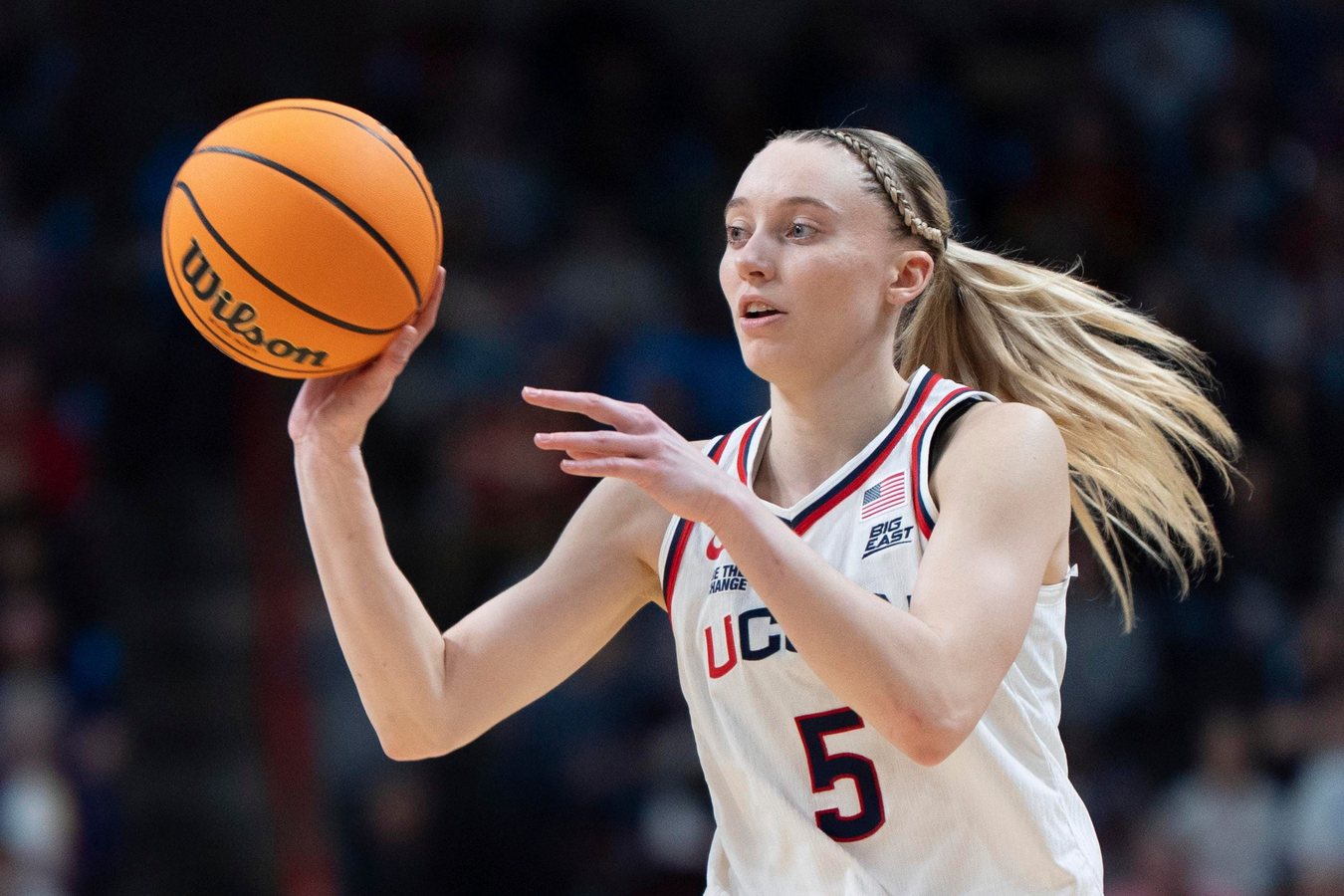
The economics of college basketball have shifted dramatically in the name of name, image, and likeness, and the consequences are being felt most acutely at programs outside the sport's power conferences. A combination of direct revenue sharing with athletes, third-party NIL deals, and the transfer portal has created a market in which player value is no longer measured solely by points, rebounds, or assists. It is now also measured by marketability, social media reach, and the revenue a player can help generate for a university athletic department.
That shift has made it harder for mid-major programs to hold onto their most talented players. When a standout guard or forward at a smaller school has a breakout season, larger programs with deeper pockets and bigger platforms can offer a more lucrative package of revenue-sharing money and NIL opportunities. The result is a talent drain that repeats each offseason, forcing mid-major coaches to rebuild their rosters rather than build on continuity.
The transfer portal has accelerated this dynamic. Players can now move more freely between schools, and the immediate eligibility that typically accompanies a transfer means there is little cost to leaving. For a mid-major star, the calculus is straightforward: a move to a high-major program can mean more exposure, better competition, and a significantly larger financial return. For the school left behind, the loss is both athletic and financial, as the player who drove ticket sales, merchandise, and donor interest is suddenly wearing a different uniform.
Revenue sharing has added another layer. Under the new model, athletic departments can distribute a portion of their earnings directly to athletes, which means the total compensation available at a school depends heavily on the size of its media rights deals, conference payouts, and donor base. Power-conference programs generate far more revenue than their mid-major counterparts, so they can offer larger shares without straining their budgets. Mid-majors, by contrast, must decide whether to stretch limited resources to keep one or two key players or spread that money across the roster.
NIL collectives have become central to this equation. These organizations pool money from boosters and businesses to fund deals for athletes, and their effectiveness varies widely. At some schools, collectives function like professional front offices, negotiating contracts and arranging appearances. At others, they are volunteer-run operations with far less capital. That disparity gives high-major programs another advantage in recruiting and retention, even when the underlying basketball fit might be better at a smaller school.
The pressure is not limited to mid-majors. Coaches across the country are adjusting to a world in which roster management resembles free agency. They must evaluate not only a player's on-court skills but also his market value, his willingness to share the spotlight, and his potential to attract corporate partners. Some programs have hired general managers and salary-cap specialists to navigate the new landscape, a clear sign that college basketball is adopting the structures of professional sports.
For players, the changes have brought both opportunity and uncertainty. A talented athlete can now earn meaningful money while still in school, and the portal gives him leverage to seek a better situation. But the same market forces that create those opportunities can also leave players without a roster spot if a program decides to allocate its resources elsewhere. The stability that once came with a four-year scholarship is no longer guaranteed.
The long-term effect on competitive balance remains an open question. If the biggest programs can consistently outspend everyone else, the gap between the power conferences and the rest of college basketball could widen. That prospect worries administrators who value the NCAA tournament's tradition of upsets, when a well-coached mid-major can knock off a blue blood. If those mid-majors cannot keep their best players, the tournament may lose some of the unpredictability that makes it a national obsession.
Some mid-major coaches are responding by recruiting differently. They target players who may be overlooked by larger programs, develop them quickly, and accept that they may leave after a strong season. Others emphasize culture, playing time, and a family atmosphere as counterweights to money. Whether those appeals can compete with seven-figure offers is the central question facing the sport.
What makes a college basketball player valuable in the NIL era is therefore a blend of athletic production and commercial appeal, filtered through the financial realities of the school that signs him. The old model rewarded loyalty and patience. The new one rewards leverage and timing. For mid-majors, the challenge is to find value where others do not, and to hold onto it for as long as the market allows.

4