4 minSports
LSU holds off adding NFL-tied players as SEC legal fight continues
LSU did not add former Ole Miss players Dae'Quan Wright or Zxavian Harris to its roster by Friday's deadline, even as a judge's injunction allows athletes with NFL ties to play. The decision comes amid an escalating SEC lawsuit against the school and coach Lane Kiffin.
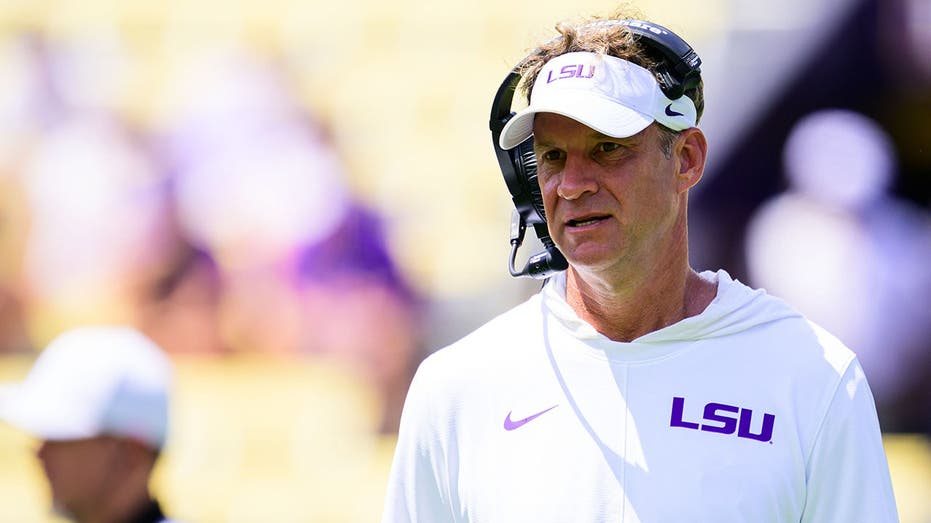
LSU did not add two former Ole Miss players with NFL ties to its roster by Friday's deadline, a decision that temporarily defuses a confrontation with the Southeastern Conference while a federal lawsuit over the matter proceeds. Multiple sources confirmed the Tigers left Dae'Quan Wright and Zxavian Harris off the official roster submitted before the season opener against Clemson, though the school retains the option to add them later.
The move follows a preliminary injunction granted Thursday by Judge William Jorden of the 19th District Court of Louisiana. That ruling allows athletes who had professional ties to be rostered by different schools for the upcoming season. Wright and Harris, both former Ole Miss players, told OutKick they expected LSU to add them before the deadline. The SEC enacted an exemption in April permitting teams to add players who are enrolled full-time as students, which would have allowed LSU to include them at any point during the season.
The dispute stems from the NCAA's new "five-for-five" eligibility rule, which gives athletes five years to play five seasons. A group of players from the 2022 recruiting class filed suit seeking an additional season of eligibility, and that case has since expanded into a legal battle involving five parties. During Thursday's hearing, SEC Commissioner Greg Sankey testified that any conference school rostering players with professional ties would violate newly created rules about eligibility for those with NFL experience.
Three minutes after Sankey took the stand, the SEC filed a federal lawsuit in a North Alabama court against LSU, Kiffin and school administrators. The conference argued it has a First Amendment right to freedom of association, allowing it to enforce its own membership rules. Sankey said under oath that the conference established that right "so that our conference can make decisions and our members can make decisions about membership."
The SEC's stance carries significant penalties. Conference presidents and chancellors authorized Sankey to enforce the rules with punishments that include a 50% suspension of the head coach and substantial fines for any school that violates the guidelines. The decision on whether to add Wright and Harris was not made by Kiffin alone. Multiple sources said school administrators, along with Louisiana Governor Jeff Landry and LSU President Wade Rousse, consulted with legal counsel throughout Thursday evening and all of Friday.
Attorney Ryan Downton, who represents the players, told OutKick that if LSU had added Wright and Harris and later removed them, he would have returned to the same courthouse to file a contempt of court order against the Tigers. With LSU declining to add them for the Clemson game, that immediate threat has passed, but the underlying legal questions remain unresolved. The SEC's federal lawsuit against LSU is still pending, and conversations among all parties are expected to continue as the season progresses.
The case has drawn attention across college football as other schools watch how LSU navigates the conflict. The SEC has signaled it intends to punish any program that rostered players with professional ties, and the outcome of this litigation could shape how conferences enforce eligibility rules going forward. For now, the focus shifts to the weekend's games while lawyers for all sides determine the next steps.

112