5 minSports
Orioles Owner's Remarks on Profits Undercut MLB's Salary Cap Case
Baltimore Orioles owner David Rubenstein told a Washington audience that baseball teams earn more than private equity firms, a comment that complicates the league's push for a salary cap ahead of a likely lockout.
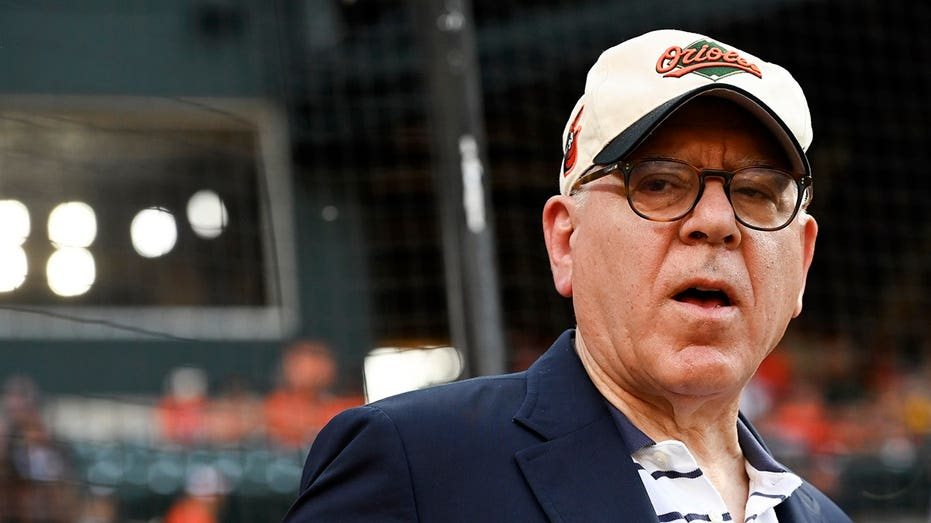
Baltimore Orioles owner David Rubenstein has given the league's salary cap campaign an unwelcome talking point. Speaking at the Economic Club of Washington, D.C., Rubenstein said he bought the Orioles partly because of how much money the club was making, telling a group of sports team owners that baseball franchises outperform his own industry.
«A lot of my friends were buying teams, and I realized they're making money. They're making more money than I'm making in private equity,» Rubenstein said, according to Baltimore Baseball. He added that he ultimately viewed the purchase as a philanthropic endeavor tied to his hometown, saying he wanted to help revive the team and the city.
The remarks land as Major League Baseball heads toward a confrontation with its players. The collective bargaining agreement between owners and the MLB Players Association expires Dec. 1, and the owners are widely expected to lock players out immediately afterward. A lockout would bar players from team facilities and contact with team personnel while negotiations on a new agreement proceed.
The central dispute is a salary cap, which owners have reportedly made their priority. The push follows anger over the Los Angeles Dodgers' spending after consecutive World Series titles. Los Angeles signed outfielder Kyle Tucker to a four-year, $240 million deal and closer Edwin Diaz to a three-year, $69 million contract, prompting complaints that the sport's competitive balance had collapsed.
The season has not cooperated with that narrative. Tucker was a below-average hitter in Los Angeles, and Diaz struggled through injuries and one of the worst relief seasons in the sport. The Dodgers won their division series and were then swept by the small-market Milwaukee Brewers. The American League pennant will go to either the Cleveland Guardians, who carry the league's lowest payroll, or the Tampa Bay Rays.
Those outcomes are not isolated. The Rays are one win from their second World Series appearance in seven seasons, more than the Yankees, Red Sox, Mets, Giants, Cubs or Angels have managed in that span. A Guardians appearance would be their second since 2016, again more than any of those clubs. The Brewers have posted the best record in baseball for two straight seasons.
Rubenstein's comments go further than results on the field. The admission that franchises are more profitable than private equity firms undercuts the argument that small-market teams cannot compete without a cap. Payroll data cited in the discussion shows that while the highest payrolls have risen substantially over the past decade, the lowest have stayed nearly flat, even as league revenue has grown and cumulative inflation since 2015 has exceeded 42 percent.
Revenue sharing adds another layer. Under the league's redistribution system, the Dodgers' success benefits clubs such as the Pirates, Orioles and Marlins by tens of millions of dollars annually. Some estimates place the Pirates' share at $60 million to $100 million before ticket sales, television revenue, advertising, parking, concessions, merchandise or non-baseball events.
Rubenstein did say that owners care more about winning than making money, while conceding they are «not against making money.» The league has not commented publicly on his remarks. Negotiations over a new collective bargaining agreement have not yet begun in earnest, and it remains unclear whether spring training or the 2027 regular season will start on schedule.
The stakes are significant for a sport enjoying a resurgence. Attendance and national ratings have climbed, and the National League Championship Series between the Dodgers and Brewers was the highest-rated LCS from either league since 2015 despite lasting only four games. Whether that momentum survives a prolonged labor fight may depend on how convincingly owners can argue that the system, and not their own balance sheets, is the problem.

6