4 minSports
Judge grants injunction allowing athletes with NFL ties to play for LSU and other schools
A Louisiana judge ruled in favor of athletes with professional ties, granting an injunction against the NCAA and SEC that allows them to be rostered this upcoming season. The decision came after a hearing where SEC Commissioner Greg Sankey testified for over three hours.
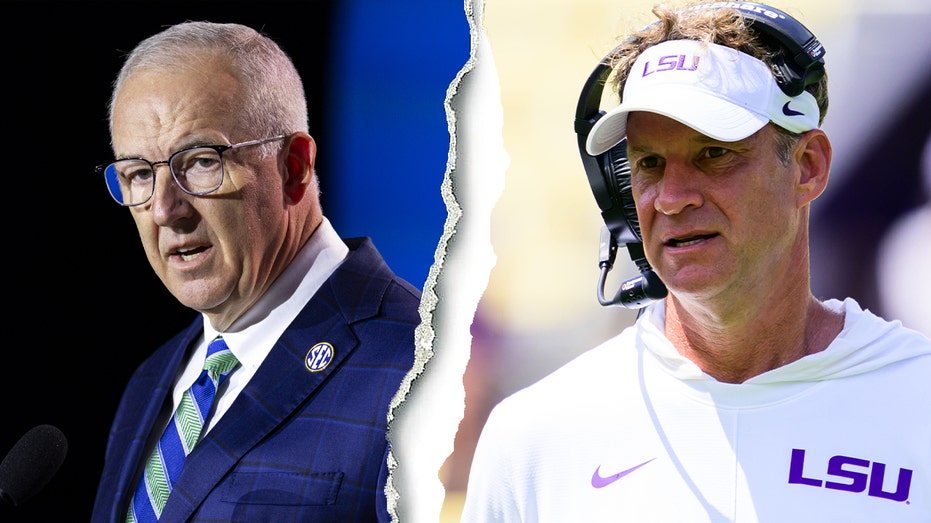
A Louisiana state judge has granted a temporary injunction against the NCAA and the Southeastern Conference, clearing the way for athletes with professional football ties to be rostered by LSU and any other school willing to take them this season. The ruling from Judge William Jorden in the 19th District Court in Baton Rouge came after a day of heated arguments over whether players who previously pursued professional careers should be allowed to return to college athletics.
The case centers on new eligibility guidelines enacted by the NCAA and SEC that restricted athletes with professional ties from returning to college play. Plaintiffs argued the rules unfairly stripped them of eligibility they had under previous guidelines, while the NCAA and SEC defended the restrictions as necessary to maintain competitive balance and the amateur model. LSU head coach Lane Kiffin has repeatedly stated the school was simply complying with an earlier court order that allowed the program to roster players such as former Cleveland Browns training camp tight end Dae'Quan Wright.
SEC Commissioner Greg Sankey spent more than three hours on the witness stand, fielding questions from plaintiff attorneys about why the conference permits athletes who played professionally overseas to compete beyond five seasons while denying the same opportunity to those who turned pro under earlier rules. The line of questioning appeared to resonate with the judge, who struggled to reconcile the conference's inconsistent application of its own standards.
Dramatic developments unfolded just minutes into Sankey's testimony when the SEC filed a federal lawsuit in Alabama against LSU and Kiffin, accusing them of orchestrating the recruitment of athletes who would later sue the conference in Louisiana. Plaintiff attorney Tony Clayton asked three times whether the SEC had filed the suit that morning, and lawyers on both sides began checking their phones as notifications confirmed the filing. The move was widely viewed as an attempt to shift the legal battle to a more favorable venue.
Louisiana Attorney General Liz Murrill attended the proceedings and opened her remarks to reporters with a brief cheer for the home team, underscoring the local stakes of the case. The crowd outside the courthouse, located just miles from LSU's campus, drew a heavy media presence as the dispute has grown from a single state court case into a national legal fight. Multiple athletes have now filed lawsuits against the NCAA and the SEC over the eligibility rules.
The plaintiffs spent the following hours attempting to demonstrate that the SEC colluded to enact the new guidelines in the days after the initial court order was issued in the same courthouse. That aspect of the case appeared to weigh heavily on Judge Jorden, who ultimately sided with the athletes. The injunction allows eligible players to join rosters for the upcoming season while the broader legal questions continue to be litigated.
The ruling marks another significant development in the ongoing battle over athlete eligibility and the boundaries between college and professional sports. With the injunction in place, schools across the country may now consider adding players with NFL or other professional experience, potentially reshaping rosters ahead of the season. The NCAA and SEC have not yet indicated whether they will appeal the decision.

54