4 minSports
WNBA Star Nneka Ogwumike Warns Prediction Markets Are Endangering Athletes
At the Fortune Most Powerful Women Summit, 11-time WNBA All-Star Nneka Ogwumike said prediction markets like Kalshi and Polymarket are exposing players to harassment and safety threats, calling the environment 'not a safe place for athletes.'
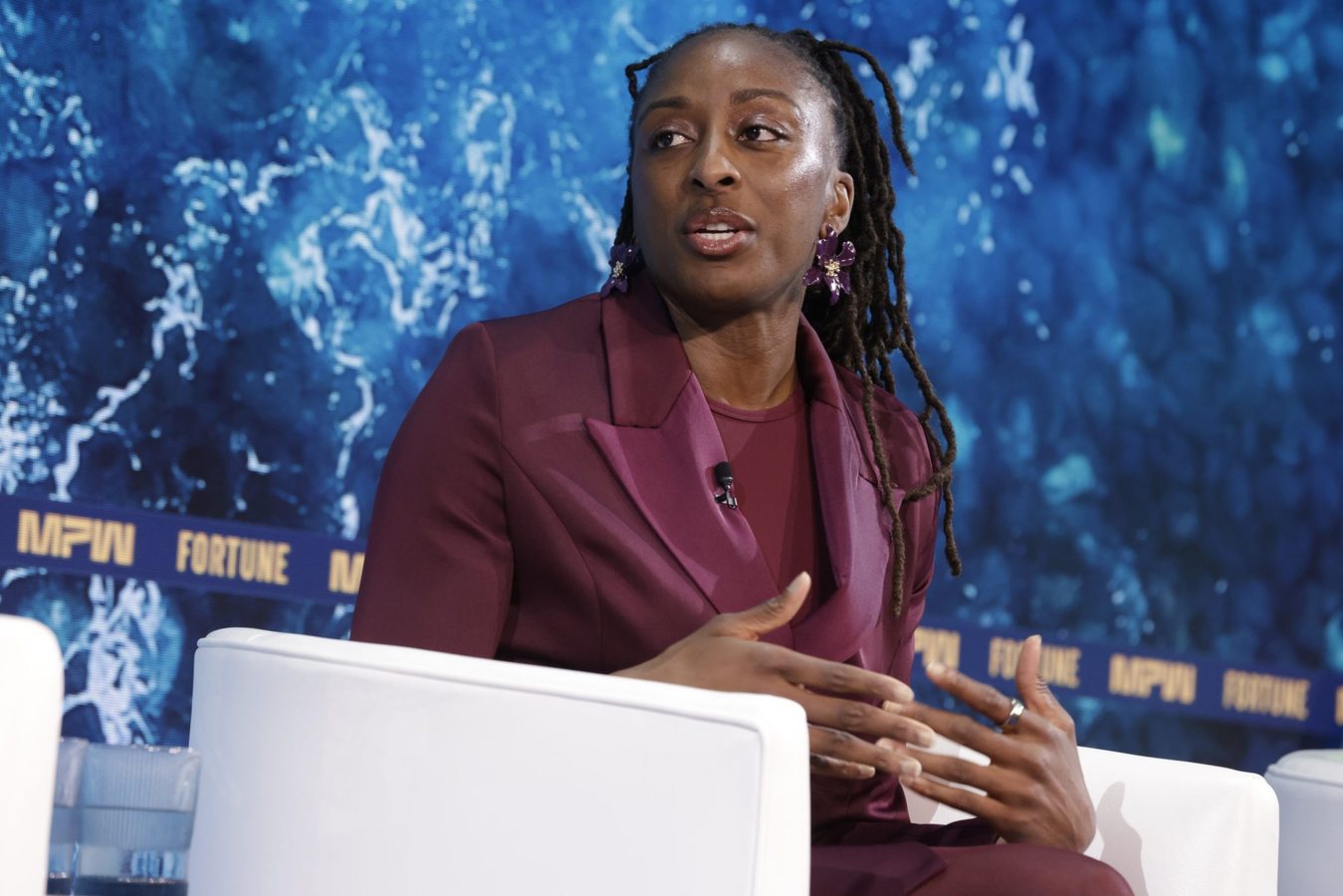
Prediction markets are creating a hostile and sometimes dangerous environment for professional athletes, 11-time WNBA All-Star Nneka Ogwumike warned this week, saying the vitriol directed at players over their performance has become a serious safety concern.
Speaking at the Fortune Most Powerful Women Summit in Santa Barbara, California, Ogwumike said platforms such as Kalshi and Polymarket are having a clear adverse impact on WNBA players. «It's not a safe place for athletes,» Ogwumike told Most Powerful Women editor Emma Hinchliffe. «I don't think I ever want to say that something is outrightly bad unless it absolutely is, but players are definitely having a hard time dealing with the vitriol that comes with prediction markets as it relates to our performance.»
Ogwumike, a former Los Angeles Sparks forward, 2016 WNBA MVP and one of the league's most decorated players, said the abuse is not always visible to the public. «There's been a lot of safety issues and concerns that haven't necessarily been publicly displayed,» she said. «Through the [players association] and through the WNBA, there's resources that are available to try and mitigate those things, but it doesn't mean that it stops players from experiencing things that could potentially and have potentially affected their performance.»
Prediction markets have grown rapidly as an alternative and supplement to traditional online sportsbooks. Because they are classified as financial exchanges rather than gambling platforms, they can bypass many of the regulations and restrictions that apply to sports betting operators. According to Dune Analytics data, Kalshi and Polymarket hit new records last week, reaching a combined weekly volume of $22.2 billion, driven by trading tied to NFL and NCAA events.
The concerns raised by Ogwumike echo findings from college athletics. The 2025 NCAA Growth, Opportunities, Aspirations and Learning of Students in College study found that more than half of Division I men's basketball players reported social media abuse based on their on-court performance. Of those, 46% said the highest rate of negative or threatening messages came from someone who had placed a bet on a game they played in.
On Tuesday, the NBA and WNBA announced a responsible gaming campaign in partnership with the National Council on Problem Gambling, aimed at educating fans about the risks of sports betting. The initiative signals that leagues are beginning to acknowledge the toll that betting-related harassment can take on players.
Ogwumike said those efforts are a start but not enough. She called for more action to protect athletes from abuse connected to sports betting, arguing that the resources available through the players association and the league do not fully shield players from the consequences.
The warning comes as prediction markets face growing scrutiny over their impact on sports and the people who play them. For athletes, the line between financial speculation and personal harassment is becoming increasingly difficult to manage, and Ogwumike's remarks put a spotlight on the human cost of the betting boom.

4