3 minSports
Jerry Koosman, pitcher of the 1969 Miracle Mets, dies at 83
Jerry Koosman, the left-handed pitcher who won Game 5 of the 1969 World Series for the New York Mets, has died at age 83, the team announced.
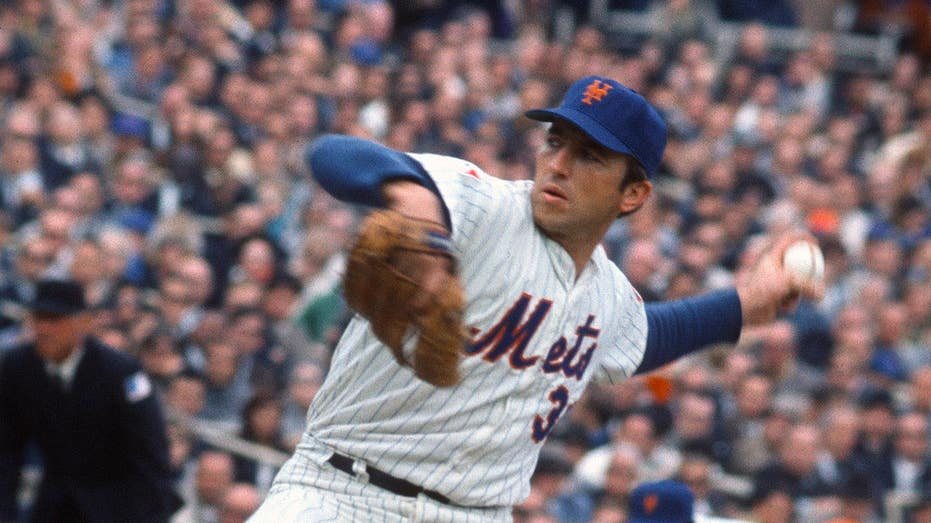
New York Mets legend Jerry Koosman died Sunday at age 83, the team announced. Koosman was the winning pitcher in Game 5 of the 1969 World Series, which gave the franchise its first championship. The squad of that year was known as both the «Amazin'» and «Miracle» Mets. Longtime team employee Jay Horwitz said on social media that Koosman had been battling «multiple illnesses».
The Mets, who began play in 1962, had never finished above.500 after just nine games in any of their first seven seasons. The 1969 team showed promise early and pulled away in the National League East in August. On Aug. 13 that year, the Mets trailed the Chicago Cubs by 10 games in the division. In less than a month, they took over first place and ran away with the division on the way to the title, a run that became part of the club's folklore, including the story of the infamous black cat that has been tied to the team's surge.
Koosman pitched to a 2.28 ERA that season, second on the team only to Cy Young Award winner Tom Seaver. The left-hander spent 12 of his 19 major league seasons in Queens before pitching for the Minnesota Twins, Chicago White Sox and Philadelphia Phillies. Across his New York tenure he posted a 3.09 ERA. He also finished second in the 1979 National League Cy Young Award voting, losing to Randy Jones.
The Mets retired his No. 36 in 2021, making him the third player in franchise history to have his number retired, after Seaver and Mike Piazza. Six others have since followed. Koosman's death was also noted by the Philadelphia Phillies, the club for which he pitched later in his career. A Forbes report described him as a former star trade acquisition who joined a division rival's Hall of Fame, a two-time All-Star and World Series champion whose career spanned multiple franchises.
Koosman's passing closes a chapter for one of the central figures of a 1969 season that transformed a young expansion club into champions within seven years of its founding. His contributions to that team, both in the regular season and in the Series, remain a defining part of the franchise's identity, and his No. 36 now hangs among the most honored numbers in Queens.

8