4 minSports
California High School Football Team Forfeits Game as Campus Controversy Erupts
A California high school football team has forfeited its upcoming game as a controversy involving a team captain and a Cornell University reference roils the campus, prompting student walkouts.
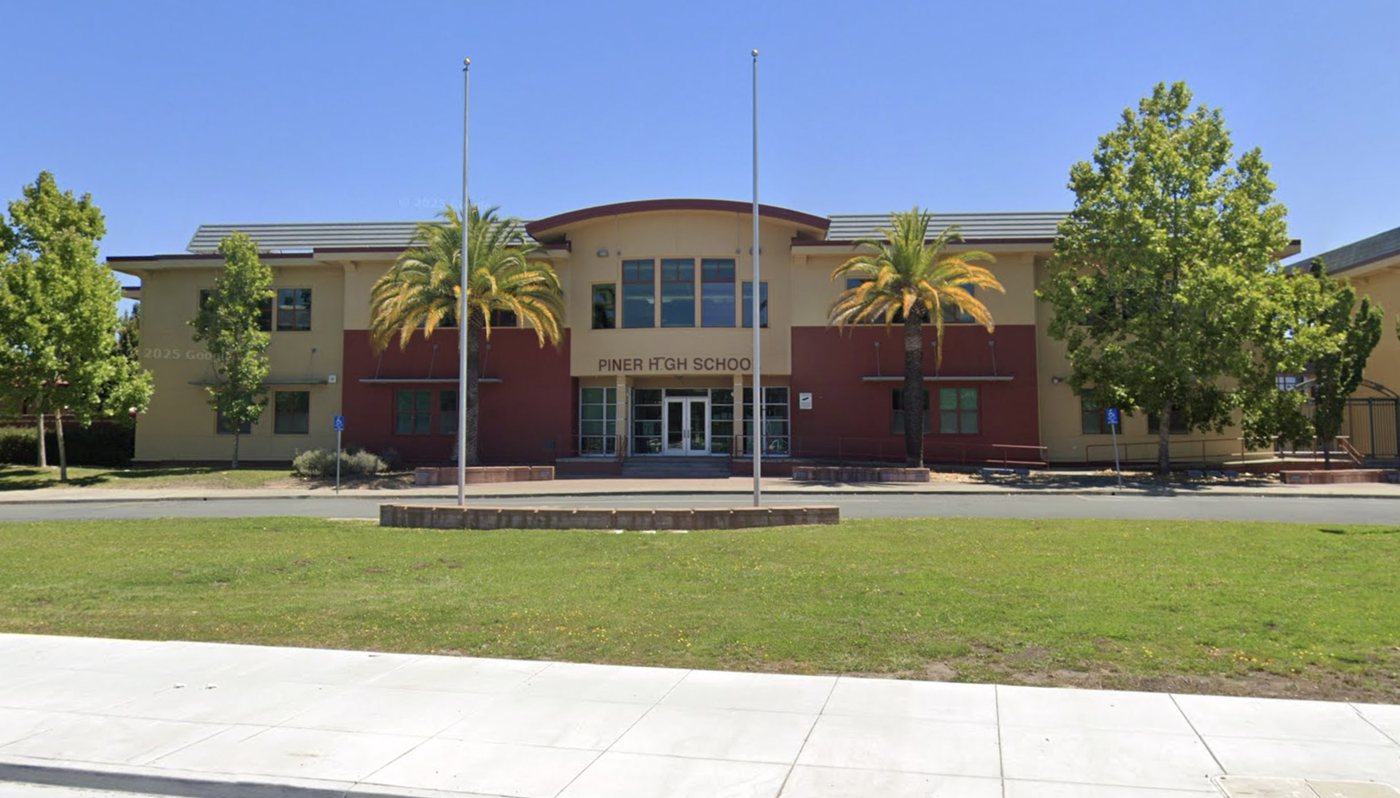
A California high school football team has forfeited its upcoming game as an explosive controversy unfolds on campus, according to reports. The decision to forfeit comes amid mounting tensions tied to a team captain and a reference to Cornell University that has sparked student walkouts and broader unrest at the school.
The controversy centers on a football captain whose association with a Cornell-related reference — details of which remain limited — has ignited a fierce reaction among students and community members. In response, students staged a walkout to voice their concerns, signaling that the dispute has moved well beyond the football field and into the broader life of the school.
The forfeiture marks a significant escalation in the dispute. By choosing not to play, the team avoids taking the field while the campus remains divided over the captain's situation. The move also raises questions about how school administrators will handle the fallout, including whether further disciplinary actions, investigations, or public statements will follow.
Student walkouts are a rare and visible form of protest, often indicating that a controversy has touched on deeply held concerns within a school community. In this case, the walkout suggests that the issue has resonated with a substantial portion of the student body, not just those directly involved in athletics. The decision by the football team to forfeit adds another layer of disruption, affecting players, coaches, opposing teams, and fans who had expected the game to proceed.
For the opposing team, the forfeit means an unexpected change to its schedule and possibly its season. For the California school, the focus now shifts to how it will manage the aftermath: addressing student grievances, supporting those affected, and determining what consequences, if any, will apply to the captain or others involved. School officials have not yet outlined their next steps publicly.
The incident reflects a broader pattern in American schools where athletic programs become focal points for wider social and political tensions. When a controversy involves a team leader, the stakes are heightened because captains are often seen as representatives of their schools and communities. The forfeiture is therefore not just a sporting decision but a statement about the seriousness of the situation on campus.
As the story develops, key questions remain unanswered: What exactly prompted the walkout? What is the nature of the Cornell reference at the center of the dispute? And how will the school balance accountability with the need to restore calm? For now, the forfeited game stands as the most concrete consequence of a controversy that shows no sign of fading.
The school has not announced whether the game will be rescheduled or canceled outright. Students, parents, and local observers are awaiting further word from administrators as the campus continues to grapple with the fallout.

7