4 minSociety
Why More Medical Testing Doesn’t Always Make Us Healthier
Direct-to-consumer medical imaging is a booming business, but radiologists warn that more information does not automatically lead to better health outcomes and can sometimes cause harm.
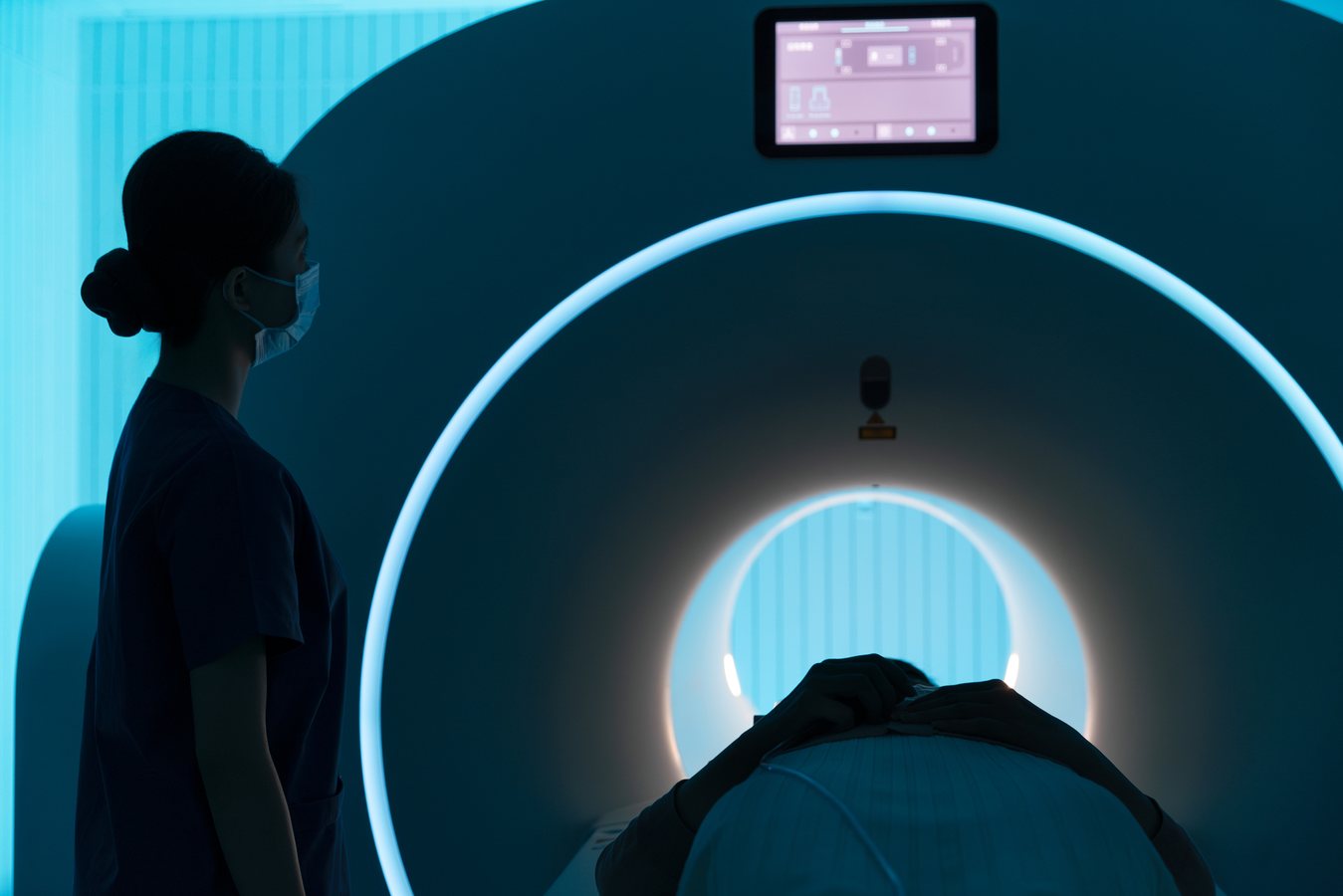
The direct-to-consumer medical imaging market is booming, with Americans spending billions of dollars on whole-body MRIs, coronary calcium CT scans, and vascular ultrasounds without a doctor’s referral. More than 100,000 people in the United States have already purchased such tests. But a leading radiologist cautions that the growing availability of granular health data does not necessarily translate into better health, and in some cases, it can cause real harm.
Dr. Saurabh Jha, a radiologist who specializes in turning imaging information into actionable health advice, explains that for a test to improve health, it must accurately predict or diagnose a condition, lead to a change in behavior, and ultimately produce a better outcome than not testing at all. This chain of events is far more fragile than most people assume. Whole-body MRI, for example, is not recommended by any medical guideline, medical society, or payer for the general public, precisely because there is no evidence that it improves outcomes.
The logic of early diagnosis seems intuitive, especially for cancer. Yet the medical literature shows that finding and treating certain small masses in the thyroid or kidney, even when they are cancerous, does not help most patients. Aggressive treatment of these incidental findings often leads to surgical complications, anxiety from a frightening diagnosis, and significant financial burden, all without extending life. The problem, Jha notes, is that once a test reveals something, it is extremely difficult for doctors and patients to ignore it, even when the best course of action is watchful waiting.
This phenomenon is not new. History is full of examples where diagnostic tests were promoted to millions of people before their benefits were confirmed, and only later did researchers realize that patients had been harmed by the downstream actions those tests triggered. The medical community’s obsession with evidence and statistics stems from this hard-learned lesson: common sense is a poor substitute for rigorous data when determining whether a test helps or hurts.
The key variable is not just the accuracy of the test, but the risk profile of the person being tested. A whole-body MRI in a patient with a cancer-causing genetic syndrome is far more likely to produce health benefits than the same scan in a healthy member of the general population. The harm rarely comes from the test itself, but from the cascade of procedures, biopsies, and surgeries that follow the discovery of information with unknown significance.
As direct-to-consumer testing reshapes the practice of medicine, Jha advises buyers to scrutinize what companies are actually claiming. Consumers should ask whether the product is a curiosity, an entertainment product, a research tool, or genuine clinical care. The lines are often intentionally blurred. The need for scientific support, informed disclosure, and regulatory compliance grows as a test moves from novelty toward clinical application. If a test has only been shown to provide information or make a diagnosis, or if its health benefits have only been demonstrated in patients with risk factors different from your own, skepticism is warranted. As the saying goes, buyer beware.
53