6 minSociety
Wealthy Families Rethink College Applications as Flaunting Privilege Backfires
Affluent families are increasingly hiding signs of wealth on college applications, as admissions officers view ostentatious displays as a liability rather than an asset. A $300,000 private jet tour and expensive summer programs are losing their appeal in an era of quiet luxury.
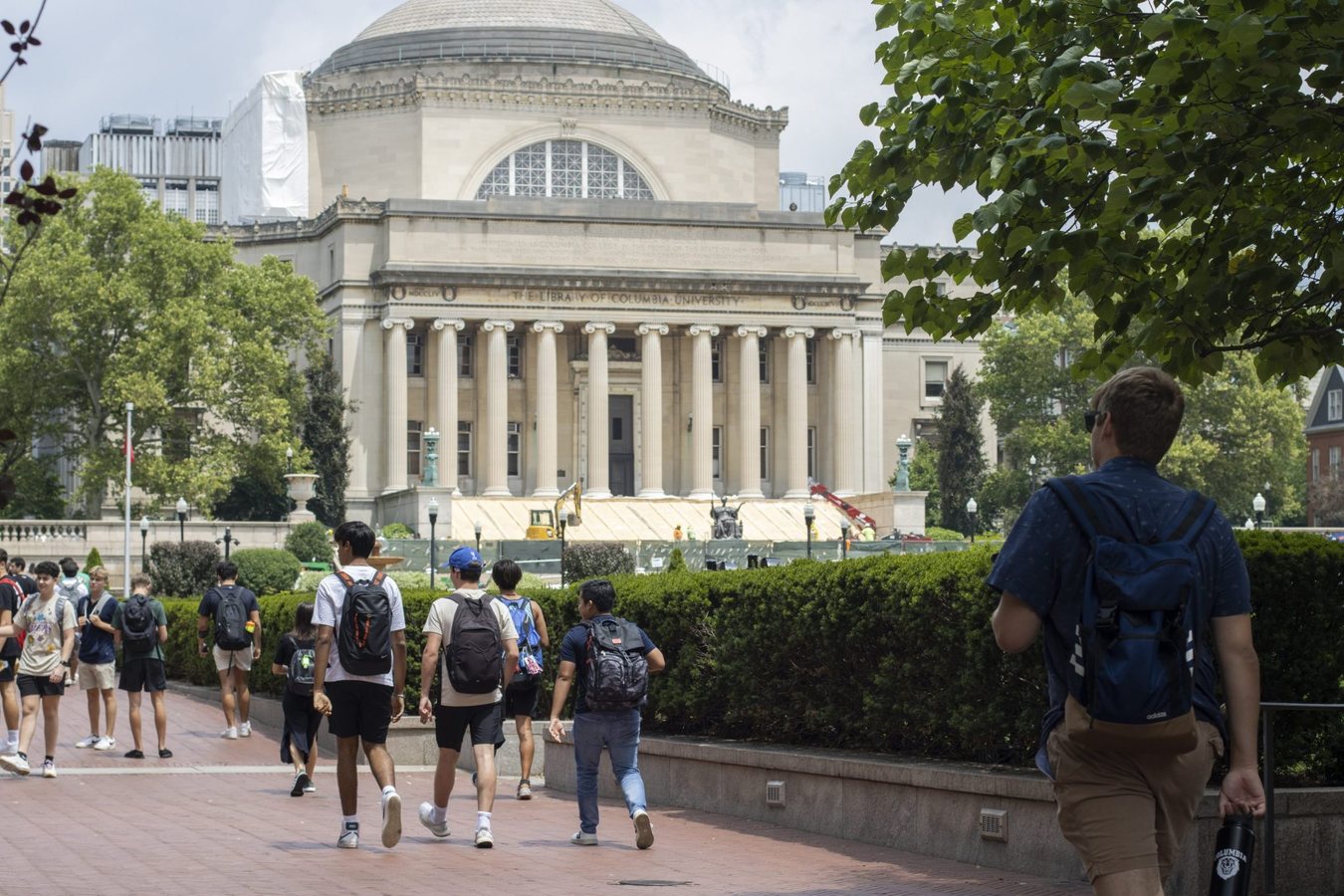
Wealthy families are learning that flaunting privilege on college applications can backfire, as elite universities increasingly favor authenticity and self-initiative over expensive experiences. A former University of Pennsylvania admissions officer and current senior consultant at Ivy Coach, who has worked with affluent families for 35 years, says sophisticated clients now avoid displays of wealth that could alienate admissions officers.
That marks a shift from two decades ago, when applications routinely included clues that made admissions officers wince. A student’s Costa Rica “service trip” might cost more than an admissions officer’s annual salary. Students “summered” in the Hamptons, apparently because even vacation needed to make the résumé. They interned at mom’s white-shoe law firm or dad’s wealth-management firm. The problem was not that these students were wealthy — admissions officers knew that — but that their boastful applications made it look as though their parents had constructed their résumés for them.
Today, sophisticated families are much more attuned to the optics of privilege. They are less likely to trumpet the Hamptons, rely on powerful family friends for recommendation letters, or believe that a famous name will unlock an acceptance. The consultant notes that a recommendation letter from President Clinton has not been seen in several years, after years of seeing at least one annually. College admissions, the consultant argues, is simply reflecting a broader cultural shift toward quiet luxury and stealth wealth. The millionaire next door today may not be a Hollywood mogul stepping out of a chauffeured Bentley. She may own a chain of auto-parts stores or a plumbing business, and you might never know she’s worth eight figures.
Yet some families seem to forget every lesson of quiet luxury the moment their child applies to college. They overengineer résumés with expensive summer programs, exotic service trips, connections, and experiences that practically announce what they cost. One competitor reportedly offers a $300,000, four-day tour per student-and-parent pair, taking seven such pairs to seven universities as part of what it calls the “Elevation Experience.” The itinerary promises a Gulfstream G650, private tarmac pickups, chauffeured cars, Four Seasons hotels, VIP concierge service, curated dining, and designer luggage. The company describes the exclusive experience as providing families with a “strategic edge” in college admissions.
But that approach may be counterproductive. There is something almost surreal about spending $300,000 to surround a teenager with virtually every trapping of privilege and then asking an admissions officer to see that teenager as independent, authentic, and self-directed. A G650 does not make a student more intellectually curious. A Four Seasons suite does not demonstrate initiative. Designer luggage does not establish character. And after all that, it still behooves the student to take the regular campus tour.
Families are not entirely to blame. There remains a remarkable disconnect between what sophisticated families have learned about the optics of privilege and what some college consulting firms and universities themselves continue to sell them. Consider the market for elite summer programs. A student enrolls in a $10,000-plus program at a prestigious university, ostensibly to pursue an academic interest, but oftentimes because the family believes the university’s admissions office will notice. Stanford’s Dean of Undergraduate Admission, Richard Shaw, has warned students not to participate in summer programs simply because they think doing so will improve their chances of admission. In other words, do not spend $10,000 to impress an admissions office.
At highly selective universities, admissions officers are not looking for the applicant who has accumulated the most expensive experiences. Instead, they are looking for self-initiative, character, and genuine intellectual curiosity. They want students who chart their own paths in wonderfully weird ways. Stellar grades in rigorous courses and perfect or near-perfect test scores do not make a student compelling. They make a student qualified. And thousands of applicants are qualified. There simply are not enough seats in incoming classes at these elite universities for merely qualified applicants. Thus the objective is to inspire an admissions officer to root for the student.
In an era of stealth wealth, some college applicants and their parents could use a lesson of their own: if you have privilege, you do not need to prove it. The consultant’s advice is clear — wealth can open doors, but flaunting it can slam them shut.