4 minSociety
Wall Sits Three Times Weekly Lower Blood Pressure in Four Weeks
A study in BMJ Open Sport & Exercise Medicine found that isometric exercises, including wall sits, lower blood pressure within four weeks, and a single session per week helps preserve part of the results.
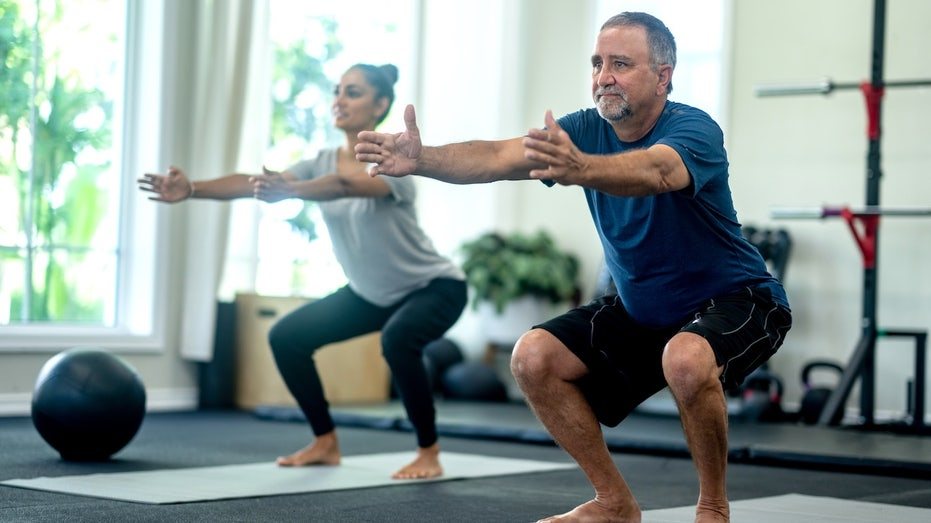
Wall sits held for several minutes may seem like a light workload, but a new study suggests that exactly this kind of exercise can noticeably lower resting blood pressure. The results were published in the journal BMJ Open Sport & Exercise Medicine. The study concerns isometric exercises, during which muscles contract but joints do not move.
The study involved 100 physically inactive adults with normal or high-normal blood pressure, that is, with a systolic reading between 120 and 140 millimeters of mercury. During the first four weeks, participants performed lower-body isometric wall sits at home three times a week. The program consisted of four two-minute sets, separated by two minutes of seated rest. Chest-strap heart rate monitors were used to monitor effort.
After four weeks, systolic pressure, the upper number, fell on average by about 9.5 points. Diastolic, or lower, pressure also decreased compared with the control group. The researchers separately examined what happens when the frequency of training is reduced. Over the following four weeks, participants were randomly assigned to groups that trained three, two, one, or zero times a week.
Those who stopped training entirely saw their blood pressure return to baseline within four weeks, effectively erasing the earlier progress. Participants who continued training once or twice a week retained a substantial part of the blood pressure reduction. Only the group that trained three times a week maintained the key improvements.
Aseem Malhotra, a cardiologist and metabolic health specialist at Ovadia Heart Health clinic in Florida, who was not involved in the study, called the work interesting. "This study shows that even one correct exercise session per week likely has a tangible cardiovascular benefit in the form of lower blood pressure," he told Fox News Digital. According to him, wall sits can be done at home for free.
Malhotra stressed that movement is only part of the picture. In his own practice, he regularly sees significant drops in blood pressure in patients who, through dietary changes alone, were able to stop taking medication. In his view, a low-carbohydrate Mediterranean diet is the most effective intervention not only for blood pressure but for all markers of metabolic health.
The researchers acknowledged the study's limitations. The sample was relatively small and consisted of generally healthy, non-smoking adults who were not taking blood pressure medication. The findings, they said, cannot automatically be extended to people with diagnosed hypertension, to older adults with limited mobility, or to patients already taking heart medication. In addition, the maintenance phase lasted only four weeks, so longer studies are needed to test whether once-weekly training can sustain the result for months or years. Because the intervention involved physical activity, both participants and researchers knew which experimental group each person belonged to.
5