3 minSociety
US reportedly loses measles elimination status after 26 years
The United States has reportedly lost its measles elimination status, held since 2000, as nationwide case counts climb sharply in 2026 according to a Pan American Health Organization determination.
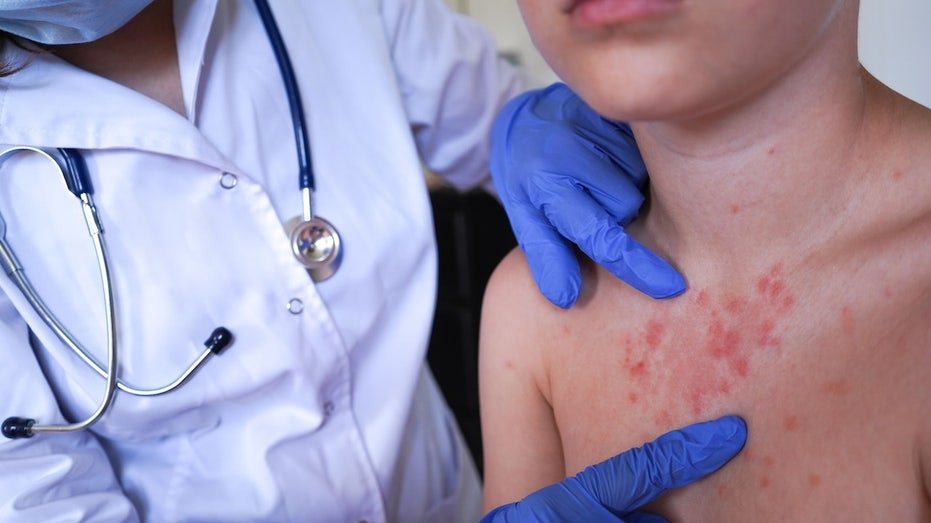
The United States has reportedly lost its measles elimination status, a designation it had held since 2000, after the virus continued to spread domestically for at least 12 months. The Wall Street Journal first reported the decision on Friday, citing unnamed sources, and KFF Health News separately reported it, citing researchers. The determination was made by the Pan American Health Organization, which had planned a public announcement on Tuesday, November 17.
Losing elimination status means that measles transmission has been continuous for at least a year within the country. Isolated cases and short outbreaks do not forfeit the designation on their own, which makes the finding significant: it indicates that the virus has been circulating in communities without being fully contained. Experts quoted in the reporting said the loss of status reflects domestic spread, not only cases linked to travel abroad.
The PAHO verification commission met from November 10 to 13 in Washington, D.C., to review the situation. According to the U.S. Centers for Disease Control and Prevention, there were 5,412 confirmed measles cases in 2026 through November 12. That figure compares with a total of 2,289 cases recorded across 2025, showing a sharp rise in the current year.
Measles is among the most contagious viruses known. It spreads to as many as nine in 10 susceptible people who are close contacts of an infected person, and it can linger in the air for up to two hours after an infected person has left a space. The disease can cause serious complications, including pneumonia, inflammation of the brain, neurological damage and death.
Vaccination remains the main protection. Two doses of the measles, mumps and rubella (MMR) vaccine are about 97 percent effective. The CDC recommends a first dose at 12 to 15 months of age and a second dose at four to six years. Most unvaccinated adults need one MMR dose, and some need two. Infants too young to be vaccinated and people with weakened immune systems remain especially vulnerable.
Public health figures have called for action in response. Dr. Siegel urged the establishment of vaccine clinics in communities where vaccination uptake is low, while the American Academy of Family Physicians called for greater support for state and local health departments. Fox News Digital has reached out to PAHO and the U.S. Department of Health and Human Services for comment and was awaiting a response at the time of reporting.
Source: foxnews.com
47