5 minSociety
Travel Scams Grow More Sophisticated With AI, Experts Warn
Scammers are using artificial intelligence and stolen data to make fake travel websites and messages harder to detect, according to fraud experts. The FTC reported $3.5 billion in impostor scam losses last year, and travelers are advised to verify directly with hotels and airlines.
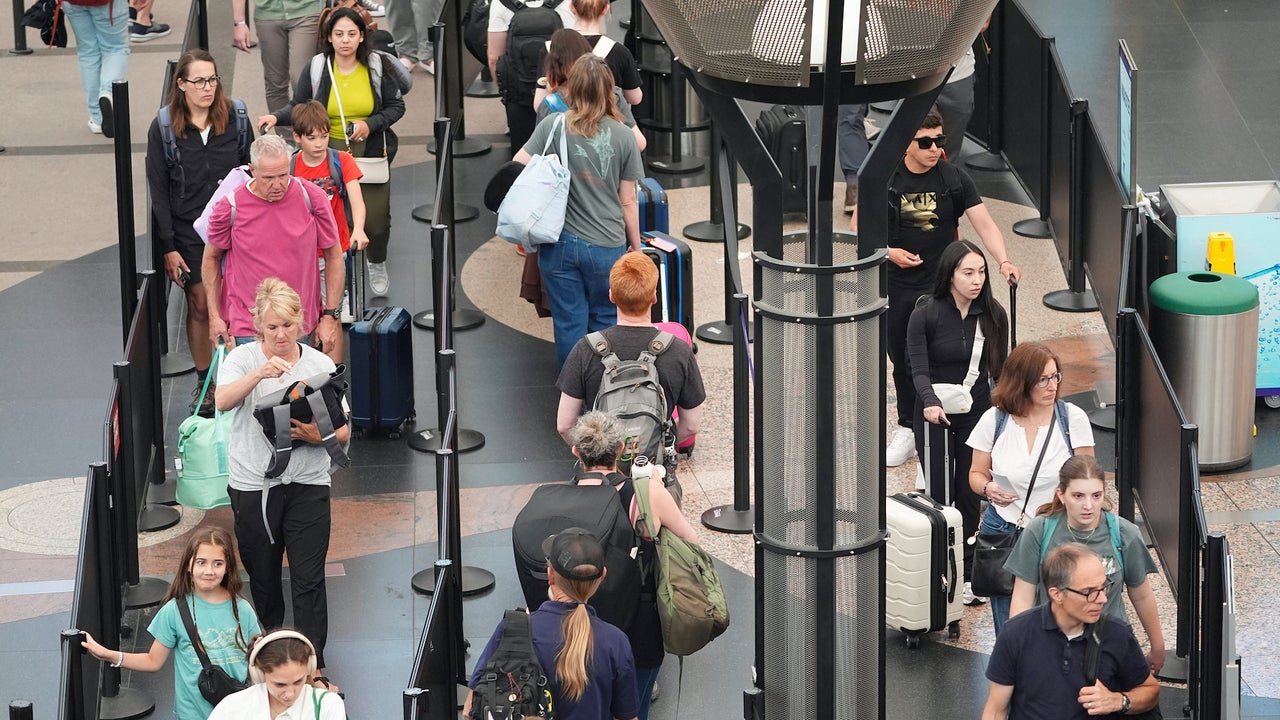
Travel scams are becoming more sophisticated as scammers deploy artificial intelligence tools to create convincing fake websites and exploit stolen data, according to fraud experts. The shift marks a departure from the days when pickpocketing was the primary concern for vacationers. «What used to look like a fake website now becomes much harder to spot by consumers,» said Florent Silve, an executive at Engine, a corporate travel management platform.
The stakes are high. A Federal Trade Commission report published in June found that Americans reported losing $3.5 billion last year to scams in which impostors contacted them through text, email, phone, social media, and search engines. While those losses were not all travel-related, nearly one in three fraud reports involved impostor scams, making it the most reported fraud category.
Travel scams can begin long before a trip starts. Scammers often pose as hotels or airlines, exploiting the fact that travelers expect to receive communications from those companies. «In the past, people were like, ‘Oh if I receive a scam that is completely out of place, that’s how I know it’s a scam.’ But now, the most dangerous scams don’t look suspicious; they look expected,» said Iskander Sanchez-Rola, a scam expert for the cybersecurity company Norton.
One increasingly common tactic is reservation hijacking. In this scheme, impostors send an email or text pretending to be a hotel, claiming something went wrong—such as a failed payment—and urging immediate action. Scammers often target hotel systems by phishing staff to obtain login credentials, then use legitimate reservation details to make their messages appear authentic. «The main thing is that this isn’t a fake booking confirmation, it’s a real reservation that is weaponized against you,» Sanchez-Rola said.
To avoid falling victim, experts recommend never rushing to pay through a link in an unexpected message. Instead, call the hotel directly using the number listed on its official website—not the number provided in the suspicious email or text.
Another popular scam involves fake flight cancellation notifications. Scammers send urgent messages claiming a flight has been canceled or delayed, then offer to help rebook for an additional fee. «You’re going to a place, and one day before that happens, they tell you that the flight was canceled,» Sanchez-Rola said. «So in that moment, there is an inherent urgency.» Travelers who receive such a message should verify the information directly through the airline’s official portal or the third-party booking service they originally used. Clicking links in unsolicited texts is strongly discouraged.
Social media can also expose travelers to risk. Posting photos of plane tickets or other travel documents—even with flight numbers obscured by emojis—can reveal more than intended. «The QR codes or the barcodes that are there include a lot of information,» Sanchez-Rola said. «Sometimes they even include information about returning flights.»
QR codes, now ubiquitous for restaurant payments, have become another vector for fraud. Scammers paste a fraudulent code over a legitimate one, directing customers to a fake payment system. «You may be sitting at a coffee shop and have a real QR code with a fake one that’s a sticker laid right on top,» said Alissa Abdullah, Mastercard’s deputy chief security officer. If a payment page seems suspicious or a sticker is visible, Abdullah advises speaking with staff and using cash or a credit card instead.
Public Wi-Fi networks also pose cybersecurity risks. «Sometimes cyber criminals will create a network that looks close to the name of a legit network to dupe you into logging onto their network,» said Brian Cute, chief executive officer and director of the capacity and resilience program at the Global Cyber Alliance, a nonprofit focused on reducing cyber risk. Once connected, scammers can steal personal information, damage devices, or gain remote access. Cute recommends limiting public Wi-Fi use to basic searches, such as directions to a hotel, and avoiding sensitive sites like banking or email.
As travel rebounds and scammers refine their methods, experts say vigilance and direct verification are the best defenses. Travelers should treat unexpected urgent messages with skepticism, confirm details through official channels, and think twice before sharing travel documents online.
66