3 minSociety
Son says father's medically assisted death in Canada went too far
Eric Edmeades, founder of Speaker Nation, says his father's assisted death in Canada was approved on an accelerated timeline, and he is calling for independent oversight of the country's MAiD program.
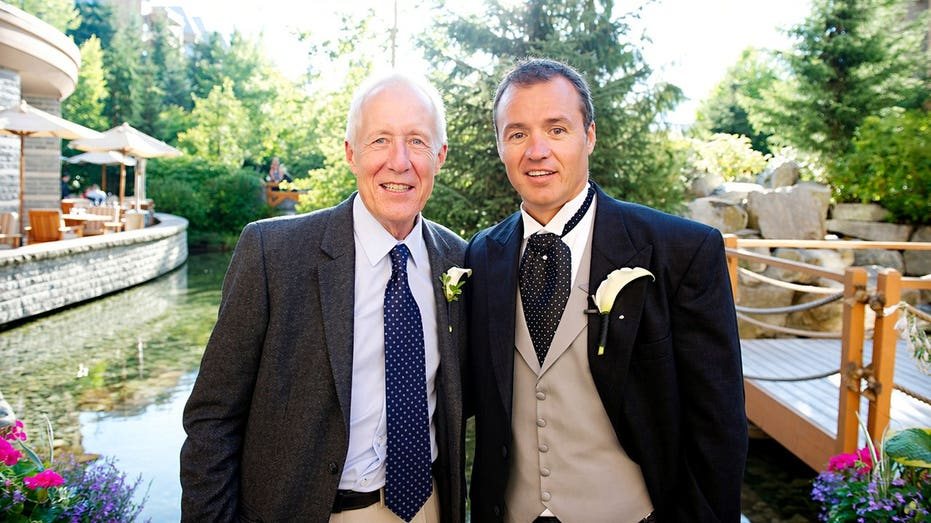
Eric Edmeades, founder of Speaker Nation, says Canada's medical assistance in dying program has gone "way past appropriate" after his father, known as Baz, died through the process on February 27, 2024. Edmeades has described the case publicly as a warning about how the program is administered and who oversees it.
According to Edmeades, his father was in his late 70s and lived with epilepsy and neurological pain. The family was concerned about the medications he was taking. Edmeades said his father's health and independence declined sharply during the COVID-19 lockdowns, a period in which many older Canadians experienced isolation and reduced access to care.
The family initially expected the assessment process to take at least six months. Edmeades said the timeline changed suddenly in early 2024, when it was moved up to "next week." He said he was not in contact with the medical providers involved during the process, and that his brother opposed the decision. Edmeades also said a friend of his father spent about 45 minutes discussing the choice with him before the death.
Edmeades has called for oversight of MAiD that is independent of government and free of financial incentives. His account raises questions about how quickly the process can move once it begins, and about whether family members are sufficiently involved in decisions affecting a relative's life.
Canadian law sets out the basic conditions for eligibility. An applicant must be 18 or older, have a serious and incurable condition, make a voluntary request, and give informed consent. The federal Department of Justice says two independent assessments are required, with a minimum waiting period of 90 days. That period can be shortened in cases where a person is at imminent risk of losing the capacity to consent. Provinces and territories oversee the administration of the program and may add their own safeguards.
The debate comes as the program's scope is under review at the federal level. The government announced Bill C-41 on October 27, 2026. The bill would allow advance requests for MAiD and would bar the procedure solely on the basis of mental illness. Medical assistance in dying accounts for about one in 20 Canadian deaths, according to the BBC. A study linked to the Canadian Medical Association Journal has claimed the program could produce annual savings of between $34.7 million and $136.8 million, a figure that critics of the program have seized on when arguing that cost considerations should be kept out of end-of-life decisions.
Source: foxnews.com
4