3 minSociety
Lonnie Thompson, glaciologist who documented climate warming from ice cores, dies at 78
Lonnie Thompson, the ice core researcher whose work on mountain glaciers helped document human-caused climate warming, has died at 78.
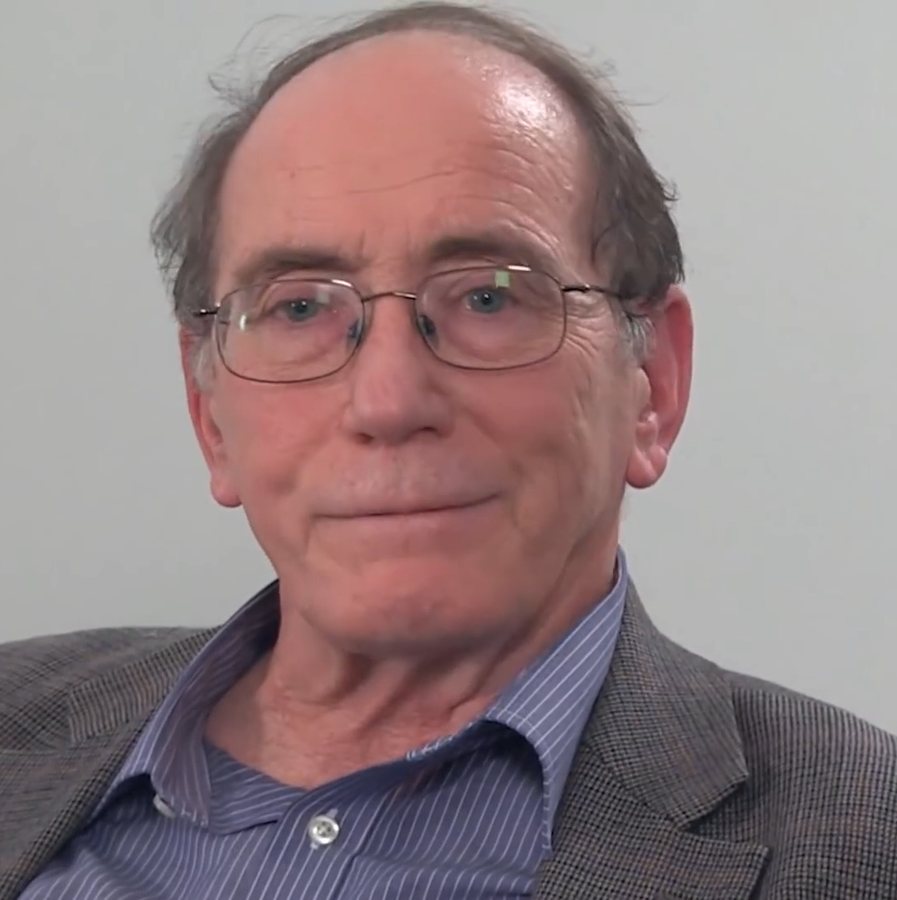
Lonnie Thompson, a glaciologist whose ice core research on mountain glaciers helped document human-caused climate warming, has died at the age of 78, according to a New York Times obituary published on November 6, 2026.
Thompson spent much of his career drilling into high-altitude ice fields to extract cores, cylindrical samples whose layers record atmospheric conditions over long periods. The cores he and his colleagues collected were used to reconstruct past climate and to show that the changes now underway are unusual in their pace and direction. His observations of shrinking glaciers became part of the body of evidence linking retreating ice to rising global temperatures.
The fieldwork was physically demanding and often dangerous. Thompson worked on steep, high-altitude glaciers where avalanches posed a constant threat, and his expeditions required him to read terrain closely and move quickly to avoid falling snow and ice. The obituary treats that risk as part of how the scientific record was gathered in the first place.
The material available for this report does not provide the names of his survivors, his institutional affiliations, the specific expeditions he led, the locations of individual drilling sites, or direct quotations from colleagues. Those details are not confirmed in the supplied notes and have not been added.
What the notes do establish is the broader significance of his work. Ice cores allowed researchers to look backward in time, beyond the reach of instrumental weather records, and to compare the present with conditions recorded in ice that formed centuries or millennia ago. By placing modern glacier retreat against that longer baseline, the research helped show that the warming seen in recent decades is not a natural fluctuation within the normal range of the past.
His death is a loss to the field of paleoclimatology, the study of past climates, and to the scientists who relied on the cores and observations he helped gather. The obituary marks his passing at 78 and places his legacy in the documentation of a changing climate rather than in any single discovery.
Source: nytimes.com
4