5 minSociety
Rising Veterinary Costs Strain Pet Owners as Corporate Ownership Grows
Veterinary prices have risen about 67% since 2017, far outpacing overall consumer inflation, as corporate and private equity ownership of clinics expands. Some pet owners take on debt or delay care, while low-cost clinics see growing demand.
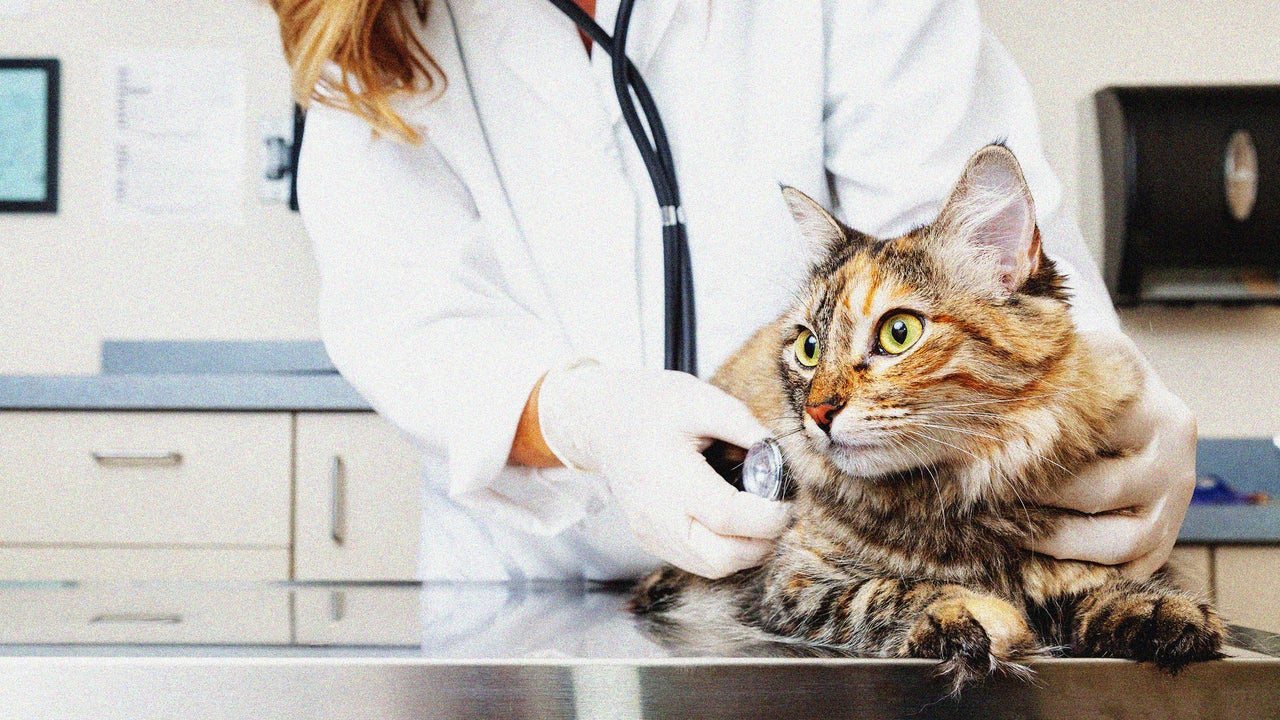
Veterinary care in the United States has become markedly more sophisticated in recent years, and markedly more expensive. Prices for veterinary services have climbed about 67% since 2017, according to the Bureau of Labor Statistics, far outpacing the roughly 38% rise in overall consumer prices over the same period. The trend is forcing pet owners to make difficult choices about treatment, debt, and even whether they can keep their animals.
The case of Justin Laudadio illustrates the stakes. In 2024, he found his 12-year-old diabetic cat, Chicken, apparently seizing on the floor of his Feasterville, Pennsylvania, home. Veterinarians stabilized the animal during a three-day hospital stay and diagnosed a hormonal disorder called acromegaly, caused by a benign pituitary tumor. The bill reached $9,500 before additional testing that would add thousands more. Laudadio and his wife agreed to pay it before they knew whether Chicken would survive. «You do what you have to do,» he said.
Chicken, who has his own cardiologist, benefited from technology once found only in human hospitals, such as MRI and ultrasound. Jennifer Quammen, president of the American Veterinary Medical Association, said that equipment «certainly comes with a cost.» Higher operating expenses, pharmaceutical prices, and general inflation are also driving up bills, she said.
The industry’s ownership structure has shifted as well. For most of its history, veterinary practices were small and independently owned. Today, corporate and private equity-backed groups own about 30% of the sector, up from 11% in 2017, according to Brakke Consulting. Among specialty and emergency clinics, the figure is 75% to 80%. Large players include Mars Veterinary Health, controlled by the family behind Mars candy, and National Veterinary Associates, owned by investment firm JAB Holding Co., which operates more than 1,000 hospitals in the U.S. and Canada. Many retain their original local names, making corporate ownership less obvious.
Investors are drawn to veterinary care because the market is fragmented and easy to consolidate, and because pet owners typically pay out of pocket rather than through insurers with power to contest prices. Demand is strong: owners who can afford recommended care for an animal they consider family will pay for it. A recent investigation by the U.K.’s Competition and Markets Authority found that five large veterinary groups there charged on average about 18% more than independent practices. It is not clear whether U.S. corporate-backed practices uniformly charge more.
U.S. regulators have moved to limit consolidation. During the Biden administration, the Federal Trade Commission required JAB to divest several specialty clinics as a condition of acquisitions, saying the move would prevent the firm from «gobbling up competitors in regional markets that are already concentrated.»
The consequences of higher prices vary widely. Some owners can afford human-level care. Others take on debt, forgo treatment, or surrender or euthanize their animals. Donald Consla, a veterinarian at Animal Friends, a Pittsburgh shelter with a low-cost clinic, said «the biggest struggle in access to care is certainly the cost of it.» His clinic has seen growing demand for affordable vaccinations and wellness exams, and he has encountered estimates from other veterinarians that he called «truly wild.»
Owners appear to be adjusting. Veterinary visits have declined over the past year even as industry revenues rose, according to the veterinary association. «We are seeing people delay routine care, preventive care,» Quammen said.
Research by Lauren Powell, an assistant professor of animal welfare and behavior at the University of Pennsylvania’s School of Veterinary Medicine, suggests low-income people report strong attachment to their animals, sometimes stronger than other income groups. As a result, they «will do everything they can within their means sometimes to try and find ways to access veterinary care,» she said. Sometimes they exceed their means.
9