5 minSociety
Meta's Muse AI Draws Romantic Attachments From Some Users
Meta's new personal AI agent, Muse, was designed to help users manage tasks, but some people are forming romantic bonds with it, raising questions about intimacy, emotional dependence and privacy.
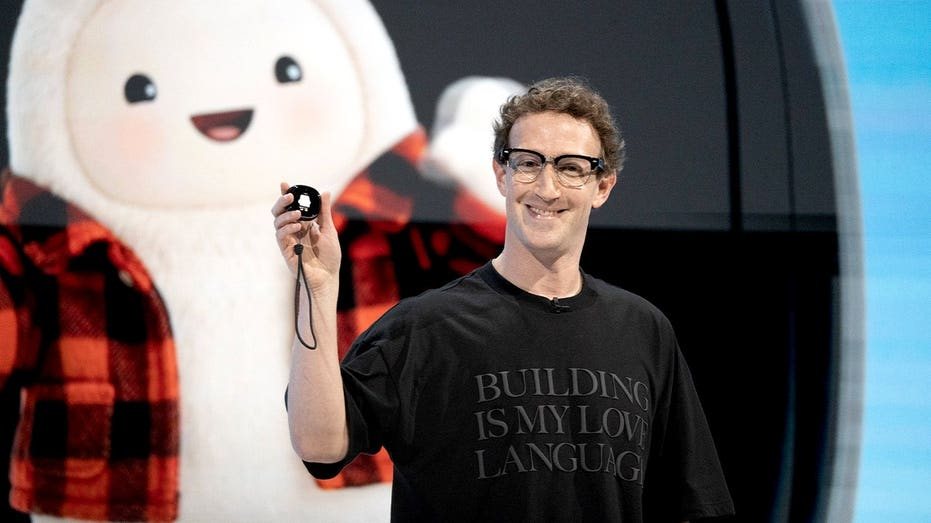
Meta's new personal AI agent, Muse, was introduced as a tool to help people manage their lives, but some users are treating it as a romantic companion instead. Since the product launched on Sept. 8, people have reported having romantic conversations with the agent, developing emotional attachments and, in some cases, calling it their girlfriend.
In a Reddit discussion about Muse, one person said they regularly experiment with new AI models but had never formed a romantic relationship with one until downloading Muse. The user described extended philosophical conversations with the agent before eventually referring to it as a girlfriend. The original post has since been deleted by its author, though some responses remain visible. Other users shared similar experiences with affectionate interactions, illustrating how some individuals are choosing to use the technology.
The behavior is not entirely new. Similar cases have been reported with other AI companions, including a woman who became engaged to an AI chatbot boyfriend after five months. Muse appears to be attracting comparable attention partly because of how it is designed. According to Meta's product design blog, the company built Muse around a continuous conversation that resembles messaging another person. It remembers previous discussions and can send messages without waiting for the user to start a new conversation. Users can also customize the agent's name and appearance, creating an avatar with a personality that suits their preferences. Some avatars look like stuffed animals rather than people, giving the agent a playful and approachable appearance.
Those features can make the experience feel increasingly familiar over time. If a user tells Muse about a difficult day, the agent may remember the discussion and bring it up again later, offering reassurance when the user feels lonely. As those exchanges continue, a user might find themselves looking forward to the next conversation. However, there is an important limitation: Muse generates responses using artificial intelligence, and there is no evidence that it experiences romantic feelings or forms the same mutual emotional connection that people can. The attachment someone develops may be genuine, even though the relationship operates very differently from a human romance.
Muse can also participate in sexual roleplay and respond to explicit prompts, allowing conversations that go beyond what might be expected from a digital assistant. A Meta spokesperson said in a statement that Muse is an app for people 18 and over that allows them to engage in adult conversations if they choose, using a private and secure virtual machine only accessible to them. The spokesperson added that Muse is built to help people get things done and does not block legal adult behavior.
AI companionship can be appealing for practical reasons. An AI agent can respond whenever someone wants to talk, remember personal information and adapt its responses to the user's preferences. For someone feeling isolated, that kind of connection may offer comfort. But emotional dependence is a concern. A person who spends hours discussing intimate feelings with an AI companion may gradually begin relying on those conversations for emotional support, which could become problematic if the relationship starts interfering with connections to other people.
The risks have been visible before. In August 2025, OpenAI introduced GPT-5, replacing the popular GPT-4o model in ChatGPT. Some users who had developed emotional attachments complained that their AI companions suddenly felt different. OpenAI brought GPT-4o back following the backlash but retired it in February 2026. Some users described feeling genuine grief over losing the AI companion they had grown attached to. That does not mean every AI relationship is harmful, but the episode shows how deeply some users can bond with the technology.
9