4 minSociety
Kentucky farmers reject $26 million as data center plan advances around them
Ida Huddleston and Delsia Bare kept 534 acres of family farmland, while Mason County approved industrial zoning for roughly 2,080 acres nearby.
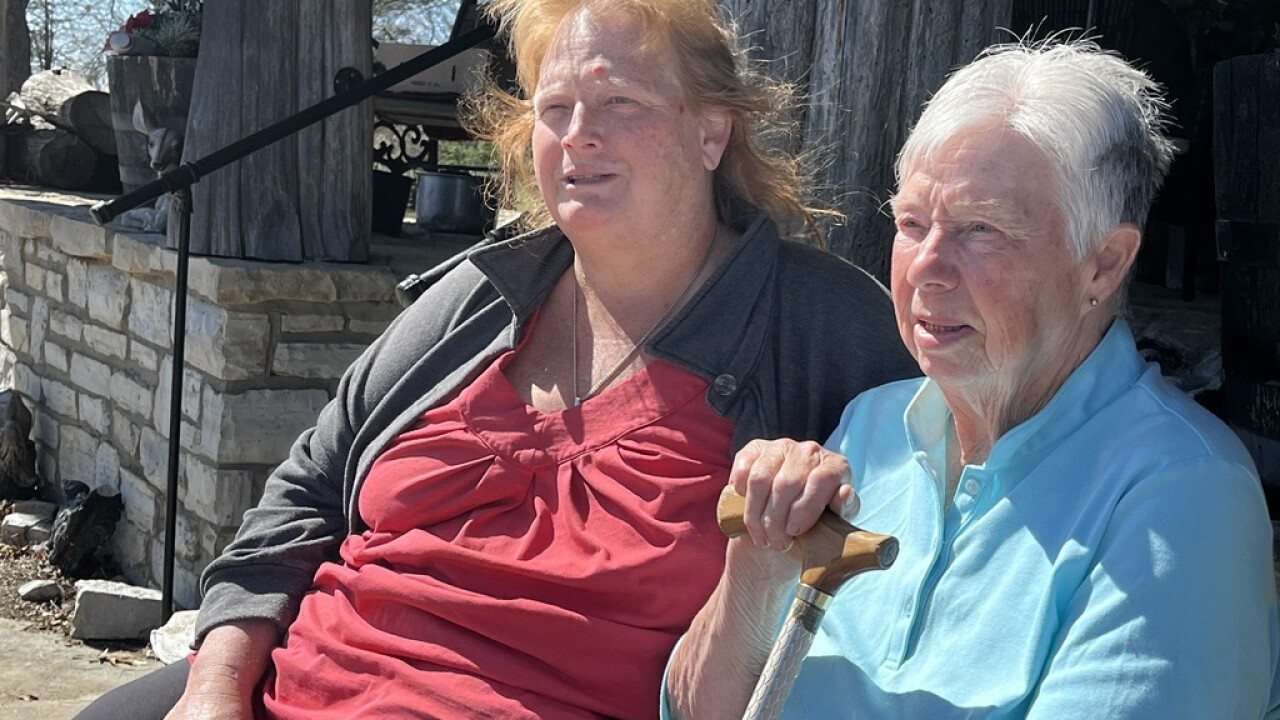
MAYSVILLE, Ky. — Ida Huddleston and her daughter Delsia Bare have rejected land offers worth more than $26 million from interests tied to a proposed data center in Mason County, choosing to keep 534 acres of family farmland even as the larger project continues to advance.
Huddleston, 82, was offered $60,000 per acre for her 71-acre property, according to LEX 18. Bare was offered $48,000 per acre for 463 acres. The combined value of those published offers is more than $26 million.
The women did not reject the deal immediately. PEOPLE reported that they initially signed a contract after becoming concerned that the property might eventually be taken through eminent domain. The family had previous experience losing land to public projects. After consulting an attorney, they learned that the private data center developer could not simply compel them to sell and moved to withdraw from the transaction.
Their broader family farm covers about 1,200 acres outside Maysville. PEOPLE reports that portions of the property have been tied to the family for more than two centuries. The farm is used for livestock, and Bare has described family stories of growing wheat during the Great Depression. Her late husband is buried on the property.
Huddleston has framed the decision in agricultural terms. In a July PEOPLE interview, she said, “You can't get food out of a data center.” She and Bare have expressed concerns about farmland conversion, water, electricity and pollution. Those statements document the family's fears; they do not establish that the unbuilt facility has already caused environmental harm.
Mason County officials have taken a different view of the potential tradeoff. The county's Fiscal Court on May 22 approved rezoning 28 properties totaling about 2,080 acres for rural industrial use connected to the proposed hyperscale development. Local economic-development officials have said the project could create roughly 400 full-time jobs and more than 1,500 construction jobs. Officials have also said the developer would fund the necessary road, water, sewer and electrical infrastructure.
The company behind the project remained publicly undisclosed in July. That secrecy has been one of the objections raised by residents. We Are Mason County has pursued legal challenges to the approval process, and Huddleston and Bare have joined opposition efforts.
The project is therefore further along than many social-media summaries of the family's refusal imply. Their decision kept their specific parcels out of the sale, but it did not stop the county from approving a large neighboring industrial footprint. The undisclosed company still has the final decision on whether to proceed with construction.
The environmental questions will also depend on project details. The U.S. Department of Energy notes that data-center water use varies considerably by cooling system. Facilities that rely on cooling towers consume water through evaporation, while other cooling strategies can reduce that demand. The exact design and operational profile matter.
For Mason County, the conflict now sits at the intersection of private property, local zoning and economic development. Huddleston and Bare have made their property choice. County officials have made a zoning choice. The unresolved questions are whether the developer commits to the site and whether the legal challenge alters the approvals that would place a hyperscale data center beside land the family refused to sell at any price offered so far.
58