3 minSociety
FDA panel backs Galleri blood test for detecting over 50 cancers
An FDA advisory panel voted in favor of approving GRAIL's Galleri blood test, which claims to detect more than 50 cancers before symptoms appear, though its accuracy and effect on cancer deaths remain unproven.
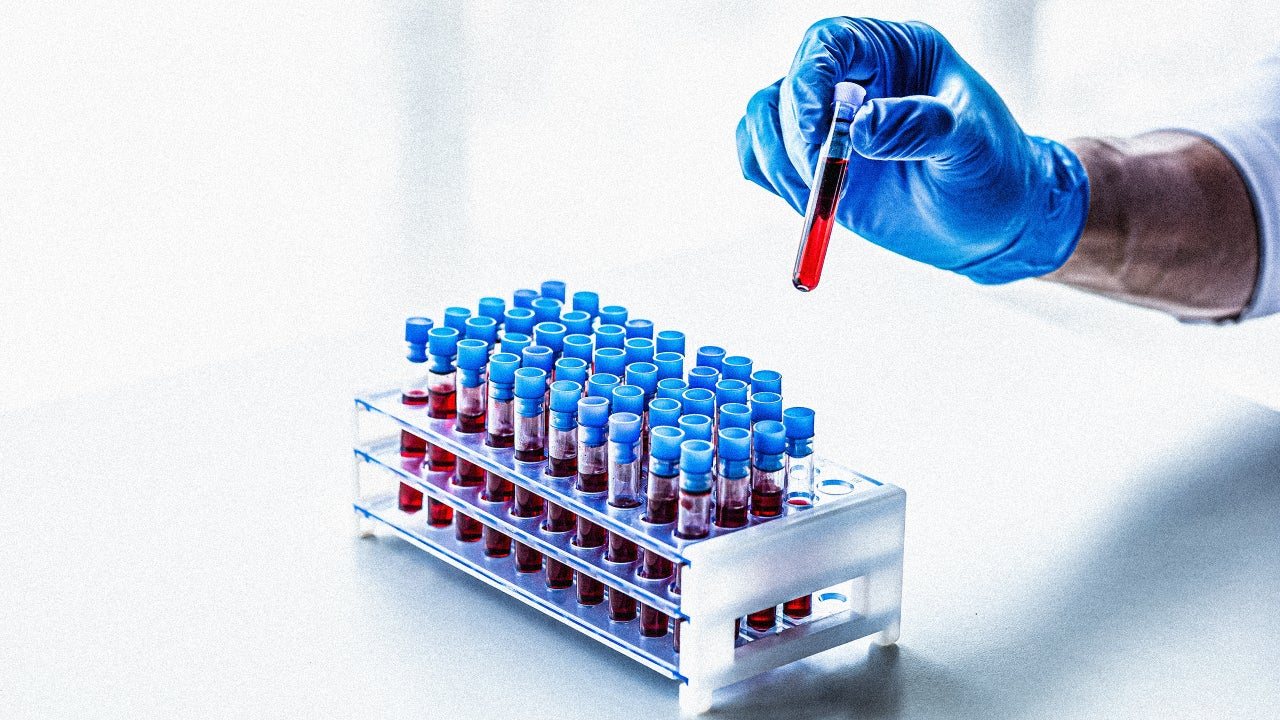
An advisory panel to the U.S. Food and Drug Administration voted in favor of approving Galleri, a blood test developed by the biotech firm GRAIL that claims to detect more than 50 types of cancer before symptoms appear. The vote, held on September 23, 2026, does not amount to full FDA approval, and the agency has not announced when it will reach a final decision.
Galleri analyzes cell-free DNA in the blood, looking for methylation markers that can signal the presence of cancer. The test does not diagnose cancer. A positive result requires further medical workup to determine whether a tumor is actually present. According to the company's data, the test covers 12 cancers that together account for roughly two-thirds of cancer deaths in the United States, and in most cases it can identify the organ where a suspected tumor is located.
The panel's votes were mixed. Members voted 10-0 on whether the test is safe, 6-4 on whether it is effective, and 7-2 with one abstention on whether its benefits outweigh its risks. Several panelists asked that the word « early » be removed from the product label, reflecting doubts about how well the test performs at the earliest stages of disease.
The trial data highlighted those doubts. Across three annual screenings, the test's overall sensitivity was below 31 percent, meaning it missed about 69 percent of cancers across all stages. Its early-stage detection rate over three years was about 21 percent. The positive predictive value across the three screens was 52 percent. On the other hand, the false positive rate was about 0.5 percent, compared with roughly 10 percent for stool-based screening tests, a figure that supporters point to as a key strength.
The trial also did not show a reduction in late-stage cancer incidence. A possible downward trend in stage 4 cancers appeared in the third year, but that finding has not been confirmed. There is currently no evidence that the test lowers the risk of dying from cancer.
Invasive follow-up procedures were needed for 0.6 percent of people who took the test, and no serious complications were reported from those procedures. The out-of-pocket cost for the test was reported at $949.
FDA approval would not guarantee insurance coverage. Medicare and Medicaid make coverage decisions separately, meaning the cost burden could remain with patients even if the agency signs off. GRAIL did not respond to requests for comment on the panel's vote or on the trial results.
Andrew Wolf, a professor emeritus at the University of Virginia, has cautioned that the test should not replace established screenings. He recommends that people continue with standard cancer screenings while the evidence on Galleri develops.
Source: fastcompany.com
20