An oppressive heat wave gripping Washington DC has driven a sharp increase in calls to emergency medical services, placing additional strain on first responders as the city gears up for large-scale events marking the nation's 250th anniversary. With temperatures expected to remain near 100 degrees Fahrenheit through the holiday weekend, medical workers are bracing for a continued influx of heat-related illnesses among residents and visitors alike.
The National Weather Service has issued excessive heat warnings for the region, warning that the combination of high temperatures and humidity could create dangerous conditions, particularly for vulnerable populations such as the elderly, young children, and those with preexisting health conditions. Emergency officials have reported a notable uptick in calls for heat exhaustion, heat stroke, and dehydration since the heat wave began earlier this week.
In response to the escalating crisis, the District of Columbia has activated its heat emergency plan, which includes opening cooling centers across the city, extending hours at public libraries and recreation centers, and distributing water to homeless individuals. Officials are urging residents to limit outdoor activity, stay hydrated, and check on neighbors who may be at risk. Despite these measures, the volume of emergency calls has continued to climb, raising concerns about the capacity of the city's emergency response system.
The extreme weather has also forced the cancellation or modification of several events planned for the July 4th weekend, which this year carries special significance as the nation celebrates its 250th birthday. On Friday, the Great American State Fair on the National Mall was suspended due to the heat, disappointing thousands of attendees who had gathered for the festivities. Organizers cited the health and safety of participants as the primary reason for the decision, noting that the combination of direct sun exposure and high temperatures made it unsafe to proceed.
Other planned celebrations, including concerts and fireworks displays, are proceeding but with enhanced medical support and additional water stations. The National Park Service has deployed extra personnel to monitor crowds and provide assistance to those showing signs of heat distress. Local hospitals have also activated surge protocols to handle the expected increase in patients seeking treatment for heat-related conditions.
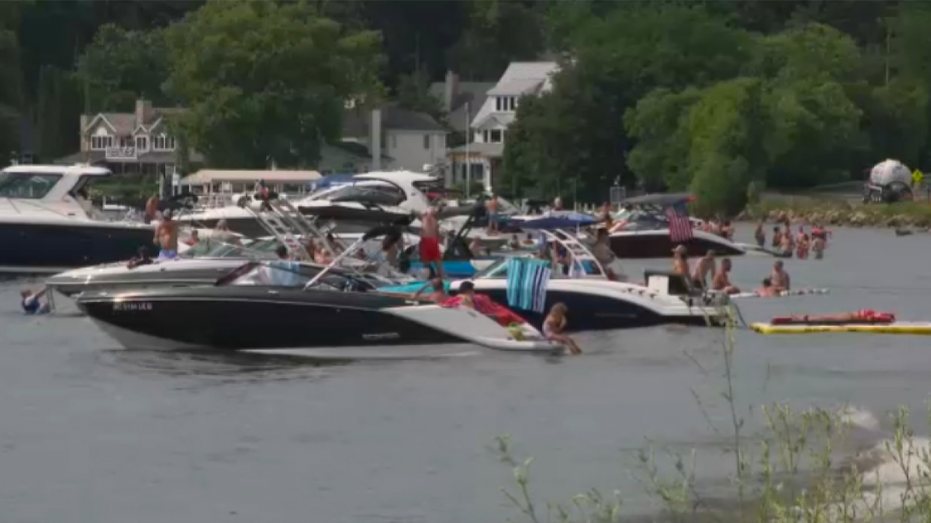
The heat wave is part of a broader pattern of extreme weather events affecting different parts of the country during the holiday weekend. In Wisconsin, a severe storm system swept through Walworth County on Friday, causing a boating tragedy on Geneva Lake where three people died after their vessel capsized. Emergency crews rescued seven others from the water, but three victims could not be saved. The Walworth County Sheriff's Office reported that the storm, which brought high winds and heavy rain, also downed power lines, damaged buildings, and left cars crushed. The county, which sees its population swell from 106,000 to over 200,000 during holiday weekends, faced unprecedented strain on law enforcement and emergency medical resources.
Back in Washington, the heat wave has prompted city officials to extend the hours of cooling centers through the weekend and to deploy additional mobile medical units to areas with high foot traffic. The District's Department of Health has issued guidance on recognizing the symptoms of heat-related illnesses, which include dizziness, nausea, confusion, and loss of consciousness. Residents are advised to call 911 immediately if they or someone nearby exhibits these signs.
The convergence of extreme heat and large public gatherings has highlighted the challenges faced by urban centers in managing climate-related risks. Public health experts note that heat waves are becoming more frequent and intense due to climate change, and cities must adapt their emergency planning accordingly. Washington DC's experience this weekend may serve as a case study for other municipalities preparing for similar events in the future.
As the nation celebrates its 250th anniversary, the focus in the capital has shifted from festivity to safety. Officials are emphasizing that the best way to honor the occasion is to take precautions against the heat and look out for one another. The coming days will test the resilience of the city's infrastructure and the dedication of its emergency responders, who are working around the clock to keep residents and visitors safe.