4 minSociety
Chinese Farmer’s Sesame Loss Exposes a Gap in AI Safety
A 67-year-old farmer reportedly lost seedlings across 150 mu after following pesticide guidance from an unnamed AI app he had come to trust over about a year.
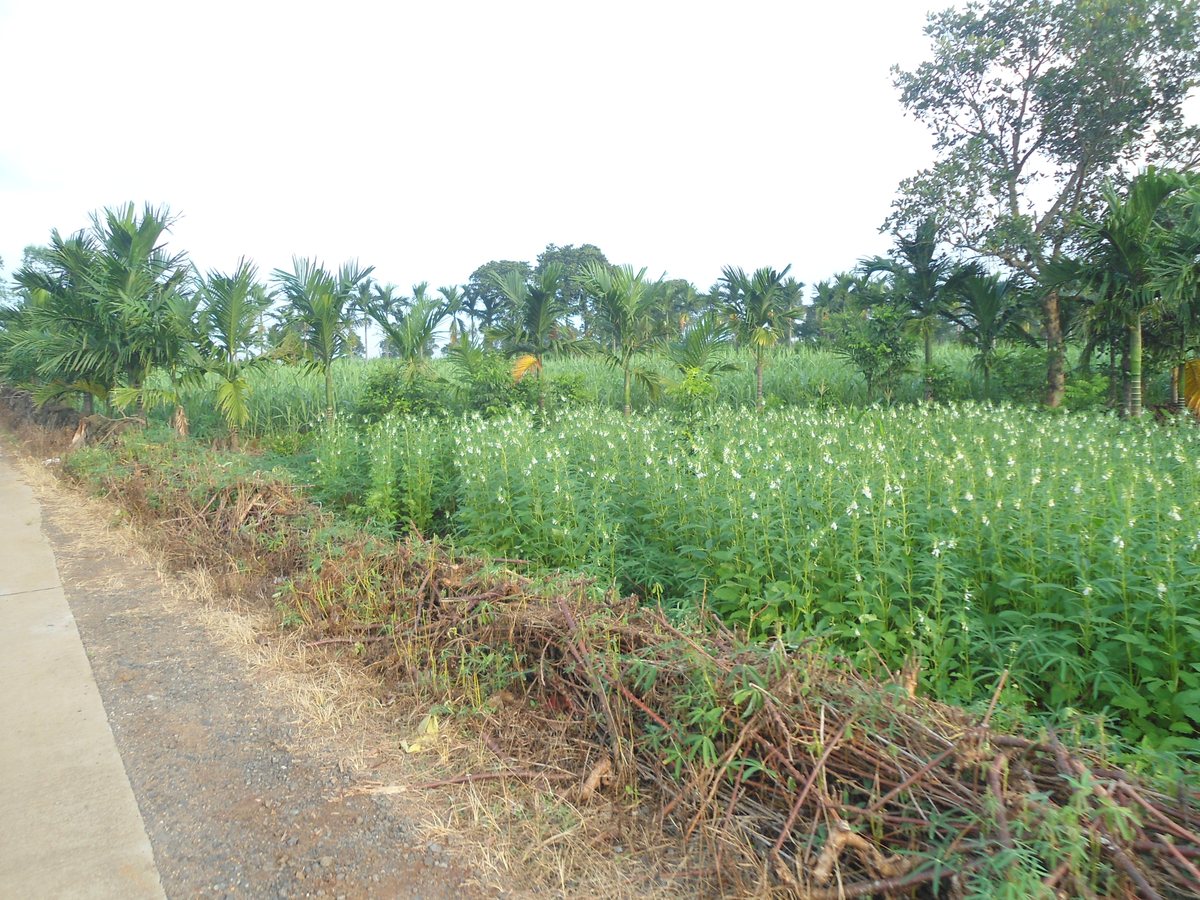
A Chinese farmer’s reliance on an AI assistant ended with sesame seedlings dying across roughly 25 acres, according to reports published this week, illustrating the practical risk of turning general-purpose chatbot output into instructions for chemical use.
The farmer, identified only by the surname Wu, is 67 and lives in Chuzhou, China. Taiwanese outlet CTWANT reported that he had used an unnamed AI application for about a year. Tom’s Hardware and The Economic Times subsequently carried the account. Wu reportedly used the service for questions about weather, fertilizer and pests and became more confident in its answers over time.
The incident began when he asked for help controlling weeds and pests in a sesame field. The AI generated a treatment plan combining several products. Wu applied the mixture over 150 mu of land, equivalent to about 10 hectares or 24.7 acres, without first confirming the recipe with an agricultural technician.
By the following morning, the reports said, sesame seedlings were dying along with the weeds.
One of the herbicides named in the coverage was fomesafen. China’s official pesticide-registration database lists fomesafen products for broadleaf weed control in designated crops such as soybeans and includes warnings about sensitivity in other crops. Agricultural specialists quoted in the original account linked the sesame injury to that component. Public reporting does not provide a documented financial valuation of the crop loss.
The name of the AI service has also not been disclosed in the available accounts. That limits what can be said about a specific company’s responsibility and makes the case better understood as a warning about the use of general AI systems for high-consequence technical decisions.
Wu reportedly had not always followed the tool without checking. His confidence increased after months of useful responses. The chat page also carried a general notice warning that AI-generated information might be incorrect and should be verified. The sequence is significant because it shows a familiar problem with safety notices: they can lose practical force as users accumulate positive experience with a system.
Agricultural chemical guidance requires more than a plausible description of what a product does. Crop species, growth stage, dose, formulation and application method can determine whether a treatment controls weeds or harms the crop. A peer-reviewed 2024 study in Henan Agricultural Sciences examining post-emergence broadleaf weed control in sesame found substantial differences in crop safety among tested herbicide treatments.
Chinese researchers have separately begun developing AI systems intended to incorporate those constraints directly. Xinhua reported in May that the Green Shield crop-protection model checks recommendations against the national pesticide-registration database. Its developers said general language models can return inaccurate or poorly standardized pesticide advice.
Wu’s field cannot be restored by correcting the chat after the fact. The relevant question now is whether AI products used for consequential tasks will move beyond general disclaimers and introduce stronger controls — including database checks, refusal to provide unsupported chemical recipes and clear escalation to qualified human professionals before an irreversible action is taken.
78