4 minSociety
Bringing Children to the Polls: A Lesson in Democracy
A longtime League of Women Voters staffer explains why she brings her children to vote, arguing that participation must be modeled, not just taught, so the next generation understands democracy belongs to them.
When voters head to the polls, most are focused on casting a ballot and moving on. But for one parent with nearly three decades at the League of Women Voters, the trip is also a lesson in citizenship. She brings her children—now 11 and 9 years old—with her every election, not just to watch her vote, but to see democracy as something people do, not just something they learn about in school.
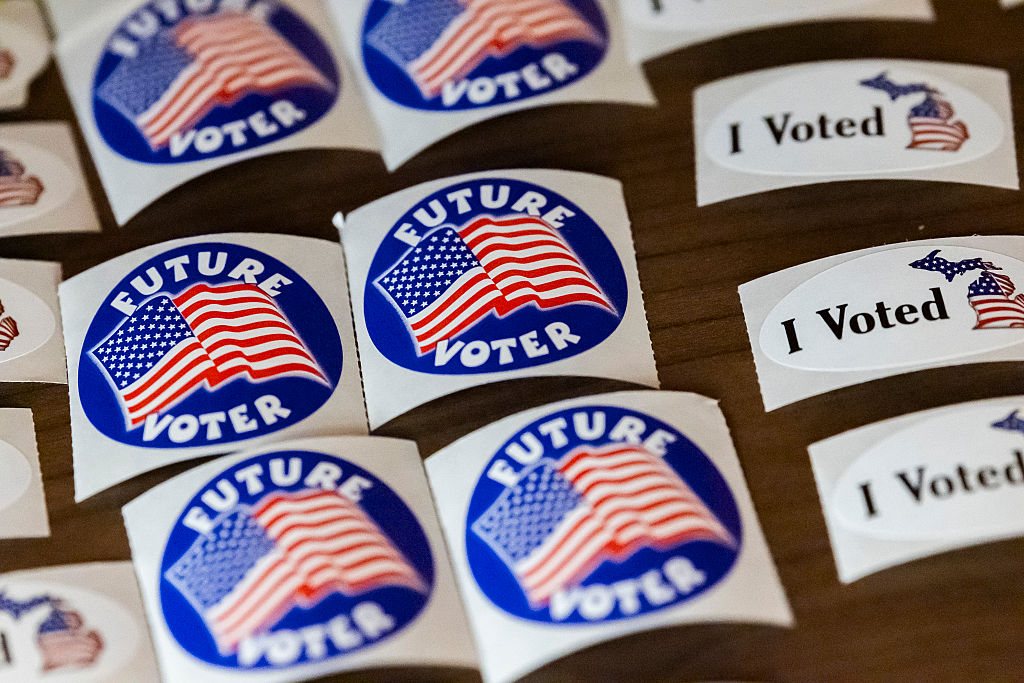
The children love getting their «future voter» stickers, though the oldest may be outgrowing the ritual. More importantly, they are old enough to understand that something important is happening and curious enough to ask questions. Their mother wants those questions. She wants them to see neighbors showing up at polling places, to watch her check in, receive a ballot, and make choices. In her view, that normalizes participation as a routine part of community life.
Her perspective is shaped by nearly 30 years at the League of Women Voters, where she has helped people understand how to shape democracy, participate in elections, and connect with elected leaders. Becoming a parent made that work feel even more personal. She notes that while her children cannot vote yet, the consequences of democratic decisions already affect nearly every part of their lives—from funding for schools, parks, playgrounds, and pools to the libraries and community resources available to them. Those decisions also determine the safety of bike lanes and roads used daily.
«The choices our elected leaders make today will shape the opportunities available to all our children tomorrow,» she writes. Kids do not vote for the officials meant to represent them, but that does not mean they should not understand how decisions are made—or how, one day, they can have a say in them.
That is why she brings her children not only to the polls but also to rallies and community meetings. In nearly three decades of work, she has seen how powerful it can be when people understand that democracy belongs to them. She has also seen why that understanding cannot be taken for granted.
Voting is important, but it is not the only answer. Democracy offers many ways to use one's voice: learning about issues, asking questions until satisfied with the answers, contacting elected officials, speaking up at school board or city council meetings, and organizing with others who care about the same things. When young people turn 18, they do not automatically know how to participate. It has to be taught—and, more importantly, modeled.
She is careful to distinguish modeling participation from telling children what to think or whom to vote for. She wants the opposite for her kids: that they grow into people who ask questions, seek reliable information, listen to others, and reach their own conclusions. When they eventually exchange their «future voter» stickers for «I voted» stickers, she hopes the experience feels both momentous and familiar. She hopes they know how to find reliable information, ask questions, and understand that they do not have to agree with her or anyone else on every issue.
Most of all, she hopes they understand the power of their voice and how to use it. Decisions being made today will have consequences children will live with tomorrow. Part of teaching kids about democracy, she argues, is reminding them that they do not have to be passive observers in their own lives. They can learn, participate, speak up, and eventually vote for the kind of world they want to live in, not one they were handed.
That is why she brings her children to the polls. There may be extra questions, and it may take a little longer to cast a ballot. But someday, these decisions will be theirs to make. She wants them to be ready to use their voices when it is their turn.
2