5 minSociety
After Gloria Steinem, a Push to Move Women From Entry Level to Leadership
Women hold nearly half of entry-level jobs in the U.S. but only 31% of senior leadership roles, and just 1.2% of venture capital went to all-female founding teams in 2025. As Gloria Steinem's generation passes the baton, advocates say confidence-building must start earlier.
Women have entered the American workforce in near parity with men, but they remain far from equal power in the rooms where decisions are made. Women hold 47% of entry-level jobs in the United States and earn nearly 60% of bachelor's degrees, yet they occupy just 31% of senior leadership positions, according to figures cited in a new reflection on the state of women's advancement. Of roughly $265 billion in U.S. venture capital invested in 2025, only 1.2% went to companies with all-female founding teams.
The gap is not a pipeline problem alone. It is a confidence problem that begins early, advocates say. Girls begin questioning their abilities at age 6, and by 14 their confidence has dropped 30%. Recruiters report that talented young women enter job interviews less likely to speak up and advocate for themselves, behaviors that can shape everything from a first job to lifetime earnings. The irony, according to research cited in the discussion, is that women outperform men on 17 of 19 leadership capabilities.
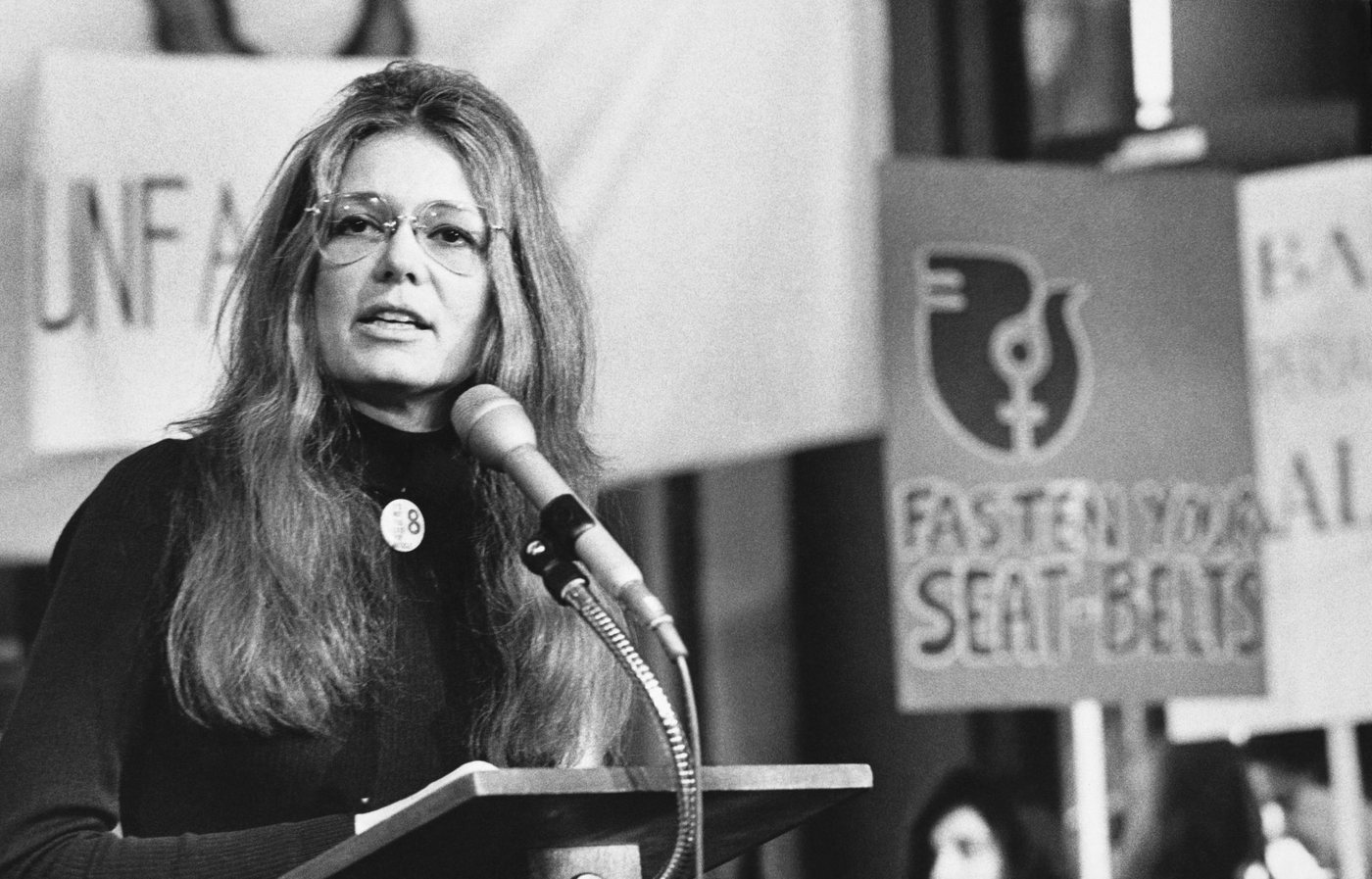
The conversation has taken on new urgency after the death of Gloria Steinem, the writer and organizer whose generation fought to open doors closed to women for decades. «We're at the end of an era of unprecedented progress for women,» said Lorraine Hariton, former CEO of Catalyst. «These are fragile times and we still have an unfinished agenda. It's time to pass the baton to a new generation.»
That baton is being passed into a workplace that is itself being rebuilt. The World Economic Forum estimates that global gender parity remains more than a century away, and the United States ranks 42nd globally, with significant gaps in economic and political leadership. AI is accelerating the reconstruction of entry-level jobs and traditional career ladders, and employers increasingly expect AI proficiency from new hires. If young women are not deliberately prepared for that economy, advocates warn, yesterday's progress can stall.
The view from the pipeline is personal for David Grinberg, an M&A attorney at Sidley Austin and the father of three daughters. When his 22-year-old daughter, Ily, started her career in wealth management in Chicago this summer, he was thrilled. He also noticed she was usually the only woman in the room. A couple of months into the job, she was asked to present part of a proposed wealth plan to a real client. She nailed it and received terrific feedback from her team.
Grinberg, who serves on the Los Angeles board of Girls With Impact and represents founders and family-owned businesses, many led by women, has watched extraordinarily successful female entrepreneurs build companies worth hundreds of millions of dollars and still encounter people who second-guess their judgment. He has seen how important it can be for women entering male-dominated fields to have other women around them as mentors, sounding boards and examples of what is possible. Asked what young women need most, he returned to one word: confidence.
«The younger someone can start learning skills, the sooner they will understand what they can accomplish and the better they will be,» he said. Confidence, he believes, comes from doing something successfully and realizing: I can do that. Then carrying that belief into the next challenge.
That is why the next chapter of women's advancement must start earlier, before the first interview and the first boardroom. Advocates argue for equipping girls with confidence, business skills, networks, financial knowledge and technological fluency while they are still in school. They call for opportunities to try, fail, succeed and discover that they can do hard things, and for classrooms where girls' ideas are taken seriously and workplaces where young women can see a path to leadership.
The stakes extend beyond representation. Who young women see leading helps shape what they believe is possible for themselves. «So often, you're influenced by what you see,» Grinberg said. Half the talent cannot remain a fraction of the leadership and capital if America expects to compete at its best.